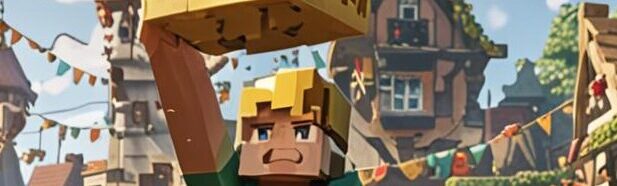
Founding myths are among the most revealing documents a society produces — they tell you exactly what that society considered worth celebrating, what origins they wanted to claim, and what values they wanted to install at the root of their identity. No origin story is accidental. That lens becomes fascinating when you apply it to a hero mid-legend, still assembling their myth in real time — because what our protagonist is living through right now, chasing down the final two villains with a crown literally keeping score, is essentially a condensed heroic origin cycle, the kind of narrative scaffolding you see in everything from the labors of Heracles to the Arthurian quest structure, where each trial isn’t just a plot beat but a credential, a stone laid in the foundation of who this person will be remembered as. The desert setting baked into this chapter’s title is no accident either — from the wandering of Moses to Gilgamesh’s grief-driven crossing of the scorched wilderness, sand has always been mythology’s favorite backdrop for the part of the journey where the hero is most lost and therefore closest to transformation. So let’s dig into what’s happening here, because under the surface of a buzzing crown and a very good piece of toast, there’s an ancient story architecture doing some serious structural work.
“It’s pointing southwest,” Biscuit said without looking up from her notebook. She had seven lists open simultaneously, which I know because she’d numbered them. “Specifically toward the Desert Sea. Specifically urgently.”
“How do you know it’s urgent?”
“It’s buzzing.” She finally looked up. “Also your hair is standing up even more than usual, and that only happens when something important is about to occur.”
I touched my head. She wasn’t wrong.
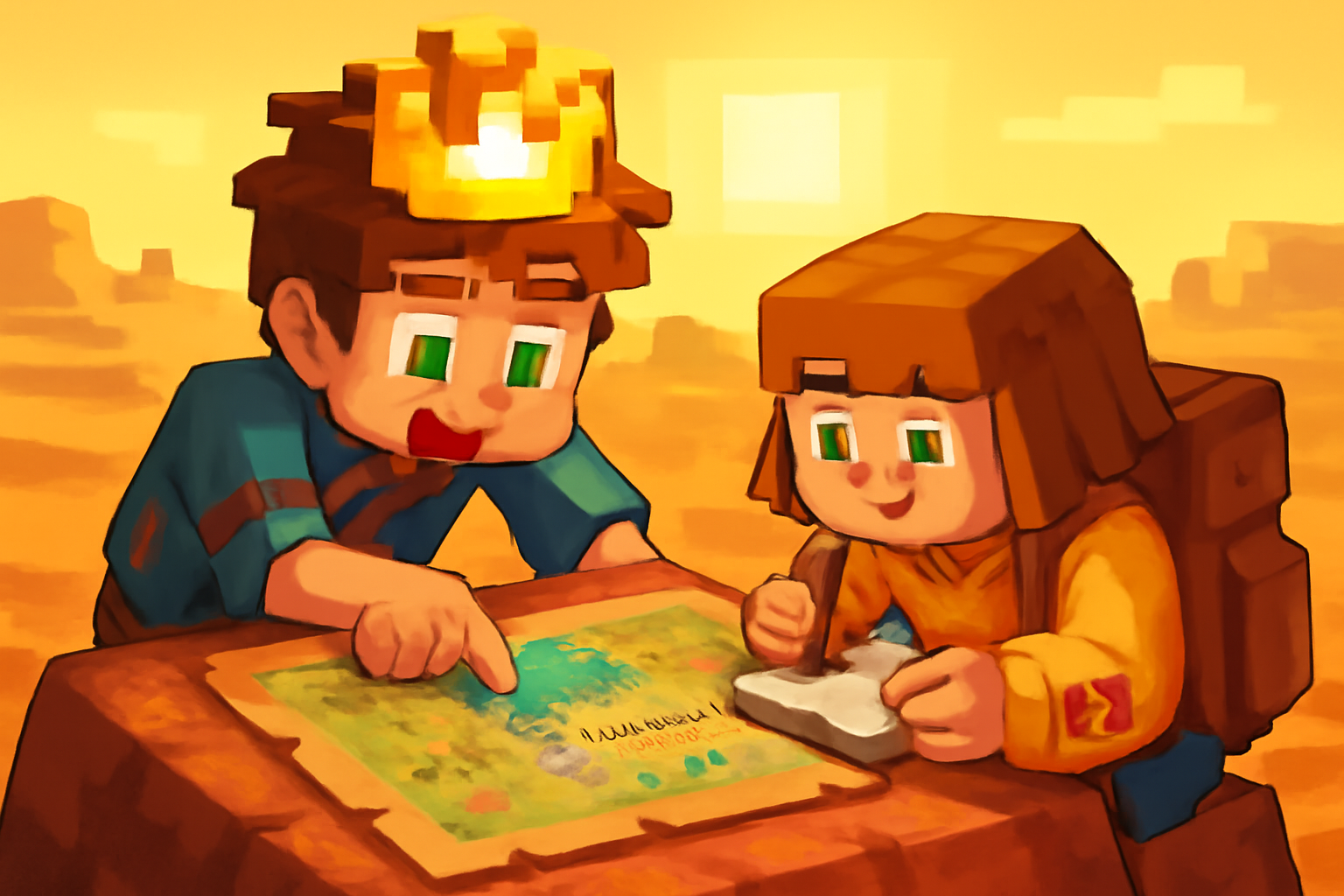
We packed up camp quickly. Biscuit had the Sunstone Map spread on a flat boulder, and even I could see the problem — the golden lines that traced the path across the Desert Sea were going faint at the edges, like ink left out in the rain. The Crystal Oasis glimmered at the map’s center, still bright, but the route to reach it was disappearing one sand dune at a time.
“How long do we have?” I asked.
Biscuit sniffed the map. “Smells like warm sandstone and something slightly panicked,” she said. “Maybe half a day before the path markings fade completely.”
I picked up my pack. Then I looked at Biscuit. Then — and this was the part that would have surprised the old me, the Chapter One me who fell into fountains and charged forward without a single thought in my head — I said, “What’s the plan?”
Biscuit stared at me for a full three seconds. Her mouth did something complicated.
“Did you just ask me for a plan before running toward something?”
“I might have.”
“Before falling into anything?”
“Nothing has come up to fall into yet.”
She pressed her lips together very firmly, but I could see her trying not to look absolutely delighted. She cleared her throat. “Right. Yes. I have four plans. Plan One involves the shade crystals shown on the map — we collect them along the route to stay cool and also to mark our path as we go. Plan Two involves—”
“Plan One sounds excellent,” I said. “Let’s do Plan One.”
Biscuit wrote Ollie asked for plan. Personal triumph. Note for records in her notebook and snapped it shut.
This post contains affiliate links. As an Amazon Associate, I earn from qualifying purchases at no extra cost to you. If this chapter’s chaos of sand and zero useful directions gave you serious survival vibes, you NEED to check out Forbidden Desert. It’s a cooperative board game where you and your crew are stranded in a shifting desert, racing against a sandstorm that literally buries the board as you play. No one wins alone — which honestly feels very on-brand for every mythology hero who ever ignored good advice and ended up neck-deep in sand.