Iconography and symbolism are where mythology gets genuinely dense — every object, animal, color, and gesture carries accumulated meaning that can take years to fully unpack. That layering is exactly what I find most compelling about diving deep into any mythological tradition. Purple, for instance, is never just a color in legendary and historical traditions — it’s royalty, it’s the divine, it’s the uncanny threshold between the mortal and the otherworldly, a shade so costly and rare in the ancient world that its appearance alone signaled that something significant was at work. So when we encounter a villain in an epic narrative who leaves behind perfectly ordered purple footprints, that’s not a quirky visual detail — that’s a deliberate symbolic vocabulary being spoken fluently, one that draws on millennia of mythological association between chromatic identity and cosmic authority. The organizational precision here matters just as much as the color, because across countless legendary traditions, chaos belongs to mortals and order belongs to forces far older and far more dangerous.
“Biscuit,” I said. “Come look at this.”
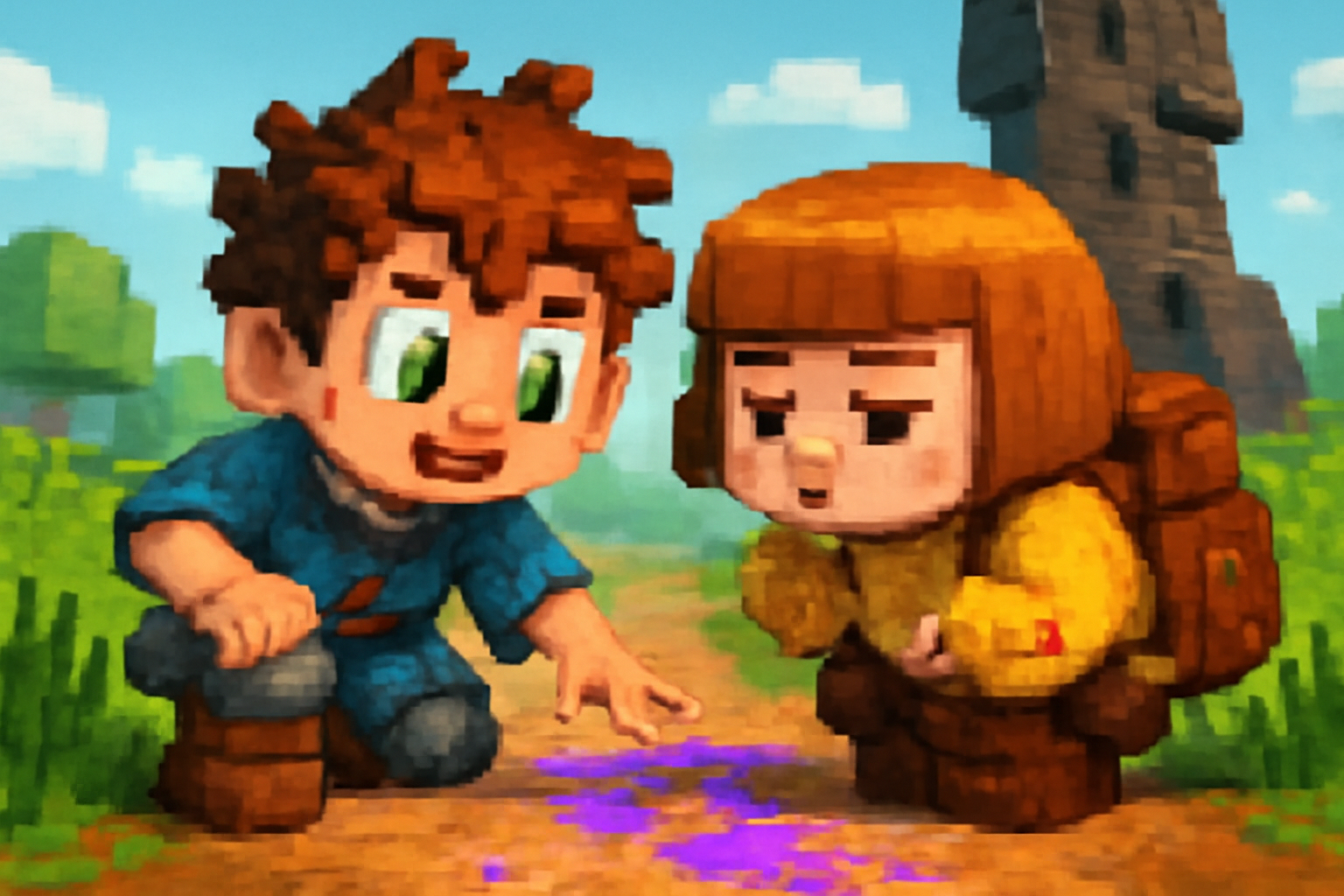
Biscuit emerged from the shelter with her backpack already on and a cereal bar already half-eaten, because Biscuit had probably been awake for an hour making lists. She took one look at the footprints, crouched down, and sniffed.
“Purple chalk dust,” she said immediately. “And something else.” She sniffed again. “Endstone. Definitely endstone. Which smells exactly like cold metal and slightly disappointed dreams.”
I had no idea what disappointed dreams smelled like, but I trusted Biscuit’s nose the way I trusted my own two feet — completely, even when they led me somewhere unexpected. Usually into a hole.
This post contains affiliate links. As an Amazon Associate, I earn from qualifying purchases at no extra cost to you. If Chapter 9 had you hyped about the mythology behind our very organized villain, you’re going to want the Treasury of Greek Mythology: Classic Stories of Gods, Goddesses, Heroes & Monsters on your shelf immediately. National Geographic packed this thing with stunning artwork and deep dives into the gods, heroes, and monsters we keep referencing in this series. I personally use it as my go-to fact-check when I’m planning chapters — it’s the kind of book that makes you feel like a mythology expert after one sitting.