Iconography and symbolism are where mythology gets genuinely dense — every object, animal, color, and gesture carries accumulated meaning that can take years to fully unpack. That layering is exactly what I find most compelling about diving deep into any mythological tradition. Purple, for instance, is never just a color in legendary and historical traditions — it’s royalty, it’s the divine, it’s the uncanny threshold between the mortal and the otherworldly, a shade so costly and rare in the ancient world that its appearance alone signaled that something significant was at work. So when we encounter a villain in an epic narrative who leaves behind perfectly ordered purple footprints, that’s not a quirky visual detail — that’s a deliberate symbolic vocabulary being spoken fluently, one that draws on millennia of mythological association between chromatic identity and cosmic authority. The organizational precision here matters just as much as the color, because across countless legendary traditions, chaos belongs to mortals and order belongs to forces far older and far more dangerous.
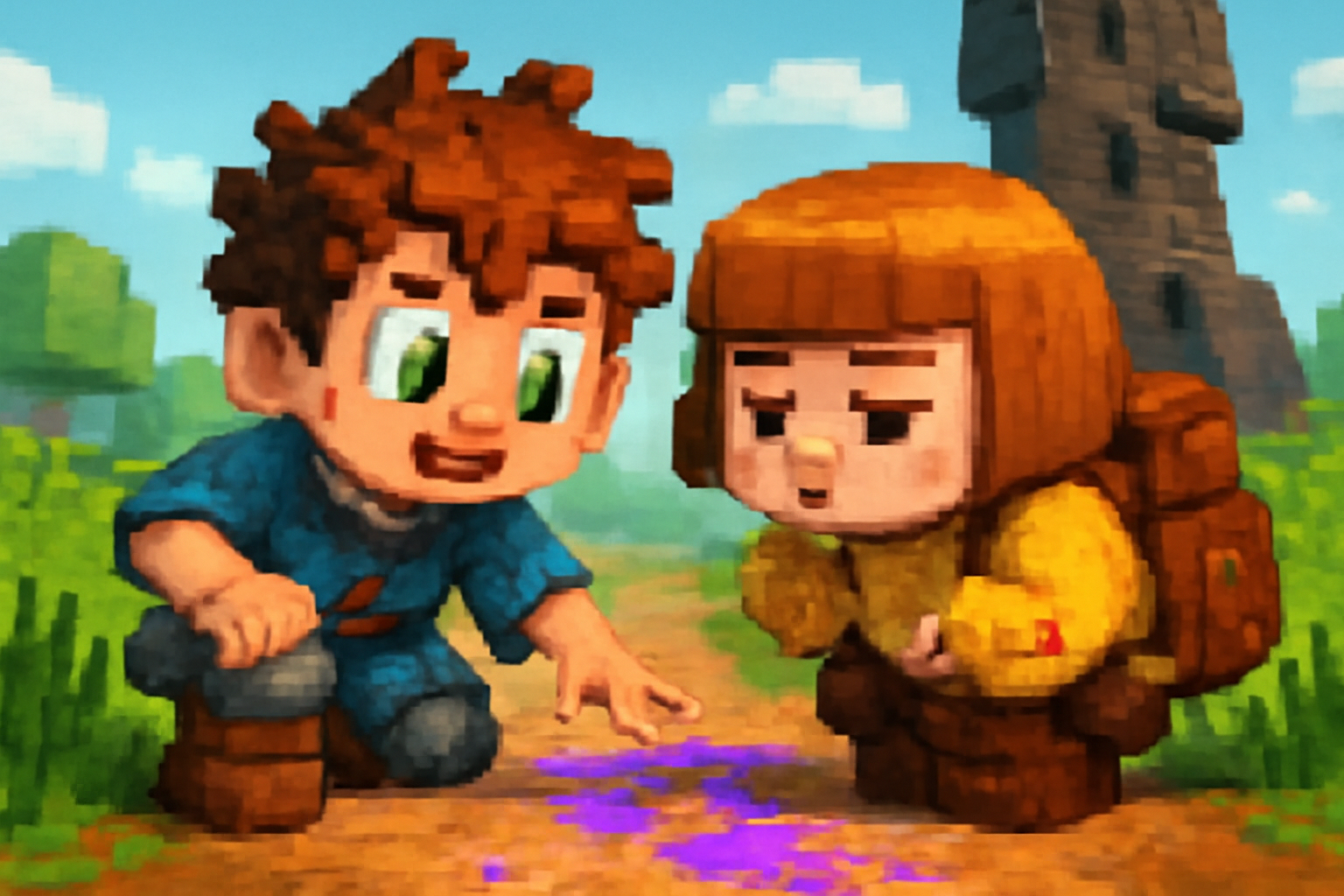
“Biscuit,” I said. “Come look at this.”
Biscuit emerged from the shelter with her backpack already on and a cereal bar already half-eaten, because Biscuit had probably been awake for an hour making lists. She took one look at the footprints, crouched down, and sniffed.
“Purple chalk dust,” she said immediately. “And something else.” She sniffed again. “Endstone. Definitely endstone. Which smells exactly like cold metal and slightly disappointed dreams.”
I had no idea what disappointed dreams smelled like, but I trusted Biscuit’s nose the way I trusted my own two feet — completely, even when they led me somewhere unexpected. Usually into a hole.
The Mythology Reference Every Young Reader Needs After This Chapter
Chapter 9 dives deep into the symbolic power of color and divine imagery in mythology—and this beautifully illustrated treasury is the perfect companion to explore those layers even further. When Ollie encounters a very organized villain wrapped in purple symbolism, you’ll want the full mythological backstory at your fingertips.
What works
- Packed with the classic stories behind symbols, colors, and divine figures that make mythology so layered and meaningful
- Accessible illustrations and storytelling keep young readers engaged while honoring the depth of ancient traditions
- Perfect for looking up specific gods, goddesses, and mythological objects referenced in Ollie’s adventures
What doesn’t
- At 400+ pages, it’s more of a reference library than a quick read—but that’s exactly what makes it valuable for curious minds
- Best suited for readers ages 10+, or younger readers with a parent or mentor to explore it together
This is a reference book designed to grow with your reader, meaning it’ll get pulled off the shelf again and again as they encounter new mythological references in their adventures. Grab a copy of Treasury of Greek Mythology: Classic Stories of Gods, Goddesses, Heroes & Monsters and let Ollie’s curiosity lead the way.
About This Article

Written by Elias Blackwood. Elias Blackwood has spent 25 years as an obsessive collector of world mythology and folklore, from Greek and Norse epics to Japanese yokai and West African trickster tales — entirely self-taught, for the love of it. His reading draws on comparative mythology, cultural anthropology, and a personal library of translations most people have never heard of. More about this site.
Verify this against a primary source
Specifics change, and your situation may differ from the one described here. These are the authorities worth checking directly:
- Theoi Project — Greek mythology texts with primary source citations
- Perseus Digital Library — classical texts in the original and in translation
- Encyclopaedia Britannica — edited reference for figures and traditions