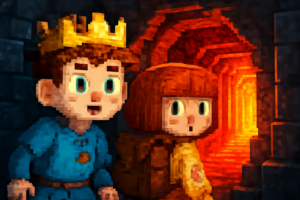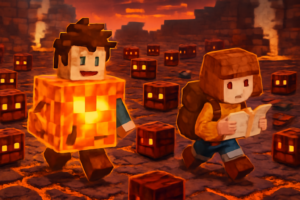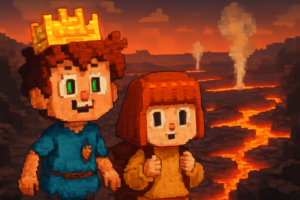
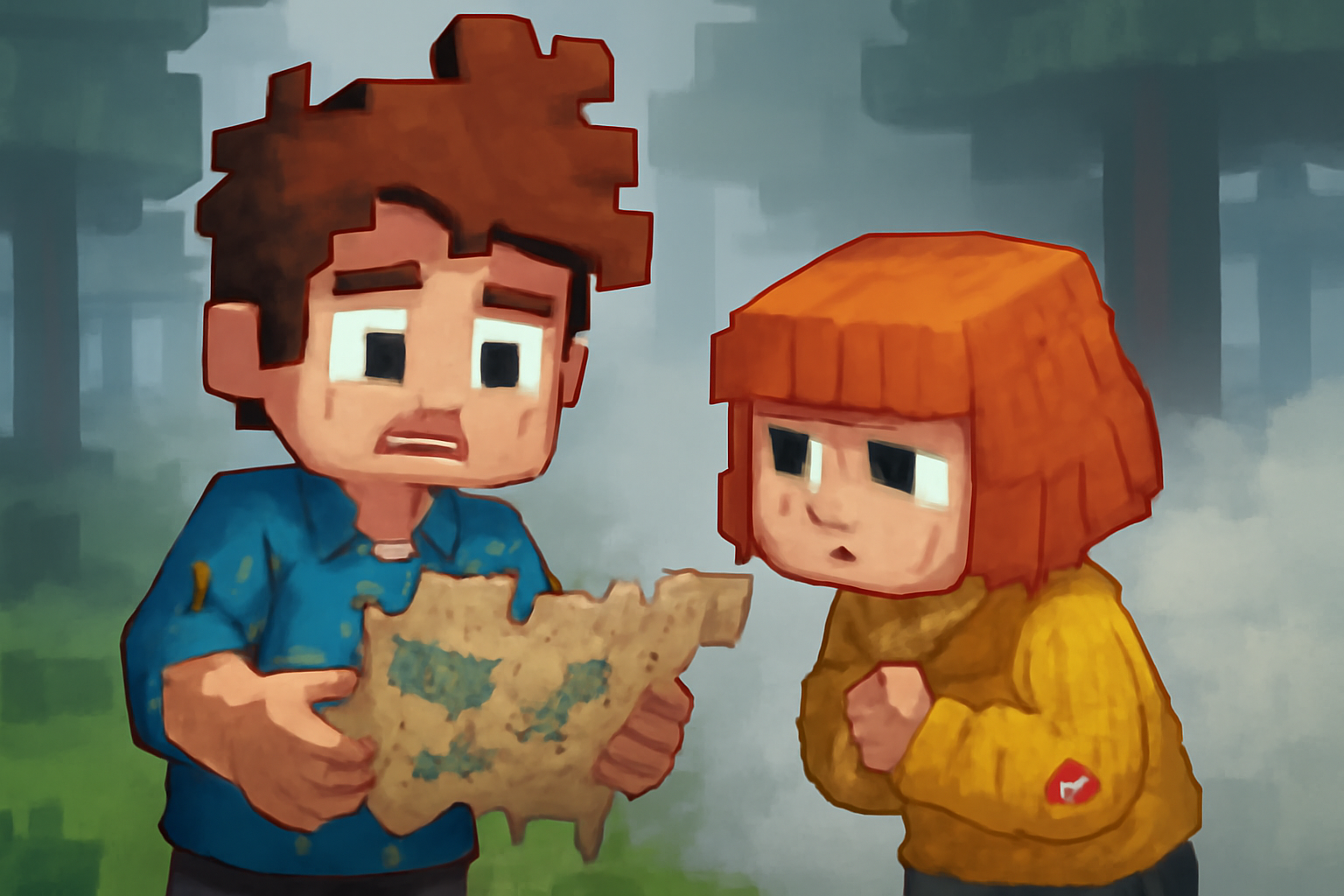
When a fictional world is built with genuine attention to internal consistency — its history, its politics, its cultural logic — reading it becomes an experience very close to studying a real historical civilization. You bring the same analytical tools and they yield the same kind of insight. That’s exactly the lens I want to apply here, because this chapter is doing something quietly fascinating: the sudden, disorienting fog that swallows Biscuit and the narrator whole isn’t just a atmospheric inconvenience — it’s a threshold moment, the kind that appears in mythological traditions from the Celtic otherworld to the liminal mists of Norse cosmology, where geography stops being geography and starts being a test. And then there’s the jar collection, which any folklorist worth their salt will recognize as the kind of detail that only lands with that particular unsettling weight when a world-builder understands how objects accumulate meaning in legendary traditions — think of the vessels, urns, and containers scattered across Greek myth, Norse lore, and countless fairy tale taxonomies, rarely innocent, almost always a problem. This chapter, in other words, deserves a closer look.
“Biscuit,” I said carefully. “The map is wet.”
“The map is dissolving, Ollie.”
“That’s what I said.”
She made the noise she makes when she’s trying very hard not to say something. I’ve heard it a lot since Sproutville.
The Mythology Guide for Worlds Built on Ancient Logic
Chapter 6 reveals how Ollie’s world operates by its own internal rules—much like the ancient mythologies that inspired countless adventure stories. This Treasury dives into the same kind of world-building logic that makes Biscuit’s fog-wrapped journey feel real and consequential.
What works
- Rich cultural and historical context shows how mythology shapes a world’s rules, magic, and character motivations—exactly what’s happening beneath Ollie’s adventure
- Beautifully illustrated stories inspire the same kind of imaginative reading that Chapter 6 demands; you’ll start seeing connections between ancient tales and modern adventure fiction
- Stories of gods, monsters, and mortals navigating impossible situations mirror the analytical lens the post applies to understanding Biscuit’s world
What doesn’t
- This is a reference book, not a quick read—it’s meant to be explored slowly and returned to, which is perfect for curious readers but requires patience
- Best suited for readers ages 10+, as the stories and illustrations assume some reading maturity and comfort with complex narratives
This book works best for readers who want to understand how fictional worlds are built—and it pairs perfectly with the kind of deep reading this post encourages. Treasury of Greek Mythology: Classic Stories of Gods, Goddesses, Heroes & Monsters
About This Article

Written by Elias Blackwood. Elias Blackwood has spent 25 years as an obsessive collector of world mythology and folklore, from Greek and Norse epics to Japanese yokai and West African trickster tales — entirely self-taught, for the love of it. His reading draws on comparative mythology, cultural anthropology, and a personal library of translations most people have never heard of. More about this site.
Verify this against a primary source
Specifics change, and your situation may differ from the one described here. These are the authorities worth checking directly:
- Theoi Project — Greek mythology texts with primary source citations
- Perseus Digital Library — classical texts in the original and in translation
- Encyclopaedia Britannica — edited reference for figures and traditions