Dante’s Inferno: The Nine Circles of Hell Explained (Complete Guide)

Dante's Inferno: The Nine Circles of Hell Explained (Complete Guide)

Dante Alighieri wrote the Inferno in the early 1300s. His medieval vision of Hell shaped how the West imagines damnation. Before Dante, Hell was abstract theology. After him, it became vivid, specific, and unforgettable. Every circle has its own logic, its own torment, and its own moral lesson. Understanding these nine circles means understanding one … Read more
The Cult of Dionysus Song: Genre, Meaning, and Mythological Roots

The Cult of Dionysus Song: Genre, Meaning, and Mythological Roots

The Cult of Dionysus: How a Synth-Pop Banger Channeled an Ancient Greek God “The Cult of Dionysus” by The Orion Experience is about rejecting the rigid, joyless norms of ordinary life in favor of a hedonistic, pleasure-and-freedom-centered existence — framed as joining a “cult” devoted to Dionysus, the Greek god of wine, theater, and ecstatic … Read more

The Spiritual Meaning of Dante’s Inferno: Why the Way Down Is the Way Up

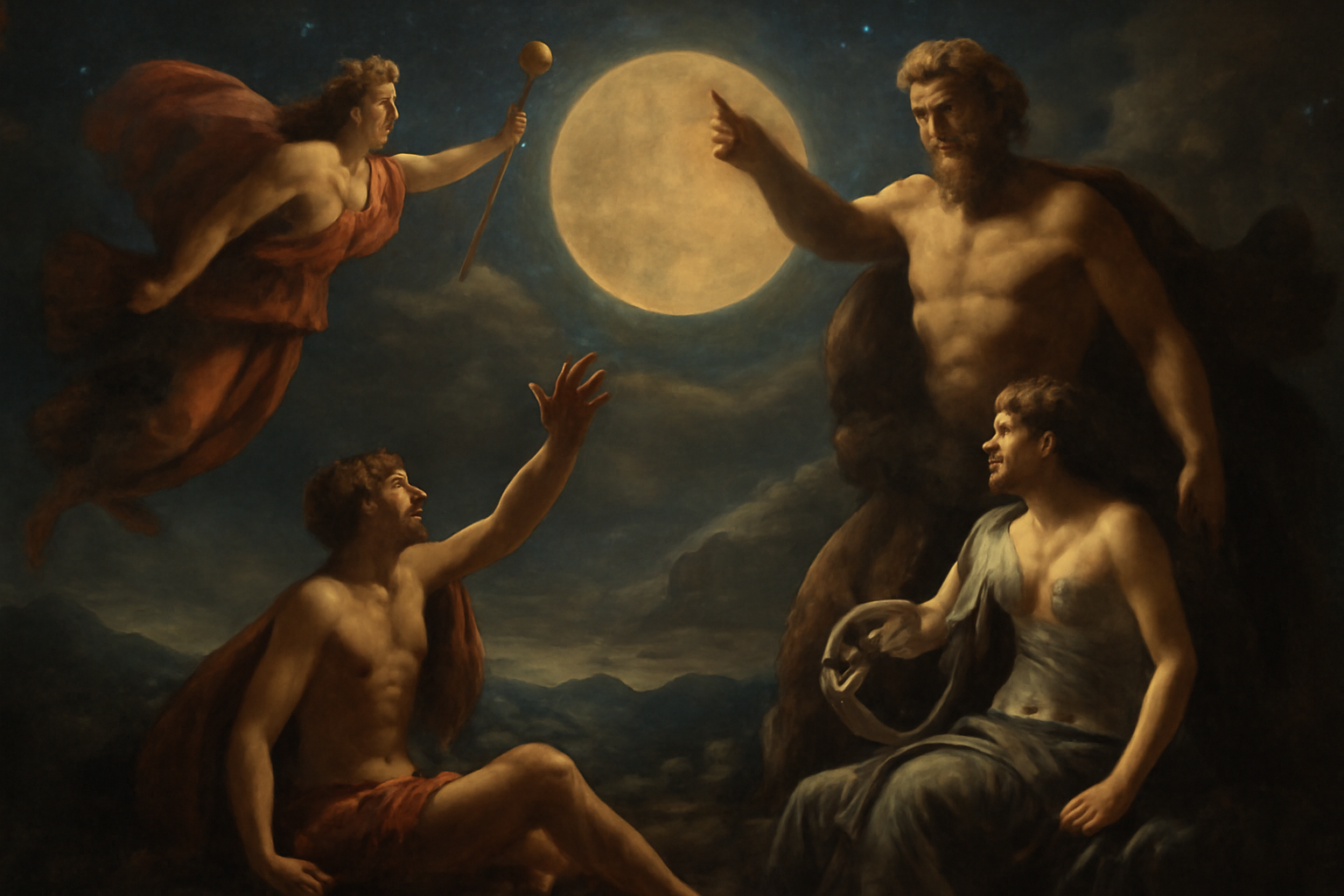
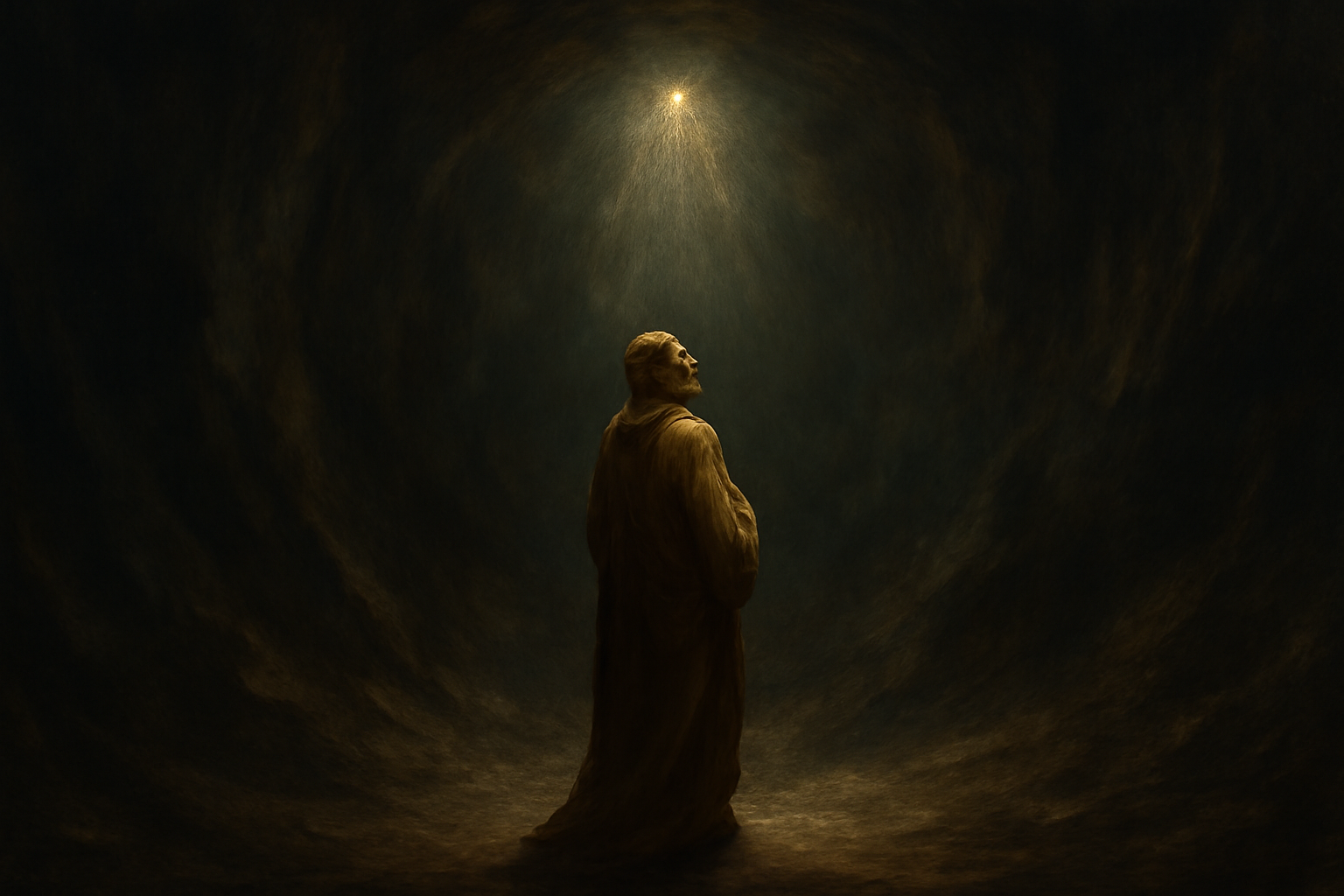
A figure at the lowest point of Hell looking upward toward distant stars — the spiritual turning point in Dante's Inferno

Most readers approach Dante Alighieri’s Inferno as a medieval compendium of torment—a lurid ledger of suffering inflicted on the damned. This reading fundamentally distorts the poem’s inner logic. The Inferno functions not as Dante’s endpoint but as his clinical assessment. Like any rigorous diagnosis, it brings pain before healing begins. The spiritual architecture of Dante’s … Read more