Contrapasso: How Every Punishment in Dante’s Inferno Fits the Sin

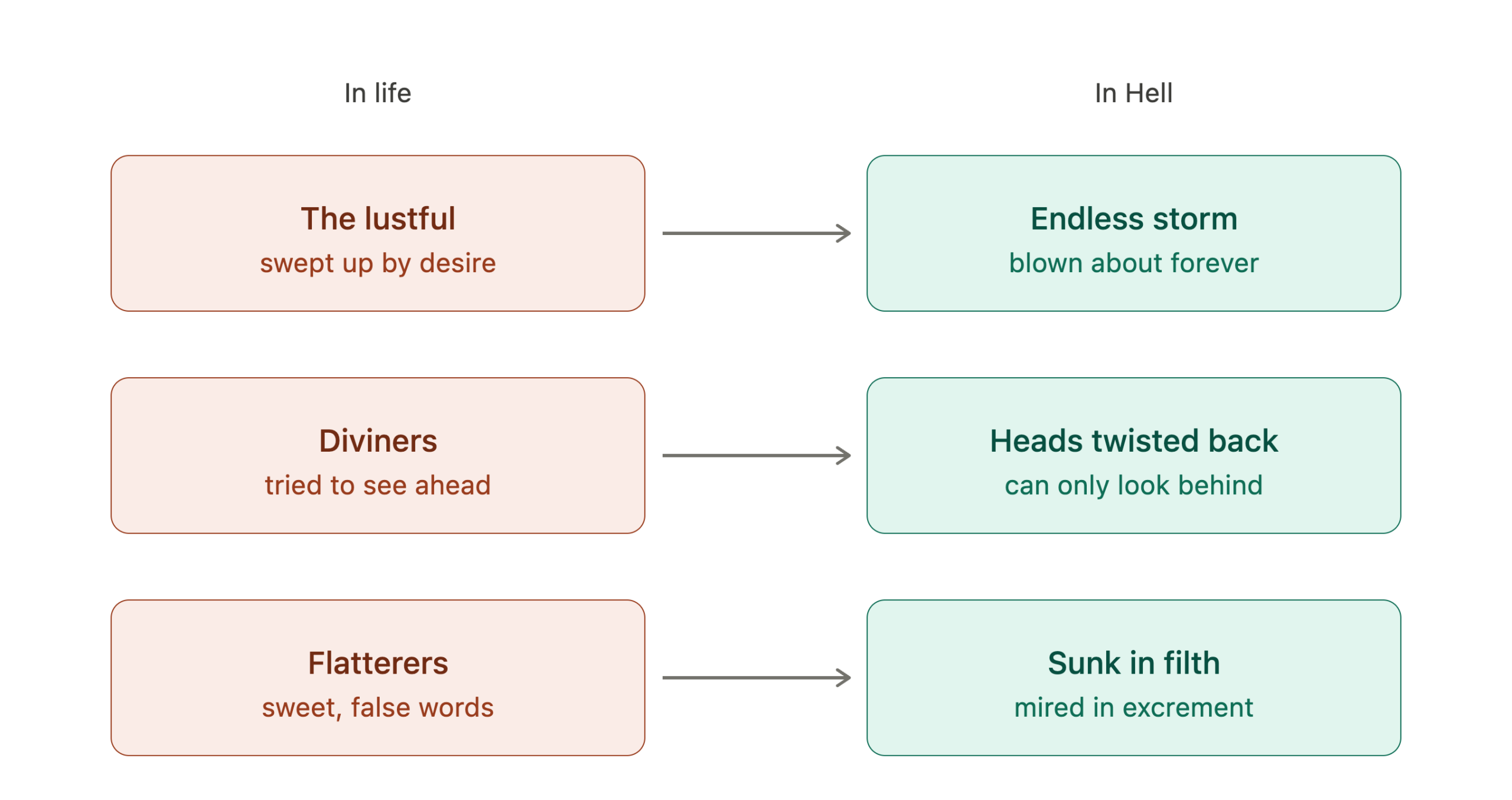
Diagram showing three examples of contrapasso: the lustful blown by storms, diviners with heads twisted back, flatterers sunk in filth

A yellowed facsimile of Dante’s original manuscript sits behind museum glass in Florence, its medieval ink faded but still legible where his hand moved across vellum centuries ago. What strikes you, standing before it, is not the poetry’s beauty but its specificity—the obsessive precision with which Dante mapped each circle, each torment, each sinner’s eternal … Read more

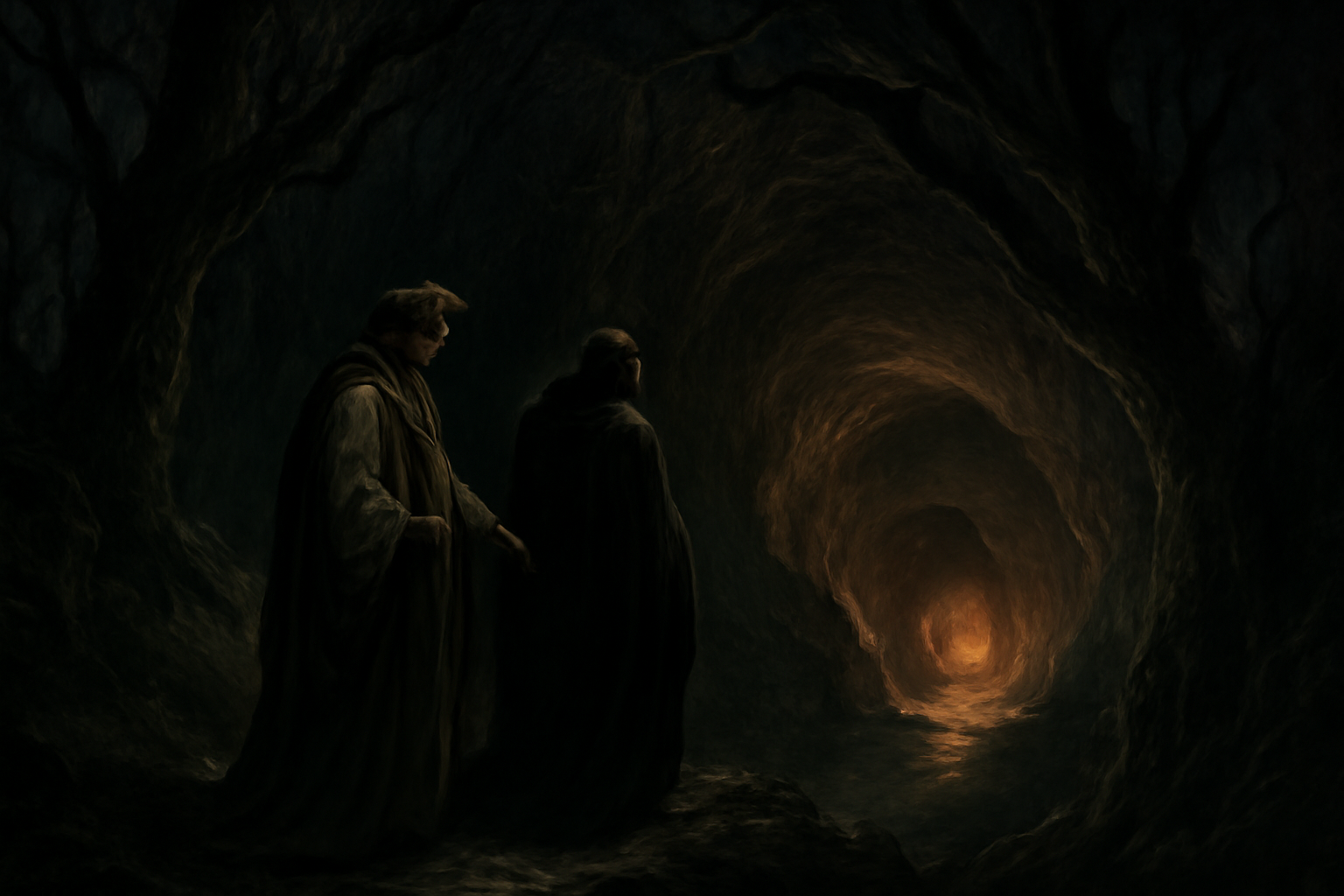
Satan in Dante’s Inferno: The Frozen Ninth Circle and the Three-Faced Devil

Satan in Dante's Inferno: The Frozen Ninth Circle and the Three-Faced Devil

When most people imagine Hell, they picture flames. Sulfurous pits. Demons with pitchforks. Fire, fire, everywhere. Dante Alighieri had a radically different vision. In his epic poem The Divine Comedy, the deepest, most terrible circle of Hell is not blazing—it is frozen solid. Cocytus, the ninth circle, is a lake of ice. And the further … Read more

A Beginner’s Guide to Dante’s Inferno: The Full Plot Summary (Canto by Canto)

A Beginner's Guide to Dante's Inferno: The Full Plot Summary (Canto by Canto)

Dante’s Inferno is one of the most influential works in Western literature. It’s the first part of a three-part epic called the Divine Comedy. Written in the early 1300s by Italian poet Dante Alighieri, it remains surprisingly relevant and gripping today. The poem blends theology, politics, and personal emotion into a single narrative. Think of … Read more

“Abandon All Hope, Ye Who Enter Here”: The Meaning Behind Hell’s Most Famous Inscription

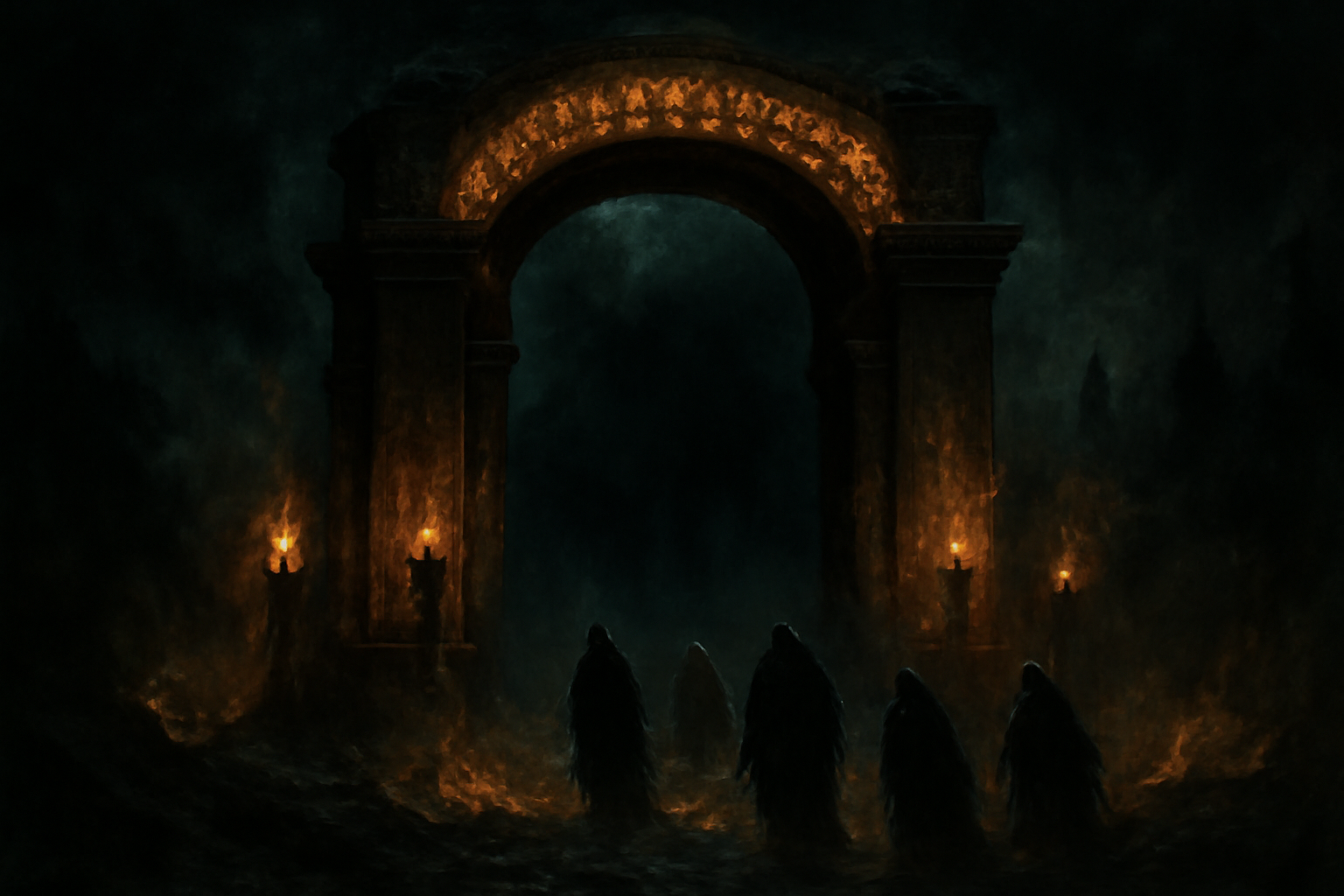
"Abandon All Hope, Ye Who Enter Here": The Meaning Behind Hell's Most Famous Inscription

The full inscription above the Gate of Hell in Dante’s Inferno (Canto III) reads, in the most famous English translation: “Abandon all hope, ye who enter here.” It’s the last line of a nine-line warning, spoken by the gate itself, declaring that Hell is eternal and that anyone who enters has lost any possibility of … Read more

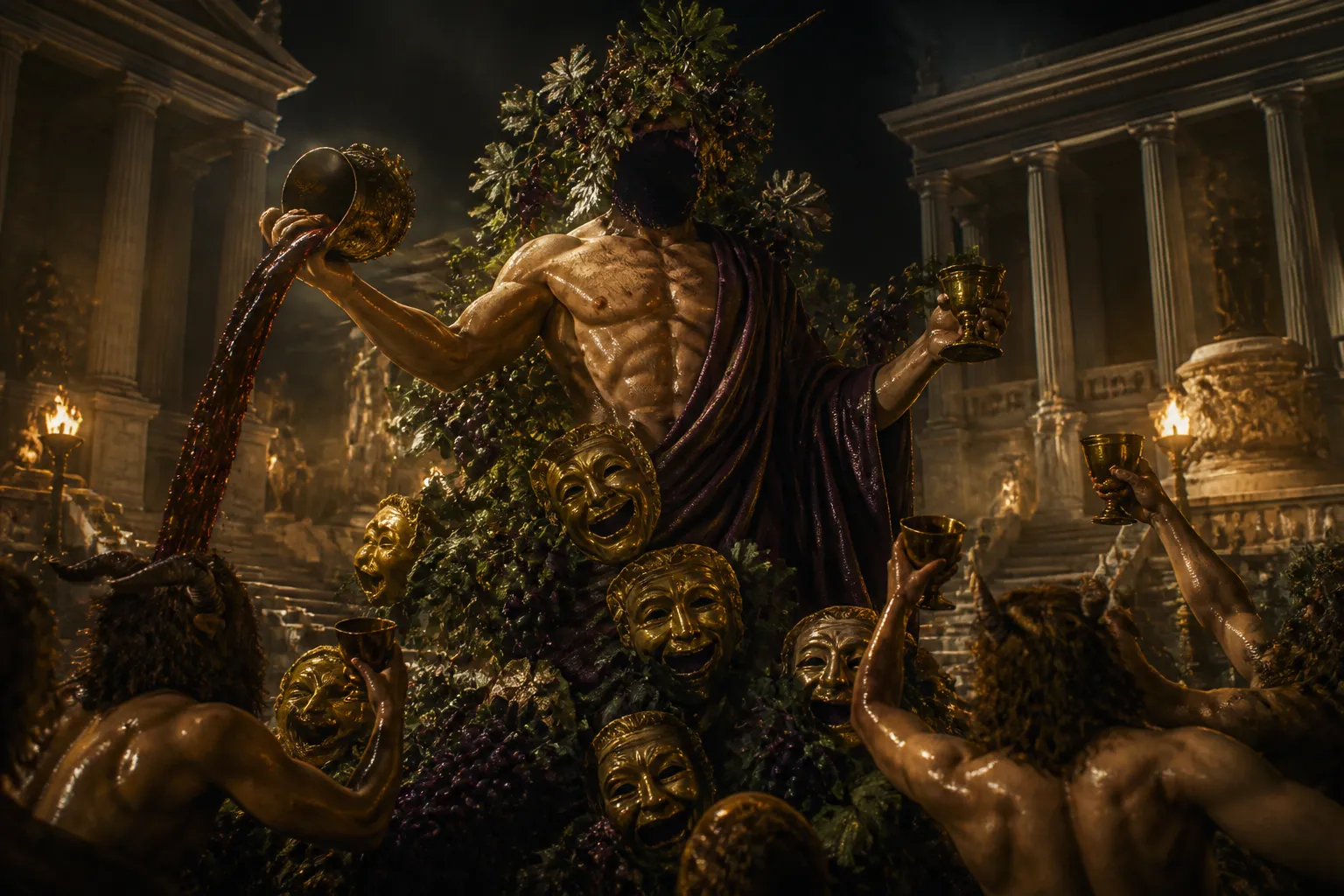
Maenad Rituals: The Wild Rites of Dionysus’s Female Followers

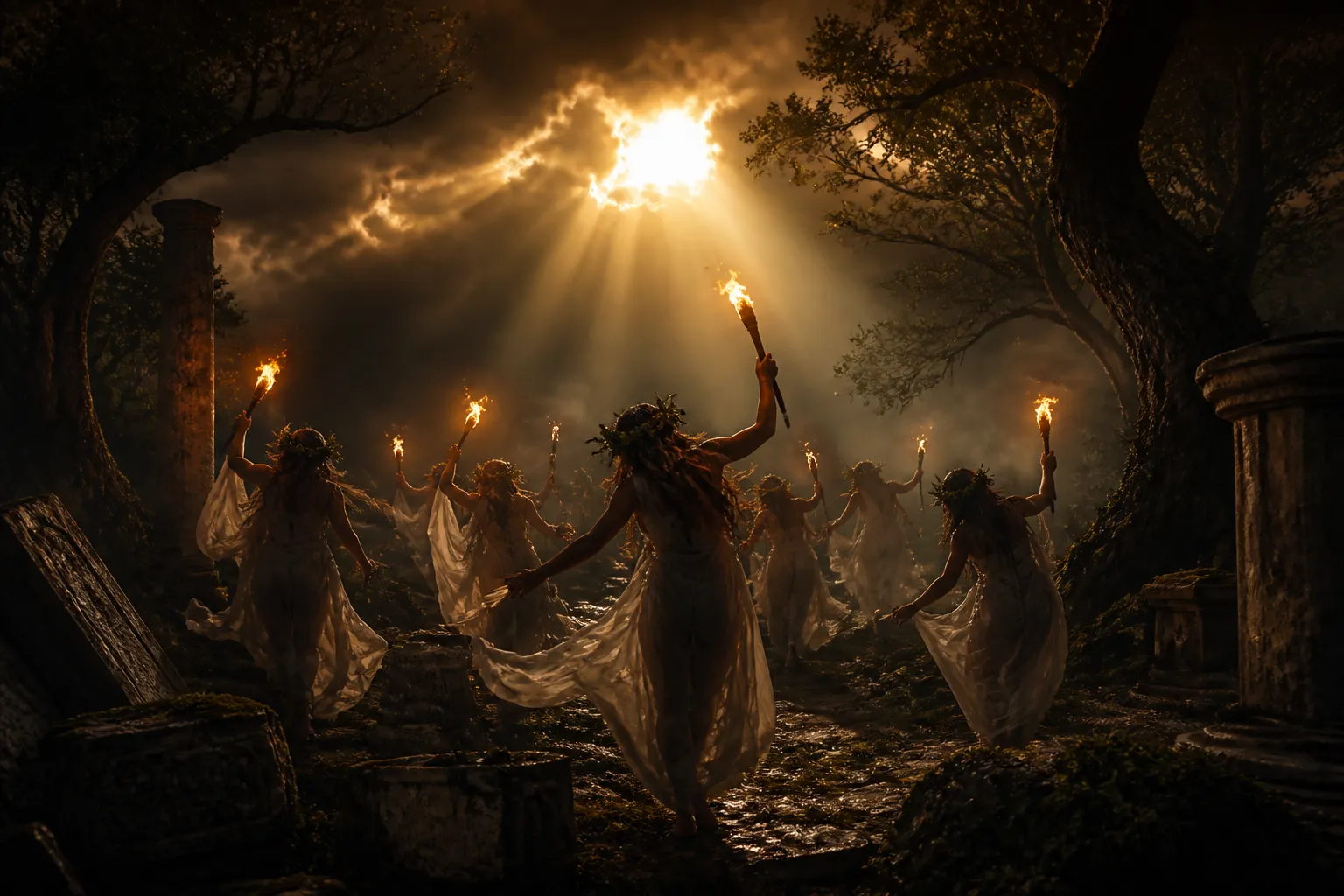
Maenad Rituals: The Wild Rites of Dionysus’s Female Followers

Of all the figures in Greek mythology, few are as simultaneously fascinating and disturbing as the maenads — the ecstatic female followers of Dionysus who appear throughout ancient art, literature, and religious record as women in the grip of divine madness, dancing on mountaintops, tearing animals apart with their bare hands, and immune to pain … Read more

Dionysus and Grapes: Sacred Plants and Flowers of the Wine God

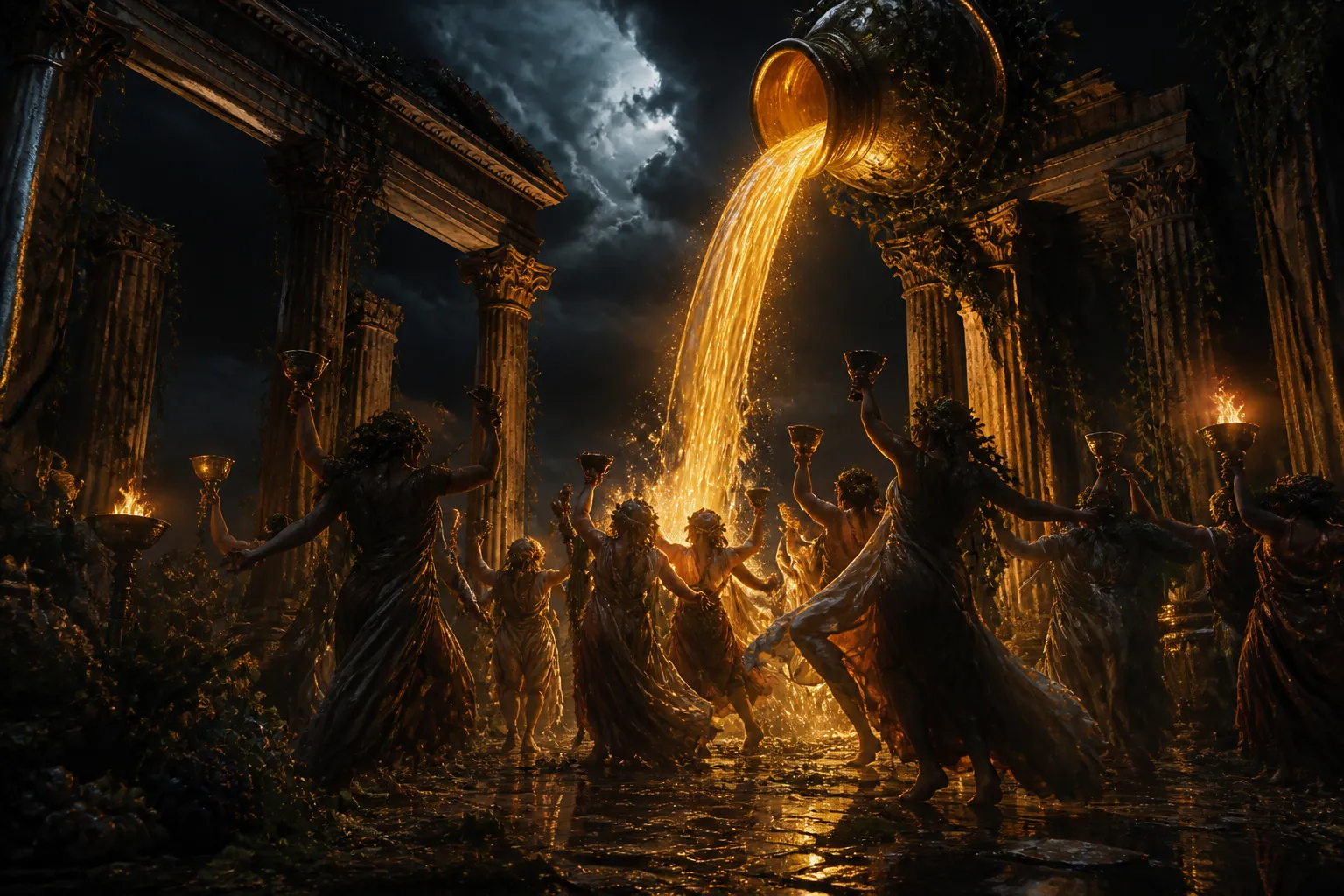
Dionysus and Grapes: Sacred Plants and Flowers of the Wine God

Among the gods of the Greek pantheon, Dionysus had one of the richest relationships with the plant world. While Zeus commanded thunder and Poseidon ruled the sea, Dionysus’s power was expressed through growing things — through the vine, the ivy, the pine, the fig — the fertile, intoxicating, and sometimes dangerous bounty of the earth. … Read more