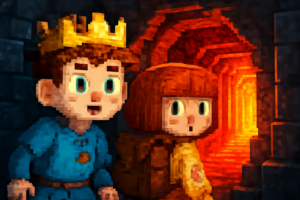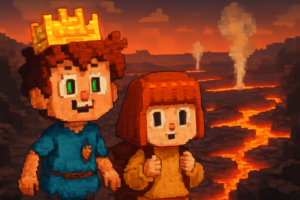
Some of the most interesting historical material is the stuff that almost didn’t survive — the fragmentary records, the suppressed traditions, the oral histories that only made it into writing centuries later. There’s something powerful about recovering those threads and understanding what they meant to the people who carried them. And that’s exactly what makes the mythology of returning light so compelling to dig into: across dozens of cultures — Norse, Egyptian, Japanese, Mesoamerican — the moment when the sun comes back isn’t just a calendar event, it’s a cosmic reckoning, a story that communities told themselves about survival, about whether the world would keep its promises. What we’re exploring in this chapter sits right at the intersection of those ancient traditions and the kind of legendary world-building that takes them seriously, tracing how figures like Biscuit carry the weight of that archetypal moment — the desperate, almost irrational act of trusting that the light will return — even when every rational instinct says it won’t. This is the chapter where the stakes stop being abstract, and I think once you see how deep the historical roots of this narrative go, you’ll feel the full force of what’s actually happening here.
“About forty percent of one,” I whispered back. She nodded like that was completely acceptable, which honestly made me feel great.
The fog maze was behind us now. We’d found our way out by following the smell Biscuit had been tracking — something she described as “burnt toffee mixed with gray crayon and a very sad Tuesday” — which turned out to be the base of Sky Tower, a tall, crooked structure of dark stone that floated just above the treeline like it had forgotten to come back down. A rickety staircase spiraled up its outside, and at the very top, through the haze, I could just barely see the glow of hundreds of glass jars.
Stolen sunrises. Stolen auroras. All of them trapped up there while the rest of us lived under a flat gray sky that smelled, according to Biscuit, of old socks and sadness.
And somewhere in that tower: the stolen hats.

The Mythology Book That Completes This Chapter’s Journey
After following Ollie through a story woven from humanity’s oldest myths about returning light, you’ll want the companion guide that shows where these threads come from—and how they’ve shaped cultures across centuries.
What works
- Beautifully illustrated retellings of Greek myths that echo the same themes of transformation and cosmic cycles Ollie encountered
- Organized by story type, so you can explore myths about gods, heroes, and monsters independently—perfect for readers who want to dig deeper into specific traditions
- Rigorous yet accessible writing that respects both the mythology and young readers, explaining *why* these stories matter
What doesn’t
- Focuses primarily on Greek mythology, so it won’t cover the Norse, Egyptian, Japanese, and Mesoamerican traditions mentioned in this chapter
- Dense enough to require a reader aged 8+, with parent engagement being helpful for younger enthusiasts who want to discuss the deeper meanings
This is best for readers aged 8 and up who are ready to explore mythology beyond a single story—and it’s perfect as a gift alongside Ollie’s adventure. Treasury of Greek Mythology: Classic Stories of Gods, Goddesses, Heroes & Monsters
About This Article

Written by Elias Blackwood. Elias Blackwood has spent 25 years as an obsessive collector of world mythology and folklore, from Greek and Norse epics to Japanese yokai and West African trickster tales — entirely self-taught, for the love of it. His reading draws on comparative mythology, cultural anthropology, and a personal library of translations most people have never heard of. More about this site.
Verify this against a primary source
Specifics change, and your situation may differ from the one described here. These are the authorities worth checking directly:
- Theoi Project — Greek mythology texts with primary source citations
- Perseus Digital Library — classical texts in the original and in translation
- Encyclopaedia Britannica — edited reference for figures and traditions