Chapter 4: One Very Accidental Victory

Ollie and Biscuit — Chapter 4, scene 1

The hero’s journey isn’t just a storytelling template — it’s a document of what a culture considered transformative, what trials it thought built character, and what kind of person it most wanted to produce. Reading any legendary hero narrative with that context makes the whole thing richer. What fascinates me most is that the accidental victory — the win that stumbles in through the back door while the hero is busy doing something else entirely — appears across mythological traditions from the Greeks to the Norse to the folk cycles of West Africa, and it’s never truly accidental at all; it’s the story’s way of saying that preparation, character, and a certain stubborn attentiveness to the world are exactly what luck looks like up close. Chapter 4 leans right into that tradition, and I think that’s worth pausing on, because the cultures that told these kinds of stories weren’t celebrating incompetence or coincidence — they were making a very precise and somewhat radical argument about what heroism actually requires.

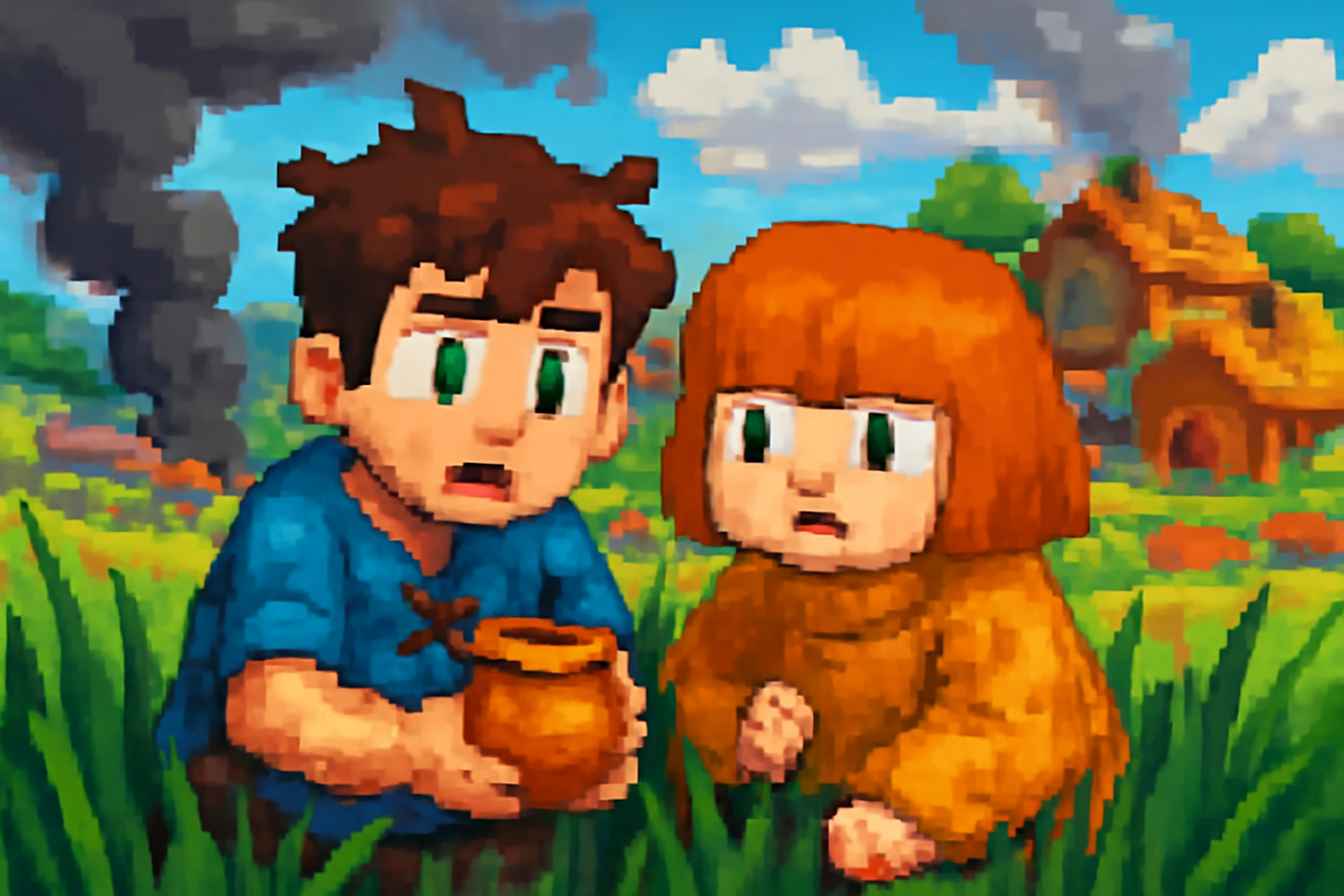
“Ollie!” Biscuit’s voice came hissing through the tall grass to my left. “Did you get it? All of it? Tell me you got ALL of it!”

“Every drop,” I whispered back, holding up the little clay pot full of golden resin. It smelled faintly of oak bark and something warm, like summer. “How’s the distraction going?”

Biscuit poked her copper bowl-cut head through the grass. Her chunky yellow sweater had a grass stain on the mushroom sleeve, which meant things had been at least slightly chaotic. “Baron Blaze has been telling me his entire life story for the last twelve minutes,” she said. “Did you know he once reorganized all the Nether fortresses by SIZE? He made a CHART. He showed me the chart, Ollie. It was laminated.”

I pressed my lips together so I wouldn’t laugh. “He laminated it?”

“With GOLD trim.” She grabbed my arm. “Come on. He’ll finish the story eventually and then he’ll notice you’re gone and then—”

A sound like a small thunderstorm wearing a very fancy hat rolled across the meadow.

“WHERE,” boomed Baron Blaze, “IS THE SHORT ONE WITH THE RIDICULOUS HAIR?”

I looked at Biscuit. “He means me.”

“He absolutely means you,” she confirmed.

Ollie and Biscuit — Chapter 4, scene 1

This post contains affiliate links. As an Amazon Associate, I earn from qualifying purchases at no extra cost to you. If Chapter 4’s accidental victory got your heart racing, you NEED to check out Ravensburger Horrified: Greek Monsters. This cooperative board game throws you and up to four friends straight into the chaos of facing creatures like Medusa and the Minotaur — and trust me, nothing feels more epic than pulling off a last-second win together. It’s the perfect way to live out your own accidental victory moment, except this time you’re actually planning it. Mostly.

Read more

Chapter 3: Baron Blaze and the Very Fancy Cape

Ollie and Biscuit — Chapter 3, scene 1

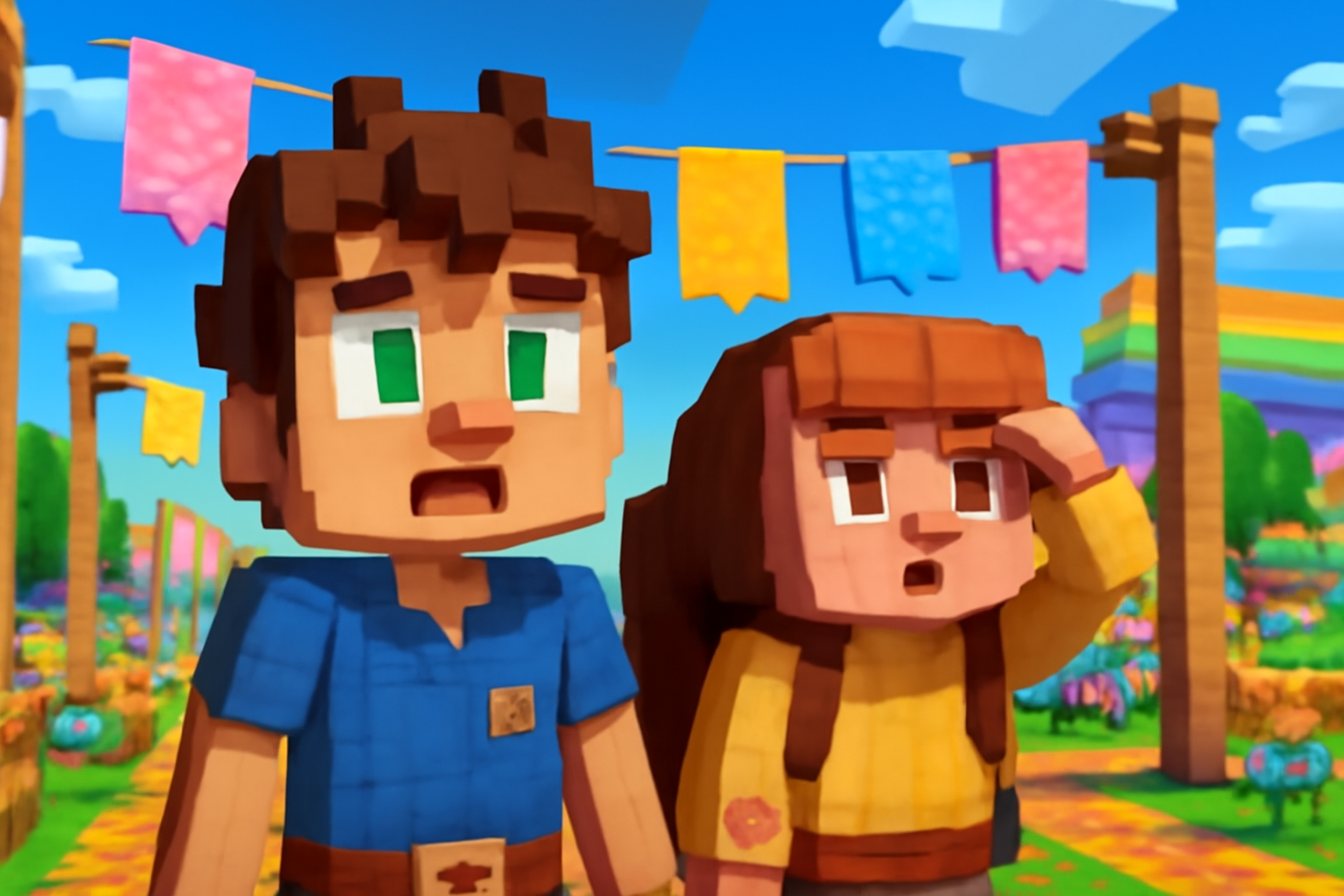
One of the things that keeps me coming back to mythology and legendary history is how directly it connects to the present — not as quaint relics but as the actual root system of ideas we still live with. Pull on almost any modern concept and you’ll find it attached to something thousands of years old. Baron Blaze and his Very Fancy Cape might sound like the kind of title that belongs on a children’s shelf, but strip away the playful framing and you’re looking at one of the oldest archetypes in the legendary canon: the fire lord draped in symbolic regalia, a figure whose clothing is not decoration but declaration, a visual language of power that runs from the cloaks of Norse war-gods straight through to the ceremonial mantles of medieval European nobility. The scorch marks we left behind in Sproutville weren’t just plot texture — they’re the kind of detail that, once you start reading it through a mythological lens, starts pulling threads that connect to volcanic deity cults, to the Roman fascination with ignis as both destroyer and civilizer, to the very specific and deliberate way ancient cultures used fire imagery to signal someone worth fearing. That’s the rabbit hole we’re diving into today, and I promise it goes much deeper than a fancy cape.

What I didn’t expect was for that someone to show up wearing a cape.

Ollie and Biscuit — Chapter 3, scene 1

This post contains affiliate links. As an Amazon Associate, I earn from qualifying purchases at no extra cost to you. After reading about Baron Blaze and his legendary cape, every kid is going to want one of their own — and this D.Q.Z Superhero Capes for Kids 20-Set is my top pick for that. You get 20 capes AND masks in a rainbow of colors, which means the whole crew can suit up together. Baron Blaze would absolutely approve of that kind of squad energy. Perfect for birthday parties or just an epic afternoon of backyard adventures.

Read more

Chapter 2: The Sheep Who Stole the Show

Ollie and Biscuit — Chapter 2, scene 1

Reading legendary lore feels, to me, like taking field notes on a civilization — you’re assembling a picture of how people organized meaning, justified authority, and explained the inexplicable. Every detail is a data point. That’s the mindset I bring to every piece of deep mythological or legendary content I encounter. And sheep — humble, woolly, seemingly unremarkable sheep — turn out to be extraordinary data points, woven into the symbolic fabric of cultures from ancient Mesopotamia to Norse pastoral mythology in ways that most people completely overlook. When an animal keeps showing up in sacred texts, heroic narratives, and divine allegories across wildly different traditions, that’s not coincidence; that’s a cultural obsession worth dissecting. So let’s talk about why, in the grand theater of legendary history, the sheep somehow stole the show.

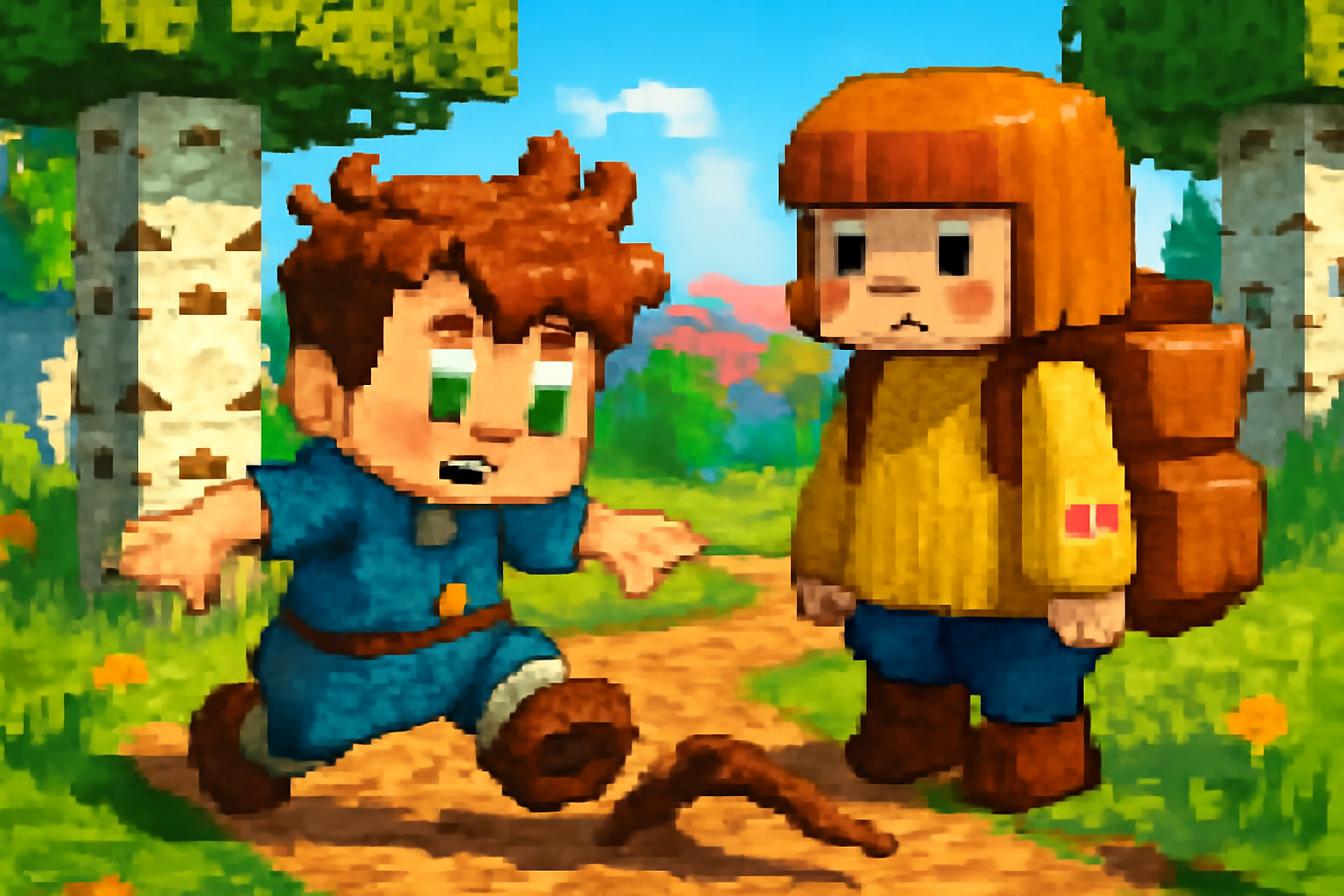
“Watch your feet,” Biscuit said helpfully, about three seconds too late, as she adjusted the enormous backpack bouncing on her shoulders. She had packed it that morning while reading from a list titled Things To Pack, which was itself on a list titled Lists I Need Today. I had counted at least four separate bags of crackers going in. Biscuit believes crackers can solve most problems. She might be right.

We’d left Sproutville before sunrise, still thinking about those scorch marks near the fountain square and the faint smell of redstone machinery Biscuit had detected. Somebody had taken every map in the village, and that somebody had left a very specific kind of mess — the hot, sharp-edged kind. But the Wool Festival couldn’t wait for us to figure that out. Rainbow Meadows needed help now.

Ollie and Biscuit — Chapter 2, scene 1

This post contains affiliate links. As an Amazon Associate, I earn from qualifying purchases at no extra cost to you. After reading about a sheep who literally stole the show, I think every young mythology fan deserves a fluffy sidekick to read along with — and this Tiny Heart Sheep Stuffed Animal is absolutely perfect for the job. It’s small enough to sit on your desk or bookshelf like a little mythological mascot, super soft, and honestly just adorable. Whether you’re team hero or team sheep after this chapter, this little lamb has your back.

Read more

Chapter 1: Upside-Down and Absolutely Fine

Ollie and Biscuit — Chapter 1, scene 1

I studied mythology and ancient history at university, and the one thing that struck me across every culture I examined was how consistently people encoded their deepest values, fears, and social structures into their legends — which is exactly why I find these kinds of deep dives so endlessly fascinating. There is something almost universal about the comic hero’s stumble: the chosen one who arrives not in glory but in chaos, soaking bystanders and disrupting the ordinary world in a way that signals, loud and unmistakable, that something has fundamentally shifted. From the bumbling youngest sons of Norse and Celtic folklore to the trickster-adjacent figures who tumble headlong into their destinies across Greek, Japanese, and West African traditions, cultures have always understood that the hero who begins upside-down often ends up reorienting the entire world around them. What I love about Ollie’s opening splash — undignified, chaotic, and absolutely perfect — is how faithfully it echoes that ancient storytelling instinct: disruption as destiny, embarrassment as threshold. So let’s dig into why this chapter does something far older and far cleverer than it might first appear.

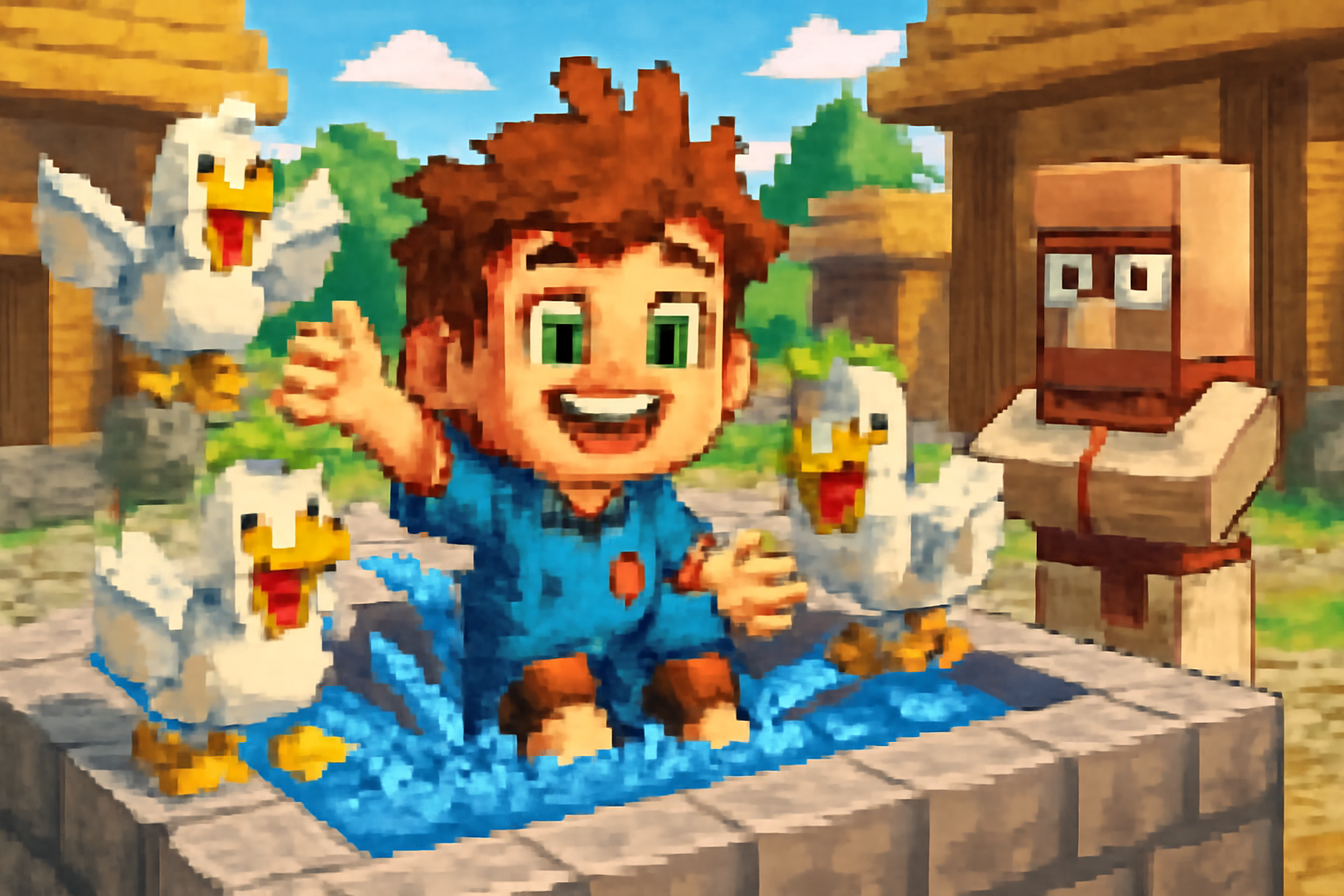
“I meant to do that,” I announced to no one in particular, sitting in the fountain with water streaming down my messy brown hair.

That’s when I heard the screaming.

Ollie and Biscuit — Chapter 1, scene 1

This post contains affiliate links. As an Amazon Associate, I earn from qualifying purchases at no extra cost to you. If “Chapter 1: Upside-Down and Absolutely Fine” has you craving more mythological mayhem, the Treasury of Greek Mythology: Classic Stories of Gods, Goddesses, Heroes & Monsters is basically my top-tier recommendation for leveling up your myth knowledge. National Geographic packed this book with stunning artwork and stories about everyone from Zeus to Medusa — the kind of deep lore that makes you go “wait, THAT’S how it happened?” every other page. Genuinely a must-have.

Read more