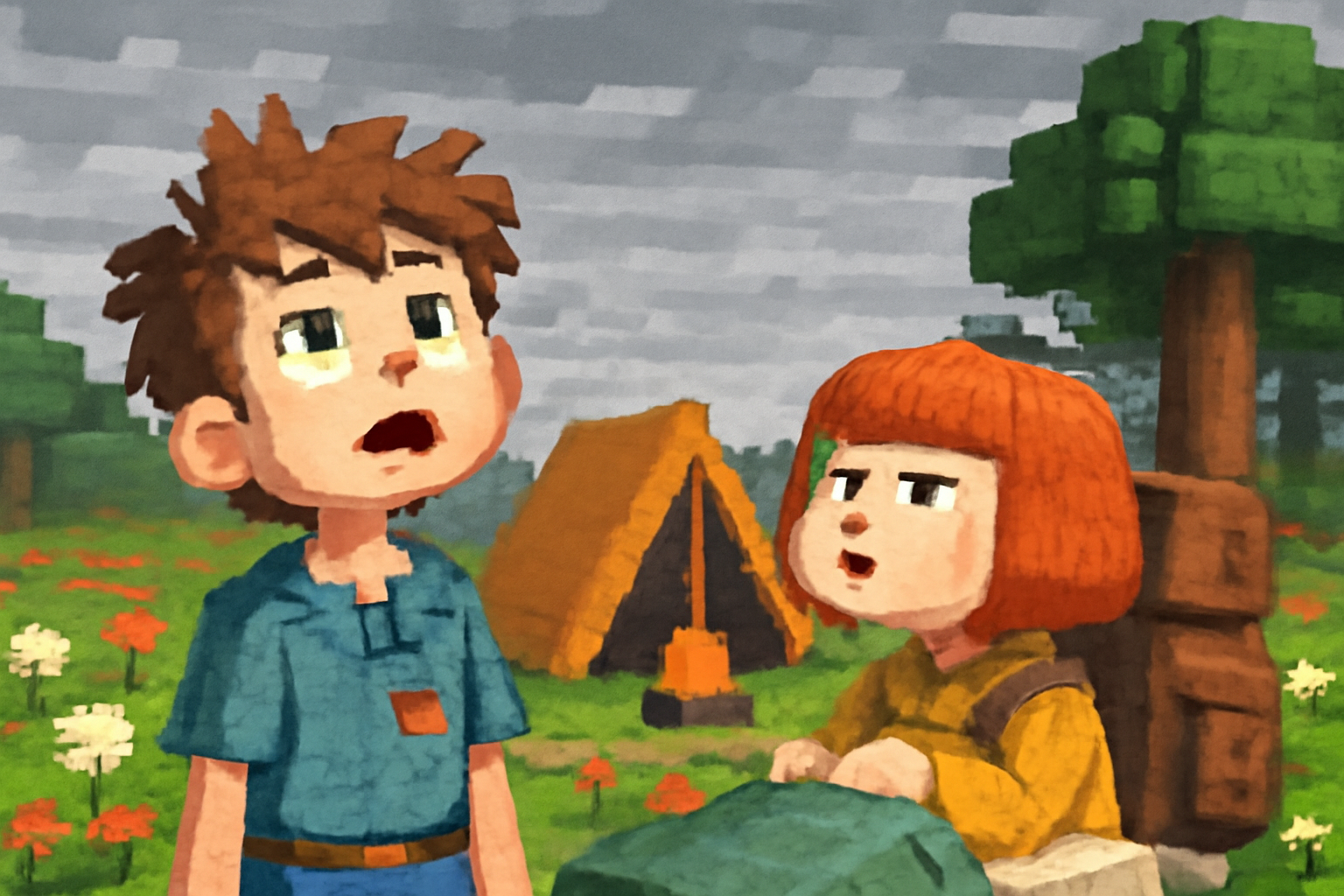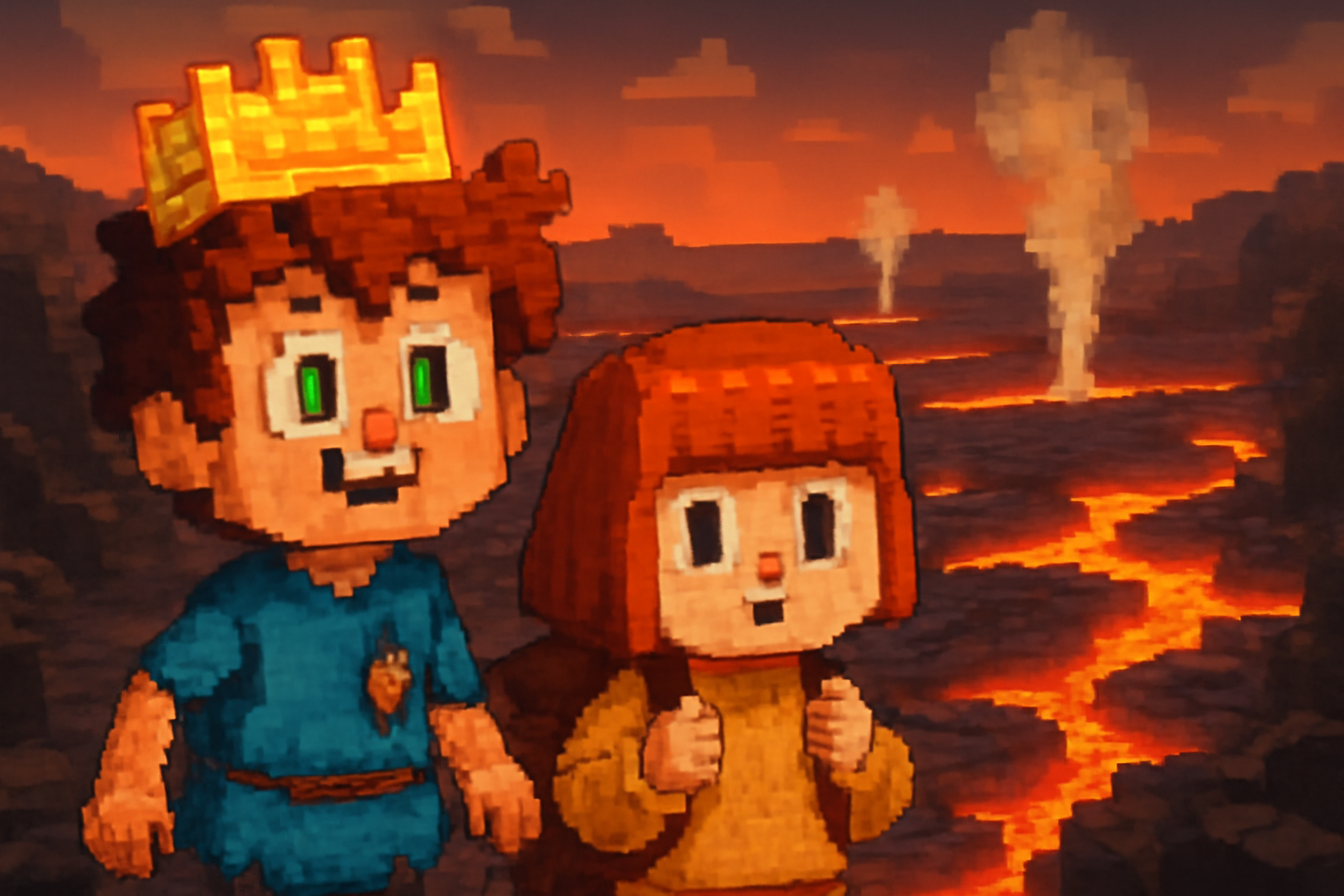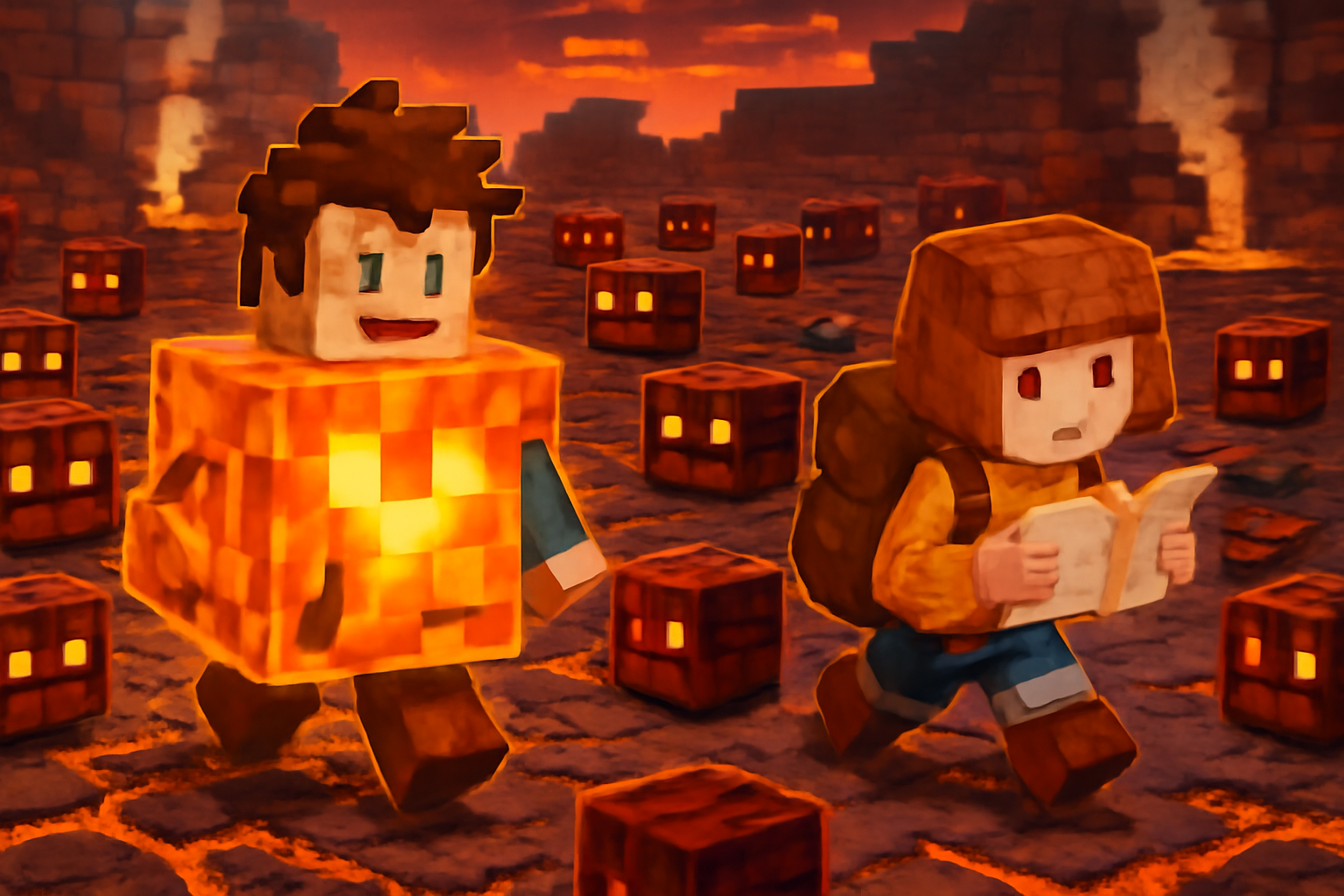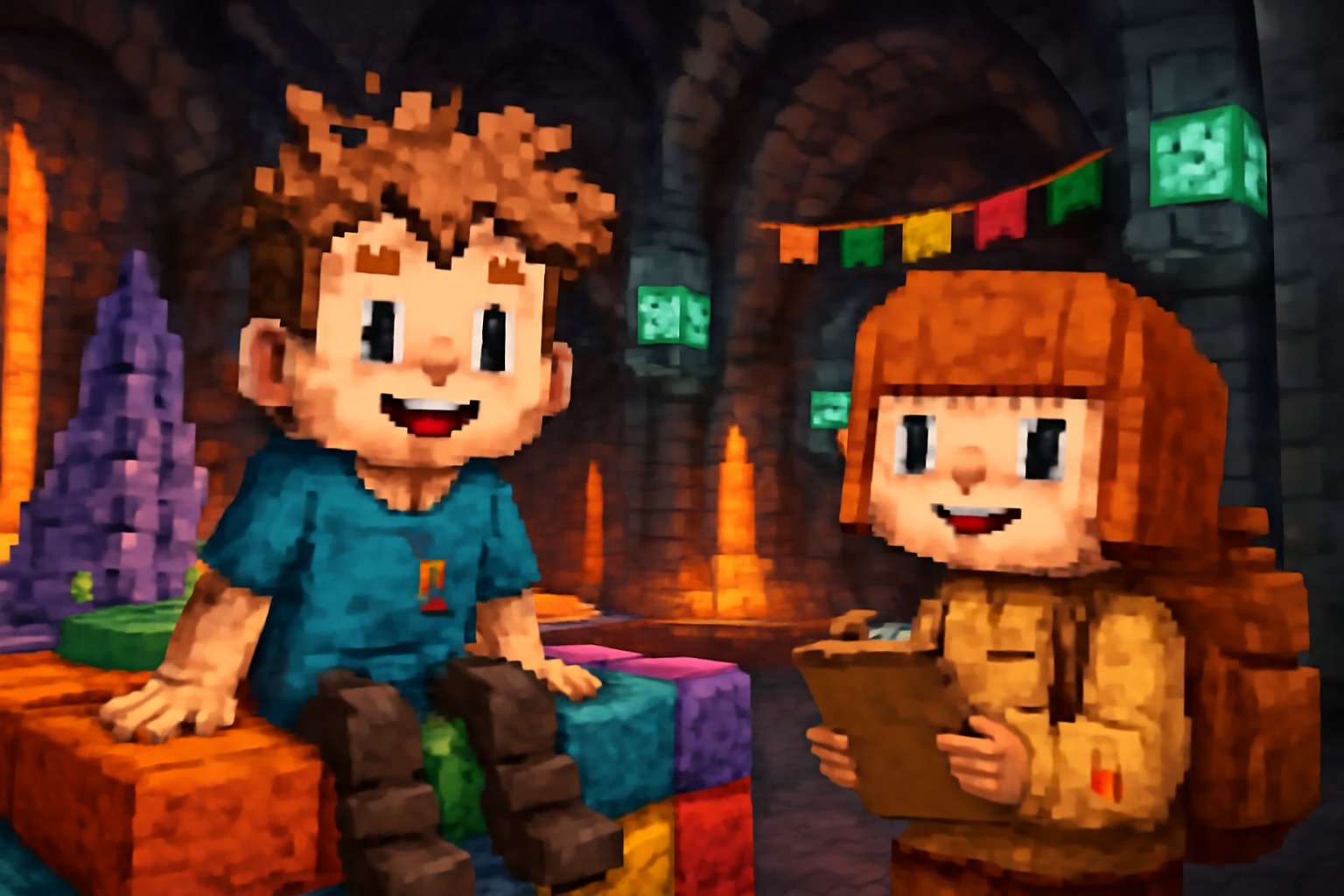
Chapter 5: The Sky Went Gray and Nobody Laughed

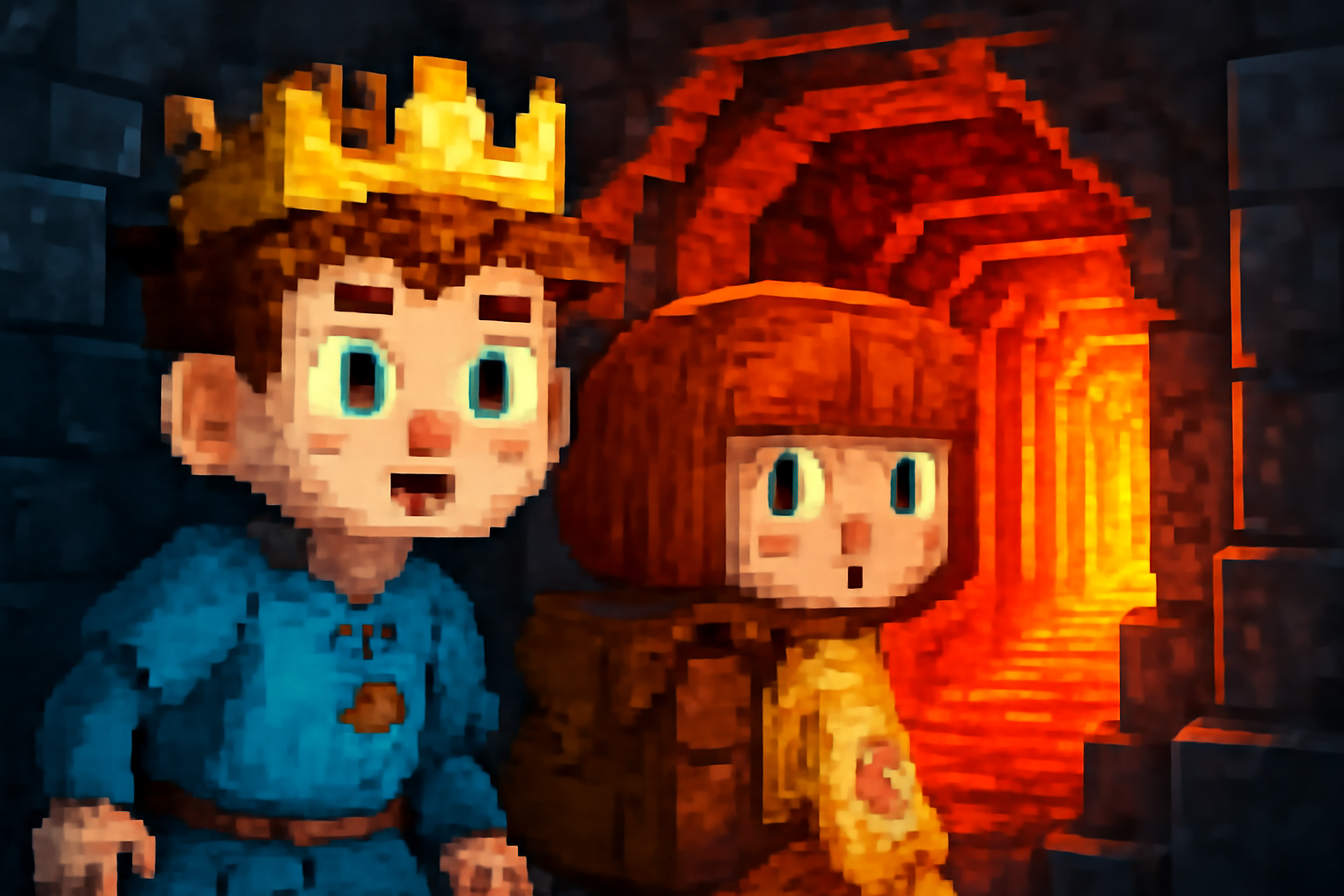
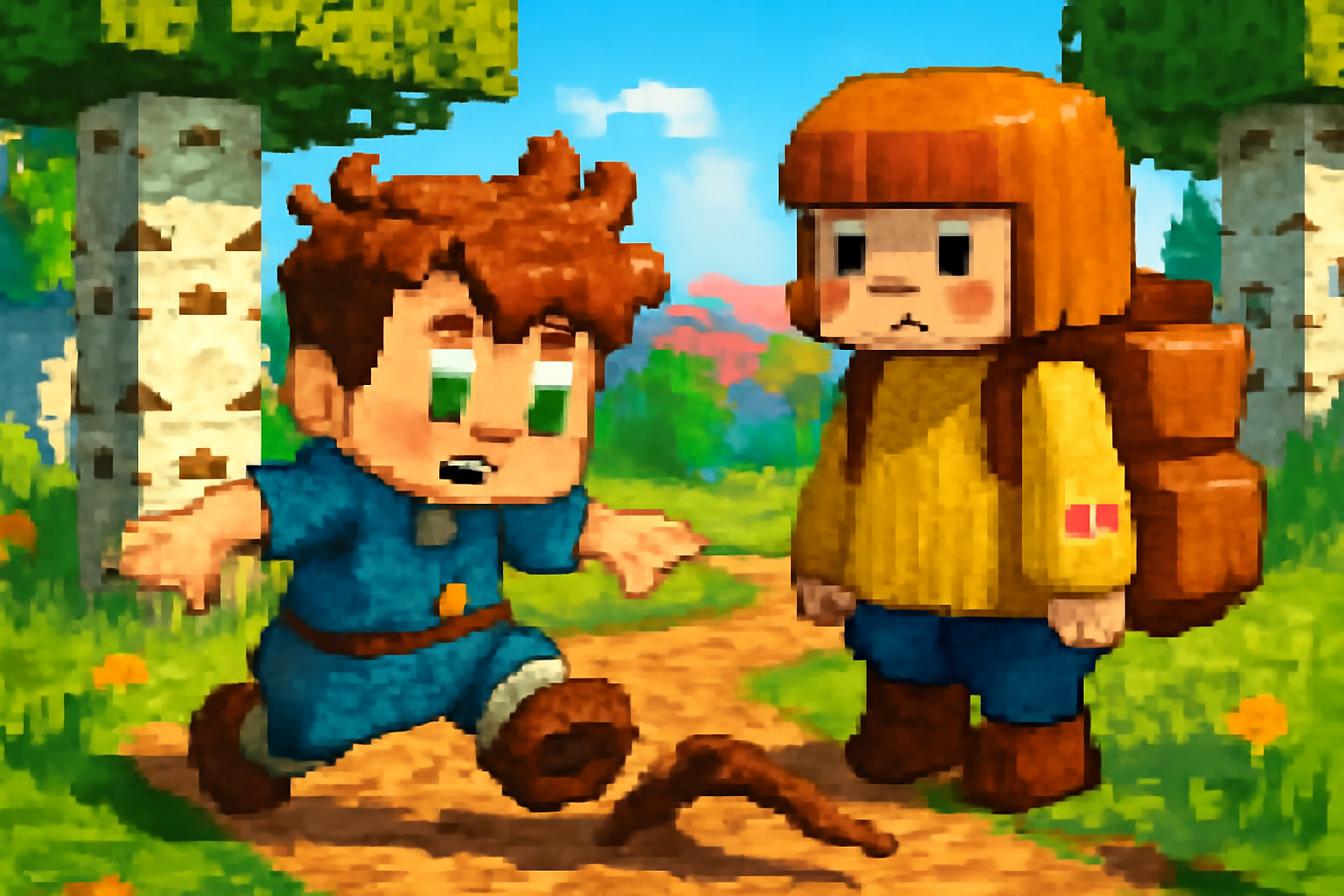
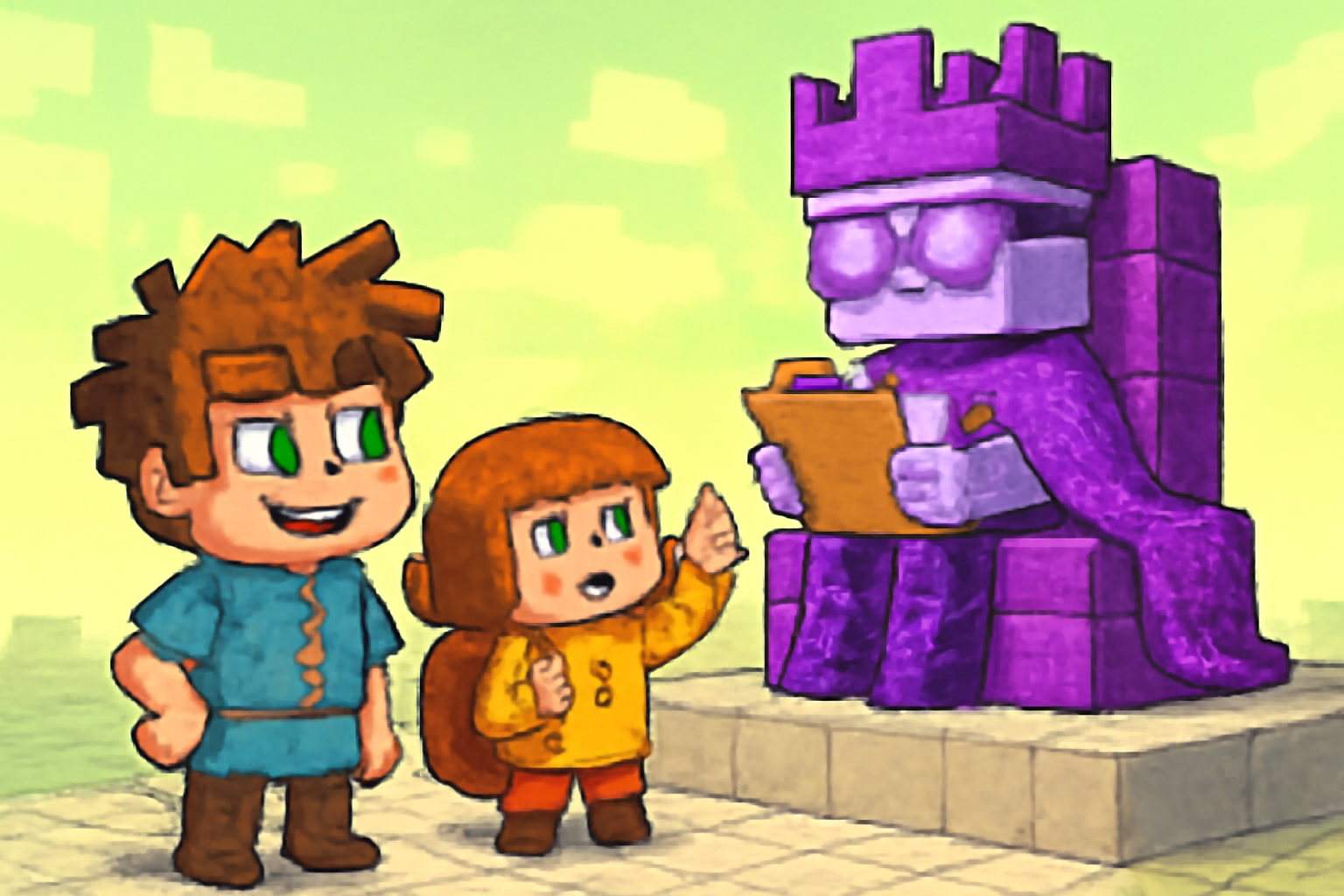
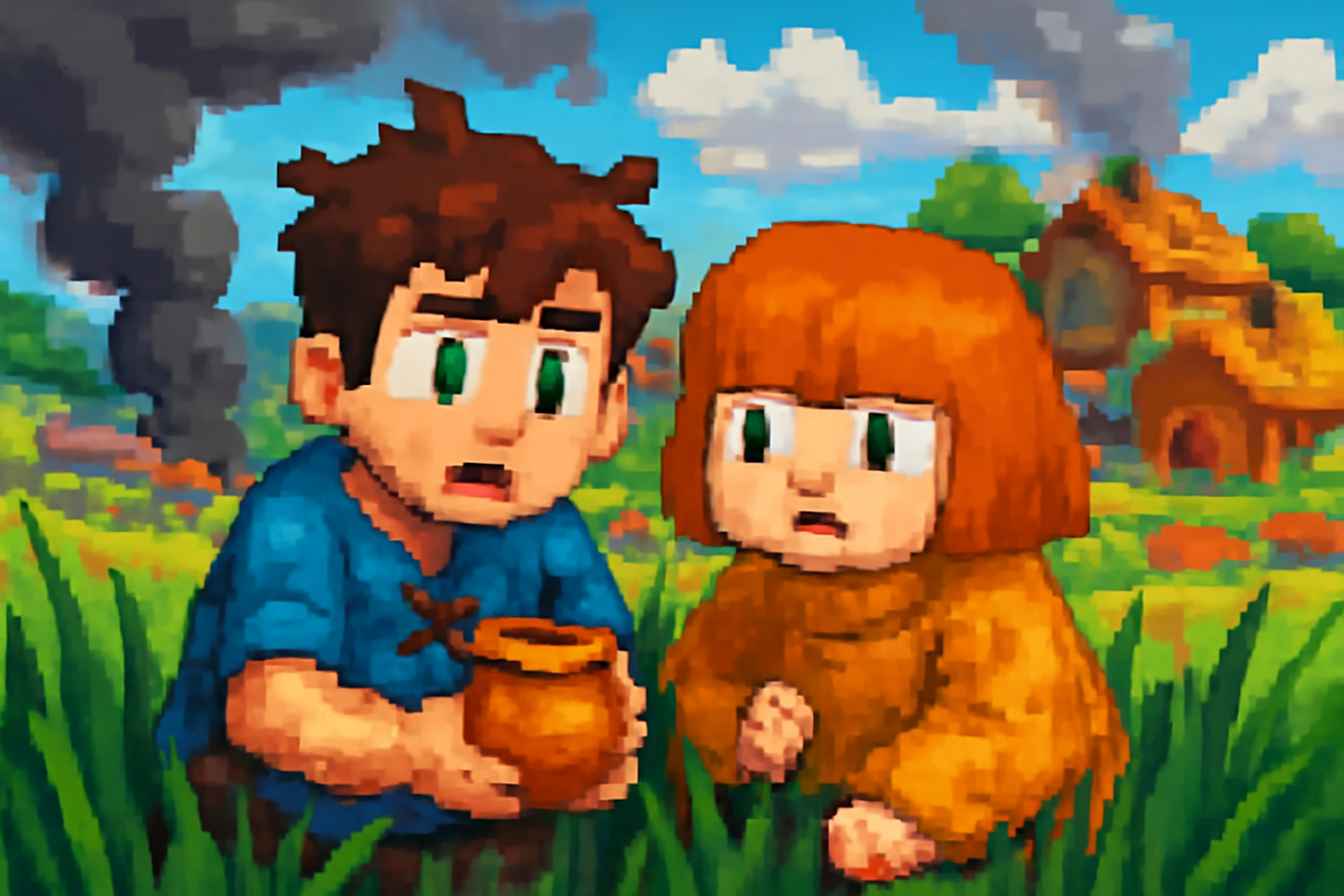
Ollie and Biscuit — Chapter 5, scene 1

No mythological tradition is complete without its understanding of death and what comes after — and no aspect of a culture’s worldview tells you more about what they valued in life. The afterlife myths of any civilization are always, in some sense, a portrait of its highest ideals. That’s what makes a sky that refuses … Read more
Chapter 4: One Very Accidental Victory

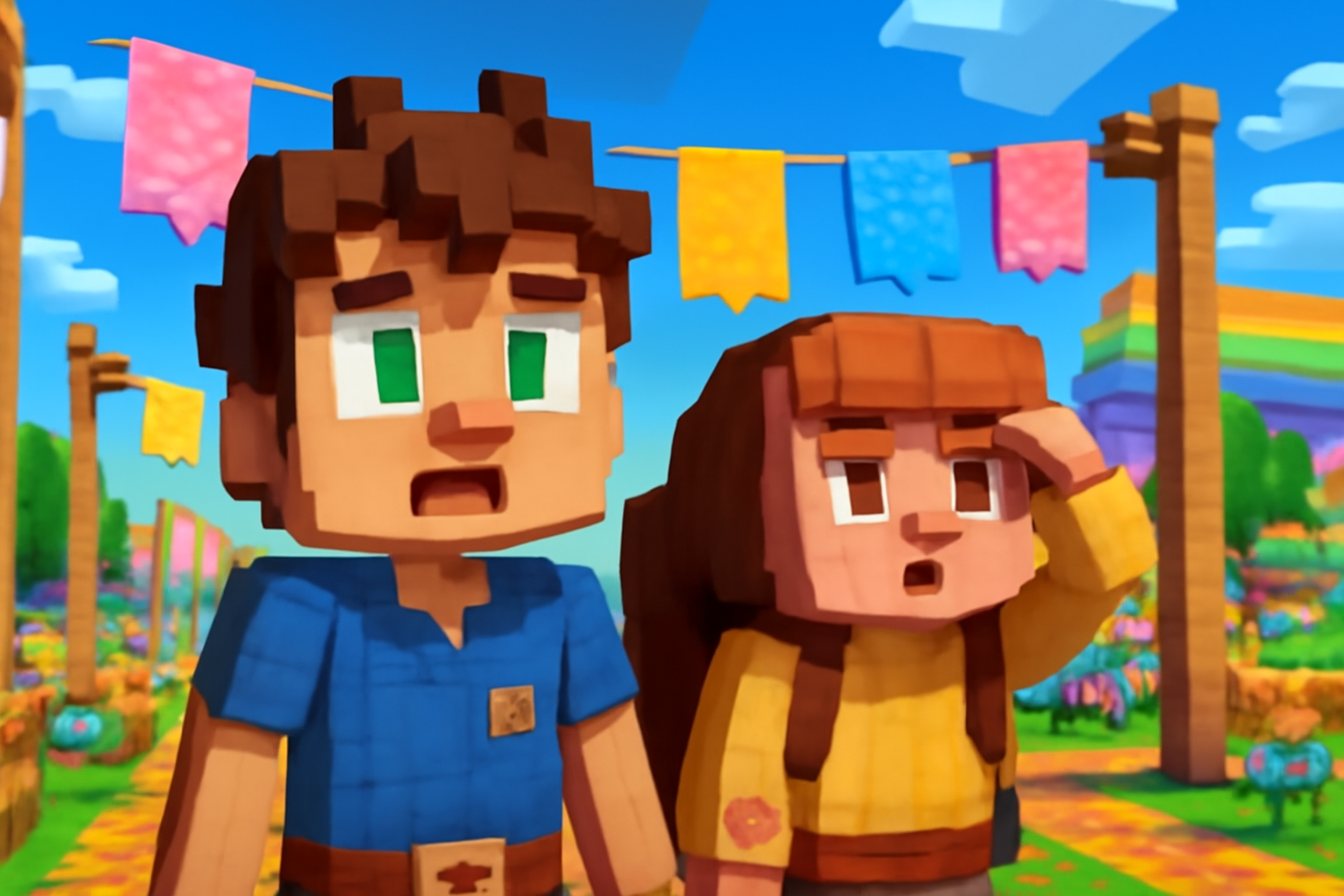
Ollie and Biscuit — Chapter 4, scene 1

The hero’s journey isn’t just a storytelling template — it’s a document of what a culture considered transformative, what trials it thought built character, and what kind of person it most wanted to produce. Reading any legendary hero narrative with that context makes the whole thing richer. What fascinates me most is that the accidental … Read more

Chapter 3: Baron Blaze and the Very Fancy Cape

Ollie and Biscuit — Chapter 3, scene 1

One of the things that keeps me coming back to mythology and legendary history is how directly it connects to the present — not as quaint relics but as the actual root system of ideas we still live with. Pull on almost any modern concept and you’ll find it attached to something thousands of years … Read more

Chapter 17: The Ground Is Shaking and That Is Not Ollie’s Fault This Time

Ollie and Biscuit — Chapter 17, scene 1

The history of civilization is largely the history of conflict — who controls resources, who defines legitimacy, who writes the story afterward. When you study the great wars of legendary and mythological traditions, you’re really studying how human societies process trauma, justify power, and construct identity through narrative. What fascinates me about moments like this … Read more

Chapter 18: Seven Vents, Five Artifacts, and One Spectacular Sneeze

Ollie and Biscuit — Chapter 18, scene 1

My Saturday morning ritual used to be showing up at the university library with no plan and just following citation trails — one footnote leading to a 19th-century translation, which led to a fragmentary text, which opened up an entire mythology I’d never encountered. That kind of discovery is exactly what drew me to this … Read more

Chapter 20: I Meant to Do All of That

Ollie and Biscuit — Chapter 20, scene 1

Before writing systems existed, oral tradition was the entire archive of human knowledge. Stories weren’t entertainment — they were encyclopedias, legal codes, religious texts, and historical records all at once. That’s the lens I always bring when I dig into legendary lore like this. What strikes me about a chapter titled “I Meant to Do … Read more

Chapter 19: The Queen, the Compliment, and the Completely Unexpected Hug

Ollie and Biscuit — Chapter 19, scene 1

Old maps fascinate me — not just as navigation tools but as documents of how people imagined the world, where they placed the edges of the known and the beginning of the mythological. Sacred geography and legendary places reflect something deep about how a culture understood power and meaning. And if you think about it, … Read more

Chapter 2: The Sheep Who Stole the Show

Ollie and Biscuit — Chapter 2, scene 1

Reading legendary lore feels, to me, like taking field notes on a civilization — you’re assembling a picture of how people organized meaning, justified authority, and explained the inexplicable. Every detail is a data point. That’s the mindset I bring to every piece of deep mythological or legendary content I encounter. And sheep — humble, … Read more

Chapter 1: Upside-Down and Absolutely Fine

Ollie and Biscuit — Chapter 1, scene 1

I studied mythology and ancient history at university, and the one thing that struck me across every culture I examined was how consistently people encoded their deepest values, fears, and social structures into their legends — which is exactly why I find these kinds of deep dives so endlessly fascinating. There is something almost universal … Read more

Chapter 10: The Riddle Contest Nobody Asked For

Ollie and Biscuit — Chapter 10, scene 1

Ritual practices in ancient cultures weren’t superstition — they were the technology of meaning, the systematic way a society maintained its connection to the stories that held it together. When you read about ancient rites with that understanding, they stop being strange and start being completely logical. The riddle contest, in particular, is one of … Read more