A Beginner’s Guide to Dante’s Inferno: The Full Plot Summary (Canto by Canto)

A Beginner's Guide to Dante's Inferno: The Full Plot Summary (Canto by Canto)

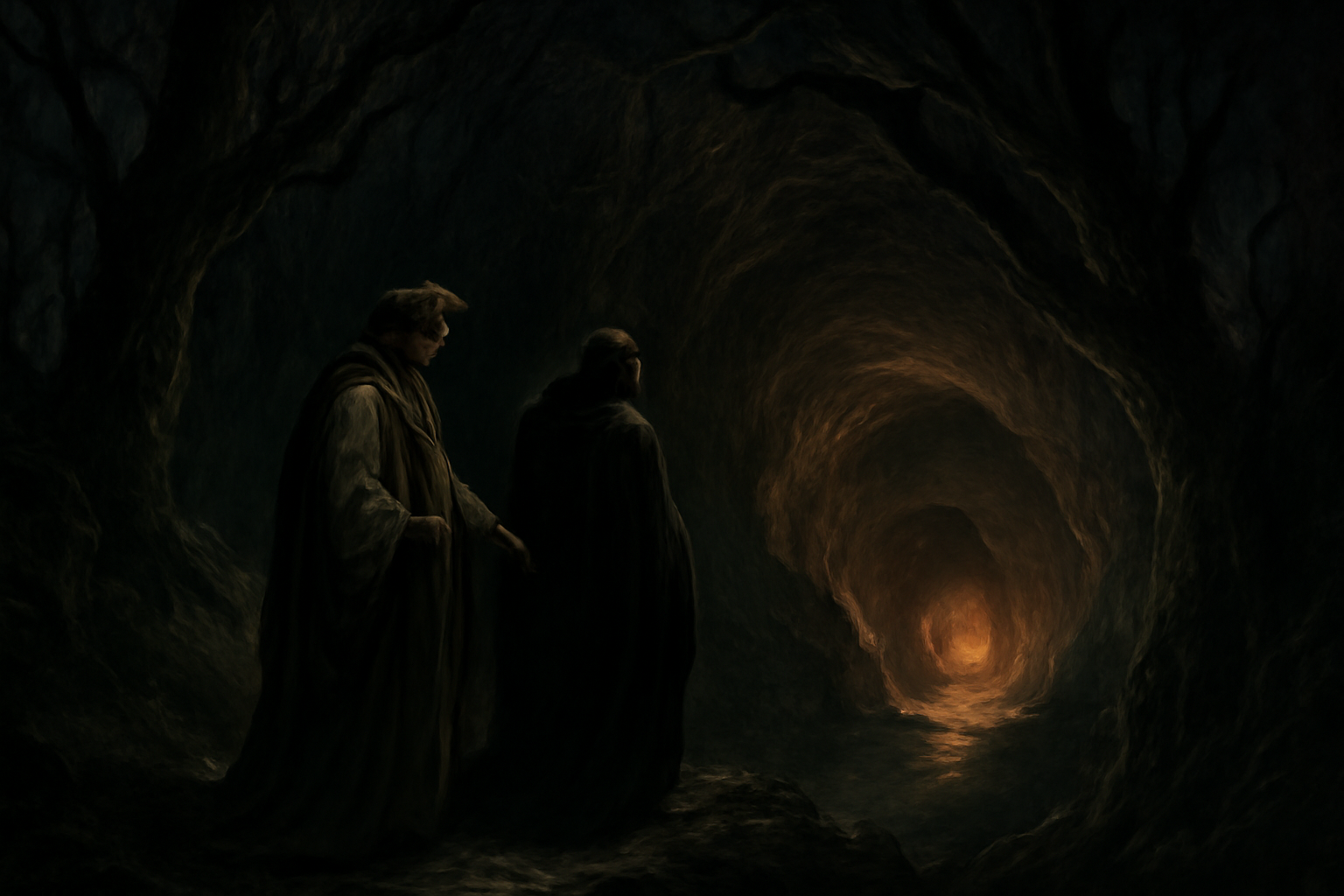
Dante’s Inferno is one of the most influential works in Western literature. It’s the first part of a three-part epic called the Divine Comedy. Written in the early 1300s by Italian poet Dante Alighieri, it remains surprisingly relevant and gripping today. The poem blends theology, politics, and personal emotion into a single narrative. Think of … Read more
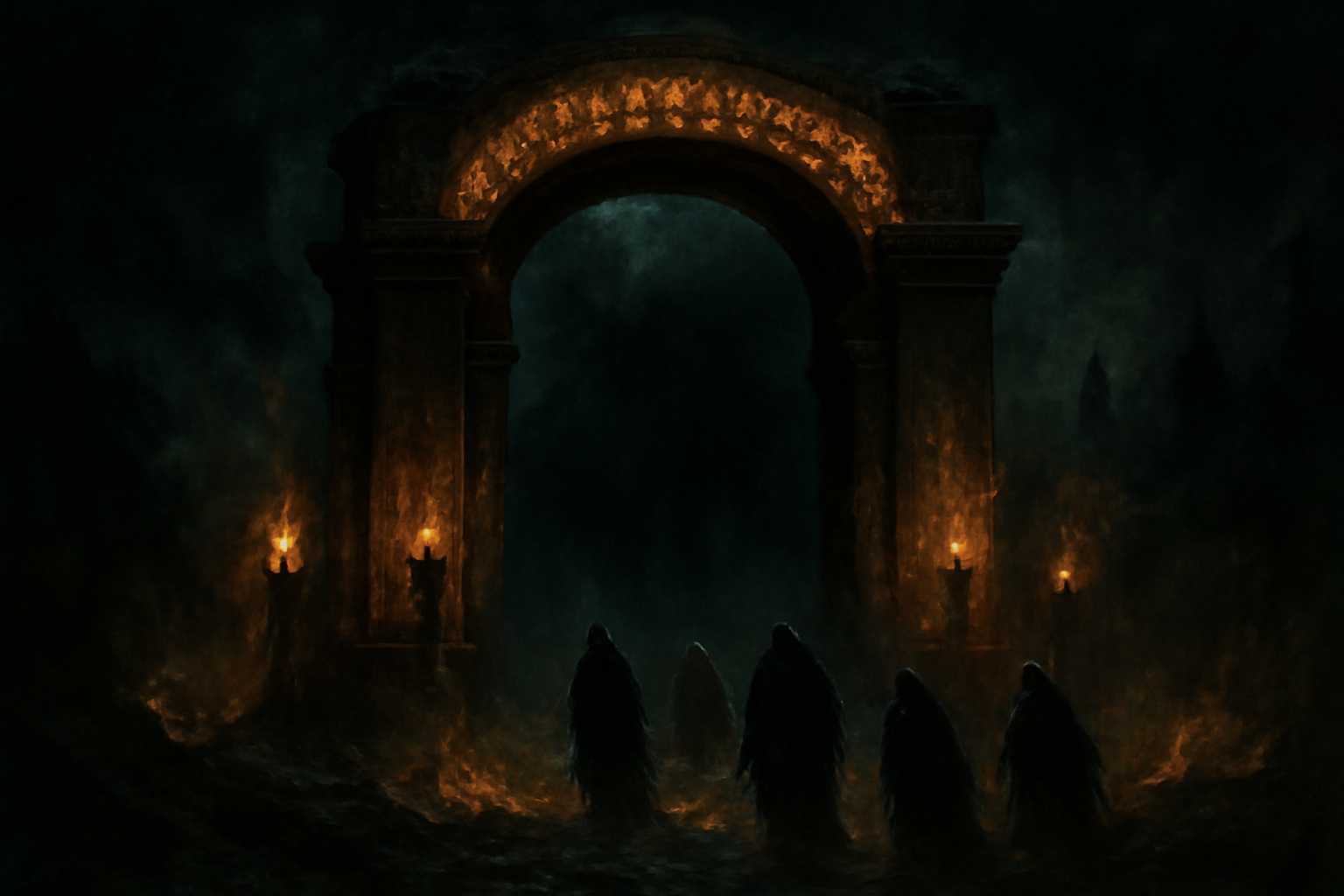
“Abandon All Hope, Ye Who Enter Here”: The Meaning Behind Hell’s Most Famous Inscription

"Abandon All Hope, Ye Who Enter Here": The Meaning Behind Hell's Most Famous Inscription

The full inscription above the Gate of Hell in Dante’s Inferno (Canto III) reads, in the most famous English translation: “Abandon all hope, ye who enter here.” It’s the last line of a nine-line warning, spoken by the gate itself, declaring that Hell is eternal and that anyone who enters has lost any possibility of … Read more

Chapter 16: The Crystal Oasis and a Cactus Who Smiled

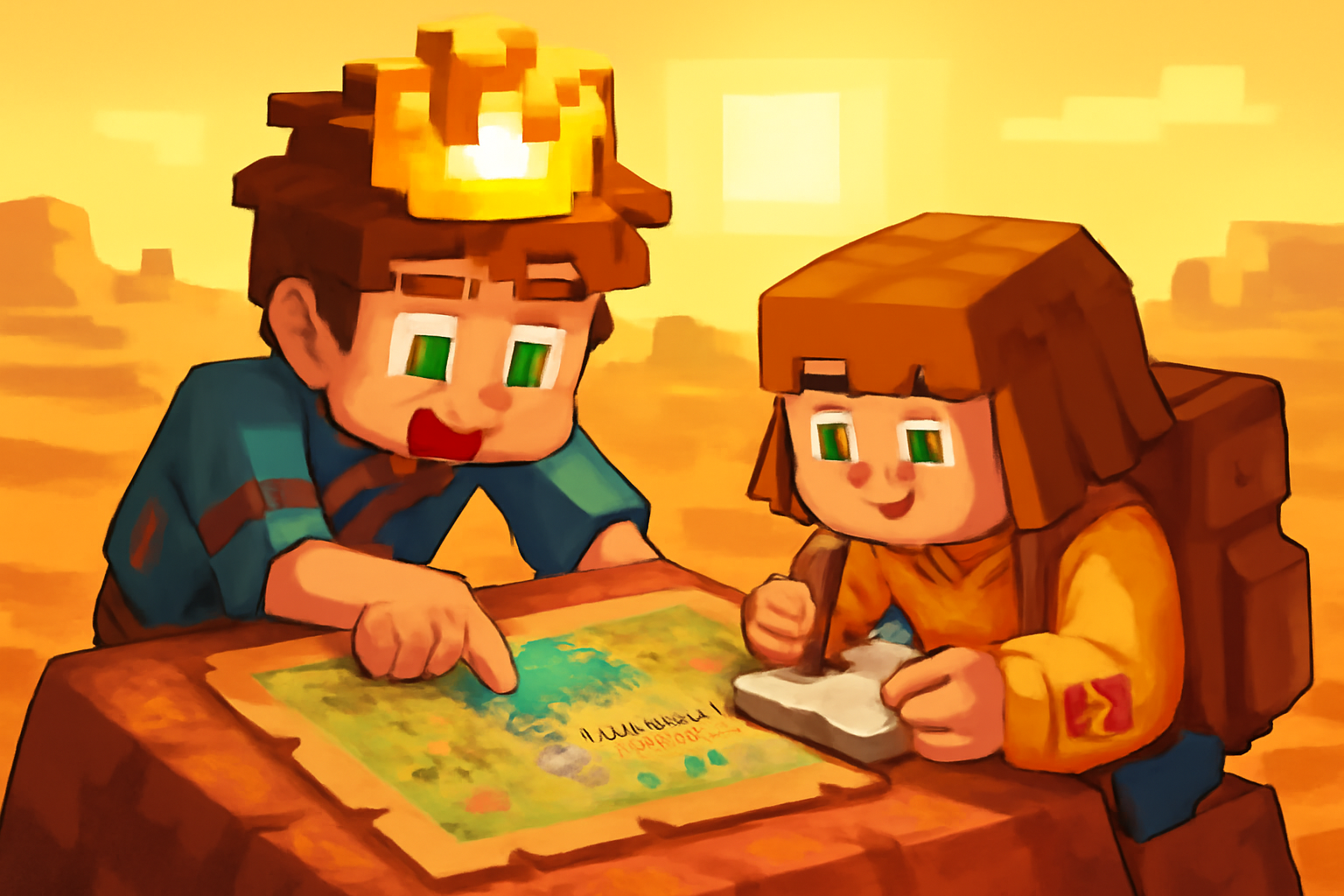
Ollie and Biscuit — Chapter 16, scene 1

The gods of any mythology aren’t arbitrary — they’re a direct map of what a society considered most powerful, most unpredictable, and most worth appeasing. Spend enough time with any pantheon and you’ll understand more about the culture that created it than almost any other source. What strikes me every time I dig into a … Read more

Chapter 15: Captain Cactus Hears a Song

Ollie and Biscuit — Chapter 15, scene 1

Legendary races and peoples — whether in ancient texts or richly constructed fantasy worlds — always reflect something real about how the culture that created them thought about difference, hierarchy, and belonging. That’s what makes studying them so rewarding: you’re always reading two things at once. In Chapter 15, as our narrator and Captain Cactus … Read more

Chapter 14: Grumbleton’s Very Bad Day

Ollie and Biscuit — Chapter 14, scene 1

In every culture I’ve studied, the question of who has access to special knowledge — who can perform rituals, speak to the gods, manipulate the forces of nature — is never purely theological. It’s always about social structure, legitimacy, and the control of meaning. Magic systems, in that sense, are political documents. What makes Grumbleton’s … Read more

Chapter 13: Sand in Every Pocket and Zero Good Directions

Ollie and Biscuit — Chapter 13, scene 1

Founding myths are among the most revealing documents a society produces — they tell you exactly what that society considered worth celebrating, what origins they wanted to claim, and what values they wanted to install at the root of their identity. No origin story is accidental. That lens becomes fascinating when you apply it to … Read more

Chapter 12: The Most Accidentally Elegant Build in History

Ollie and Biscuit — Chapter 12, scene 1

Sacred sites and legendary places hold a special interest for me because they exist at the intersection of physical geography and cultural meaning — real locations transformed by story into something mythological. Everywhere humans have lived, they’ve done this, and the consistency of the impulse is remarkable. What fascinates me is how accidental beauty so … Read more

Chapter 11: Blocks Everywhere, Plans Mostly Intact

Ollie and Biscuit — Chapter 11, scene 1

I’ve always treated great fantasy chronicles the same way I treat historical texts — as documents that reveal something true about the people and values that created them, even when the events themselves are fictional. The best legends work that way: the “accuracy” is never the point. What draws me to a chapter like this … Read more

Chapter 9: Purple Footprints and a Very Organized Villain

Ollie and Biscuit — Chapter 9, scene 1

Iconography and symbolism are where mythology gets genuinely dense — every object, animal, color, and gesture carries accumulated meaning that can take years to fully unpack. That layering is exactly what I find most compelling about diving deep into any mythological tradition. Purple, for instance, is never just a color in legendary and historical traditions … Read more