Dante’s Inferno: The Nine Circles of Hell Explained (Complete Guide)

Dante's Inferno: The Nine Circles of Hell Explained (Complete Guide)

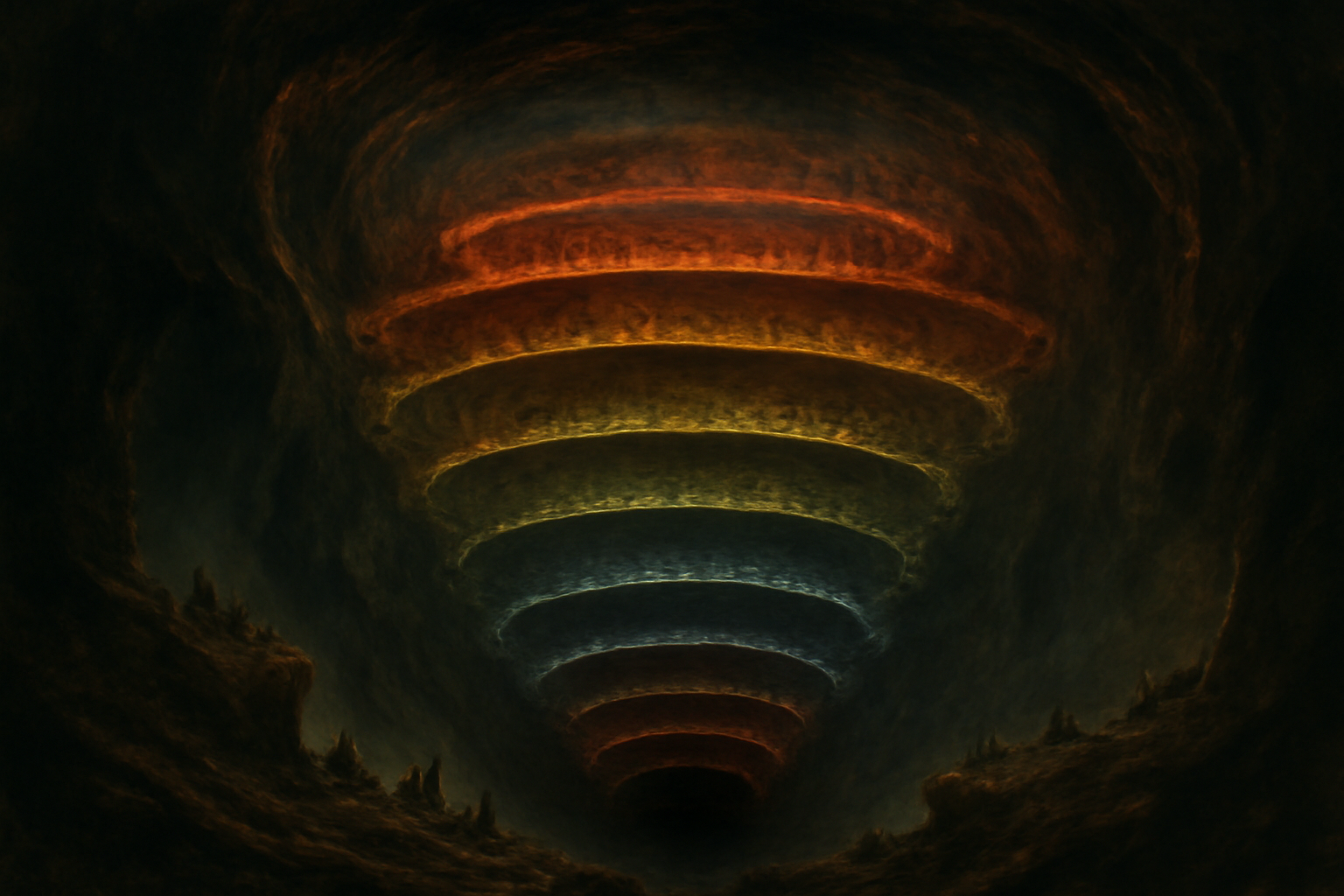
Dante Alighieri wrote the Inferno in the early 1300s. His medieval vision of Hell shaped how the West imagines damnation. Before Dante, Hell was abstract theology. After him, it became vivid, specific, and unforgettable. Every circle has its own logic, its own torment, and its own moral lesson. Understanding these nine circles means understanding one … Read more
The Spiritual Meaning of Dante’s Inferno: Why the Way Down Is the Way Up

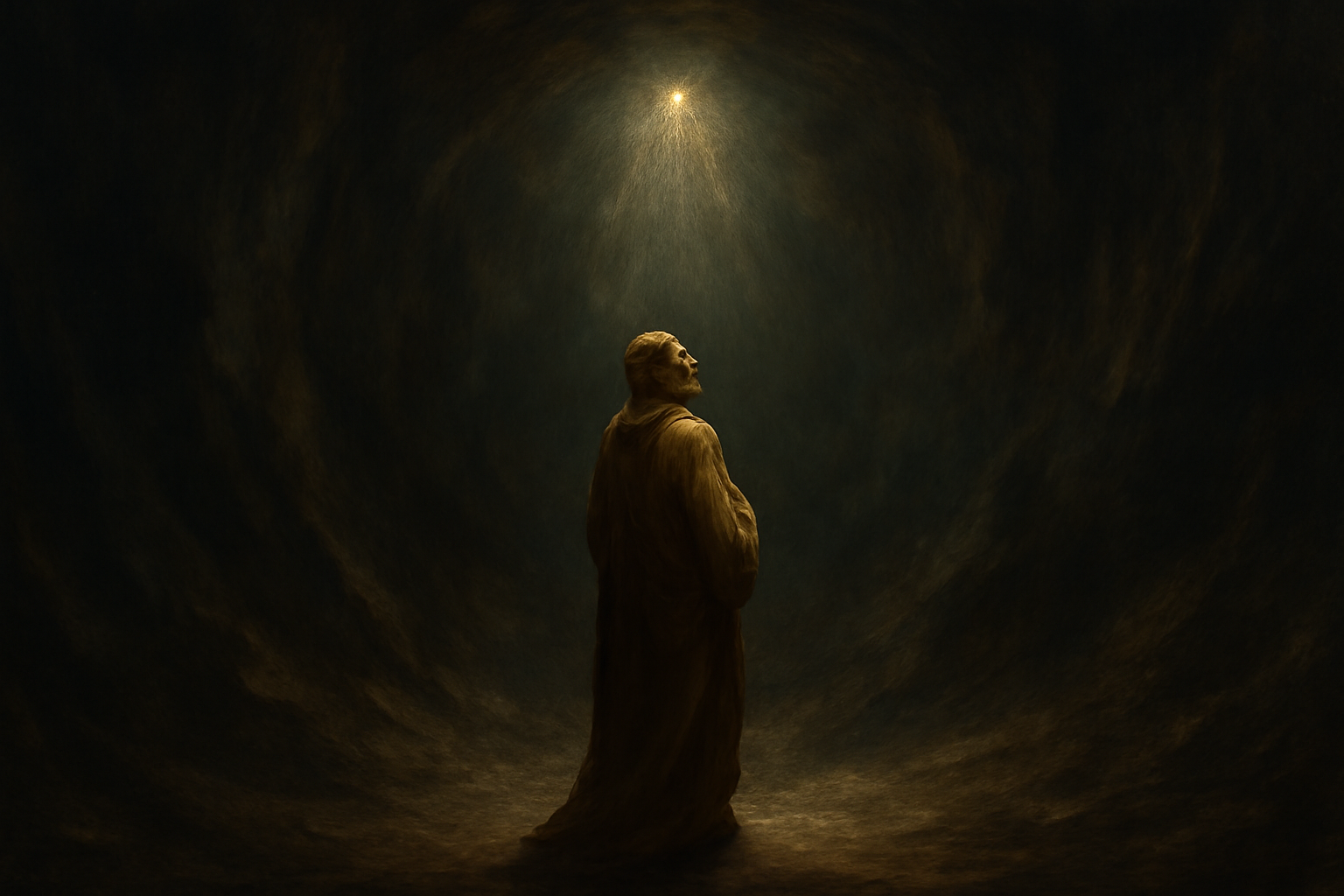
A figure at the lowest point of Hell looking upward toward distant stars — the spiritual turning point in Dante's Inferno

“`html Dante Alighieri’s Inferno is often misread as a medieval torture catalog—a sensationalized inventory of punishment and pain. But this interpretation misses the poem’s spiritual architecture entirely. The Inferno is not Dante’s destination. It is his diagnosis. And like any honest diagnosis, it wounds before it heals. What makes the spiritual meaning of Dante’s Inferno … Read more

Contrapasso: How Every Punishment in Dante’s Inferno Fits the Sin

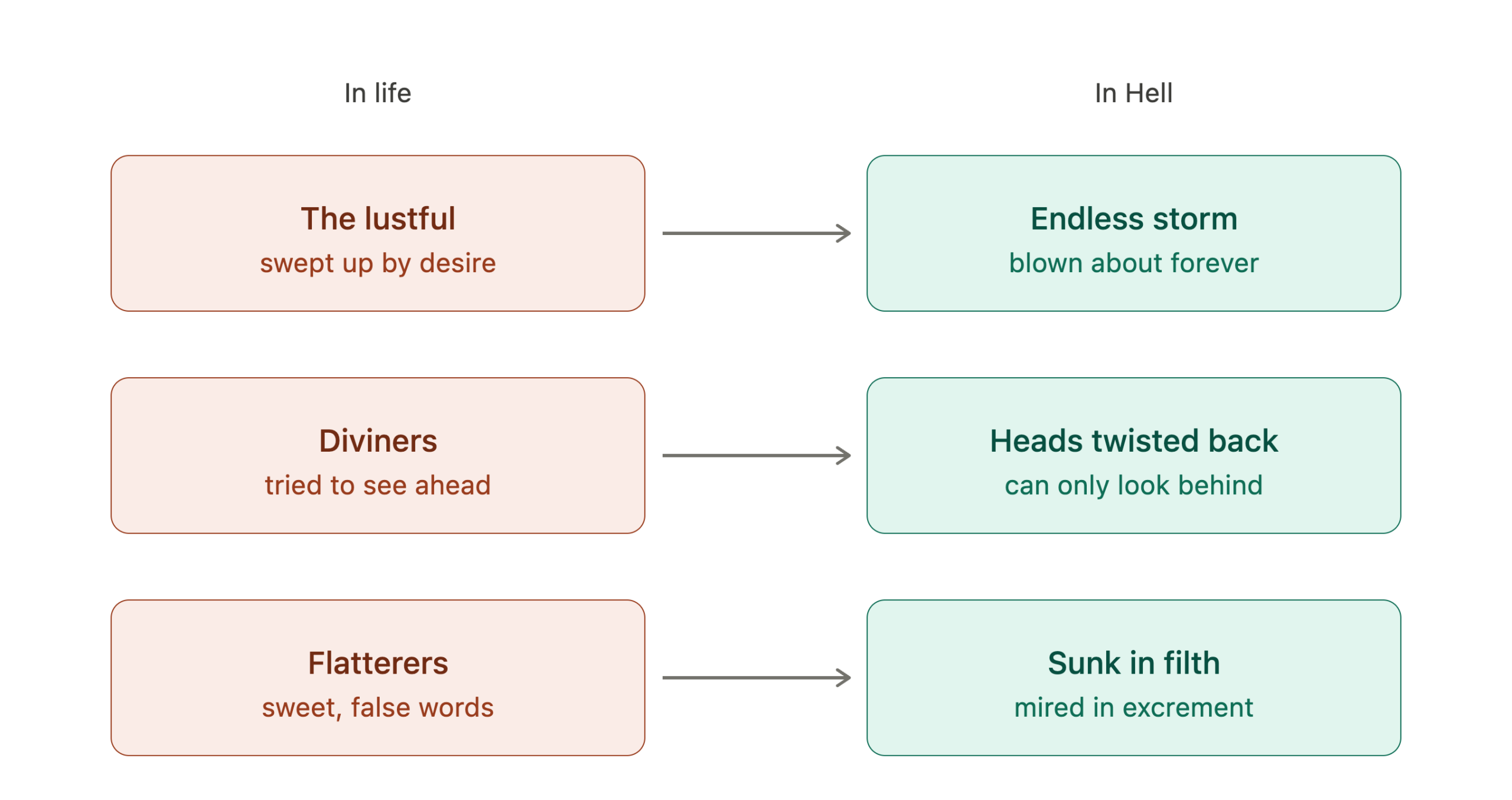
Diagram showing three examples of contrapasso: the lustful blown by storms, diviners with heads twisted back, flatterers sunk in filth

Dante Alighieri’s Inferno is many things: visionary epic, theological argument, political revenge fantasy. But its true genius lies in a single organizing principle—one that transforms the entire poem into a work of profound moral imagination. That principle is contrapasso. The word comes from Latin: “contra” (against) and “patior” (to suffer). Contrapasso means this: each sinner’s … Read more

Satan in Dante’s Inferno: The Frozen Ninth Circle and the Three-Faced Devil

Satan in Dante's Inferno: The Frozen Ninth Circle and the Three-Faced Devil

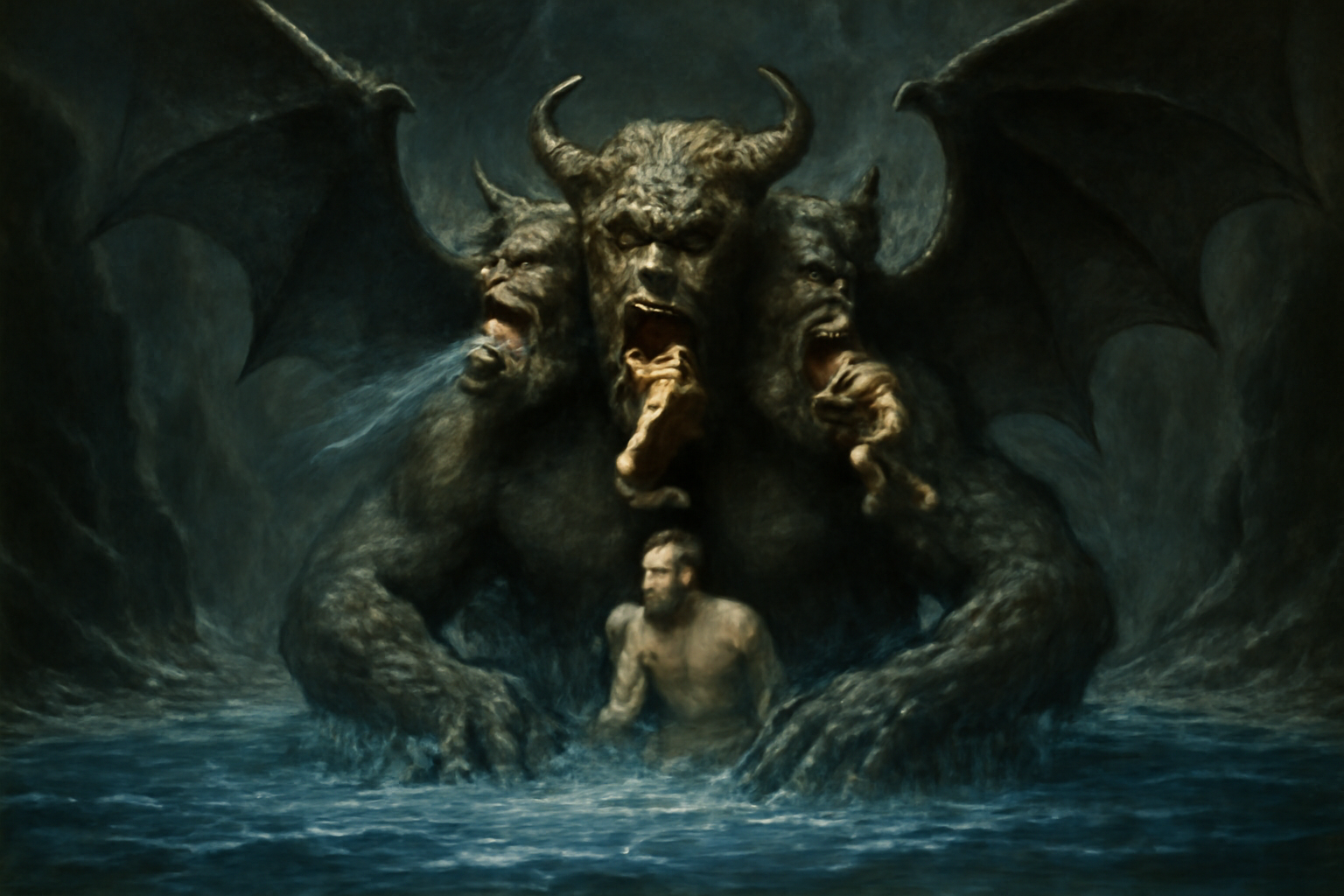
When most people imagine Hell, they picture flames. Sulfurous pits. Demons with pitchforks. Fire, fire, everywhere. Dante Alighieri had a radically different vision. In his epic poem The Divine Comedy, the deepest, most terrible circle of Hell is not blazing—it is frozen solid. Cocytus, the ninth circle, is a lake of ice. And the further … Read more

A Beginner’s Guide to Dante’s Inferno: The Full Plot Summary (Canto by Canto)

A Beginner's Guide to Dante's Inferno: The Full Plot Summary (Canto by Canto)

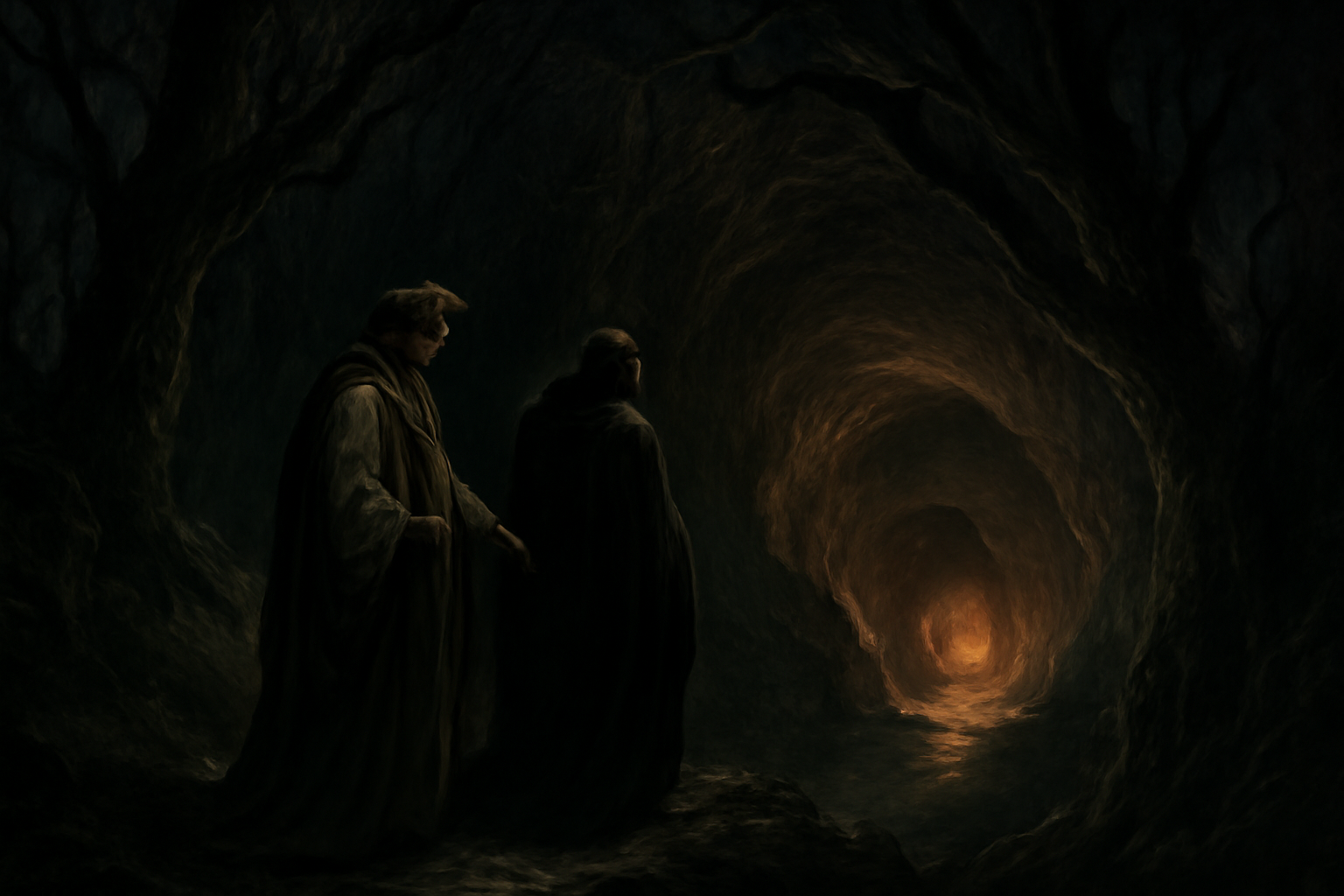
Dante’s Inferno is one of the most influential works in Western literature. It’s the first part of a three-part epic called the Divine Comedy. Written in the early 1300s by Italian poet Dante Alighieri, it remains surprisingly relevant and gripping today. The poem blends theology, politics, and personal emotion into a single narrative. Think of … Read more

“Abandon All Hope, Ye Who Enter Here”: The Meaning Behind Hell’s Most Famous Inscription

"Abandon All Hope, Ye Who Enter Here": The Meaning Behind Hell's Most Famous Inscription

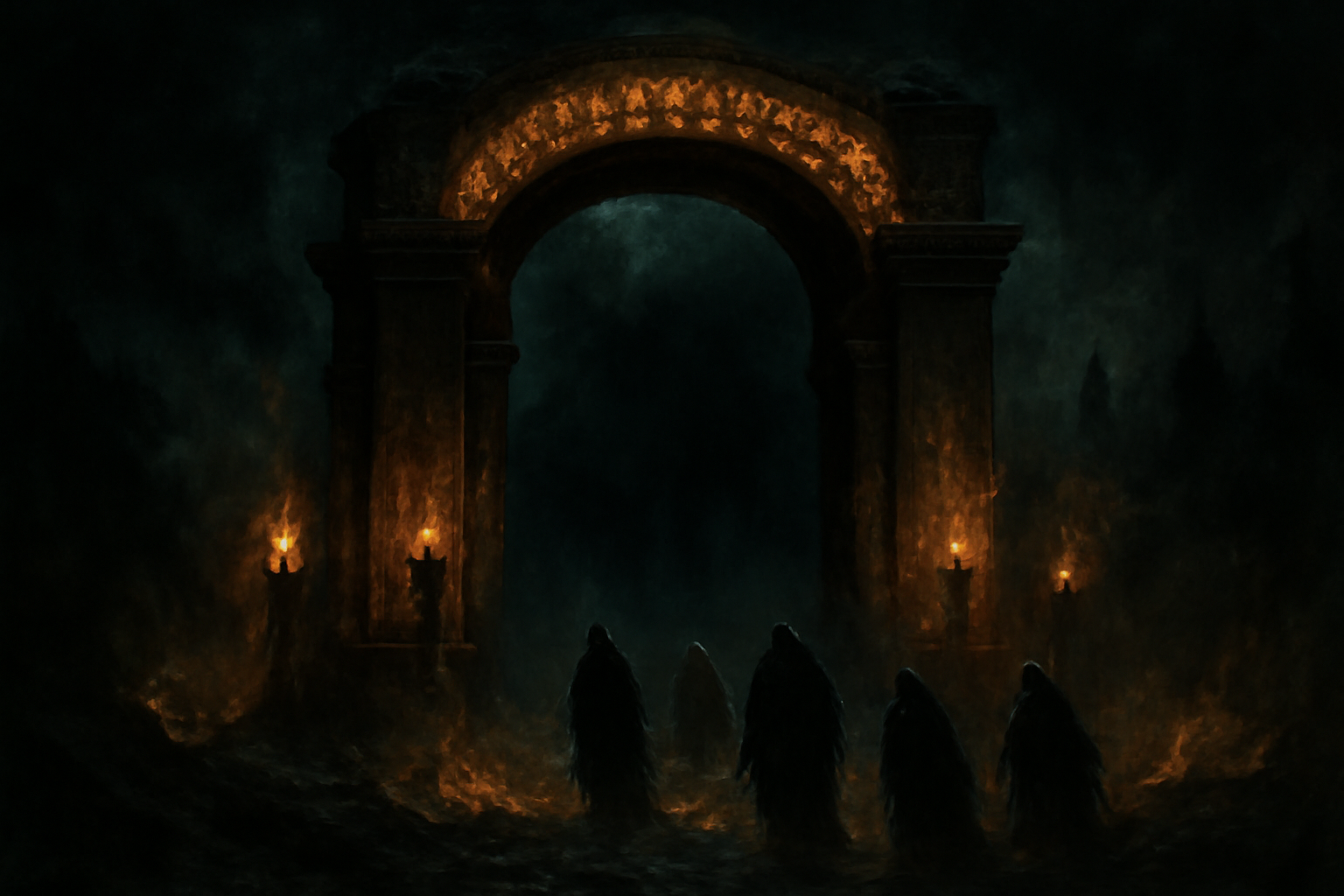
Dante Alighieri stands before a gate. Behind it lies Hell itself. The inscription carved into that threshold has echoed through seven centuries of Western culture, appearing in everything from video games to political cartoons. Yet few readers know what the full inscription actually says—or why a single line from it became perhaps the most quoted … Read more