Chapter 19: The Queen, the Compliment, and the Completely Unexpected Hug

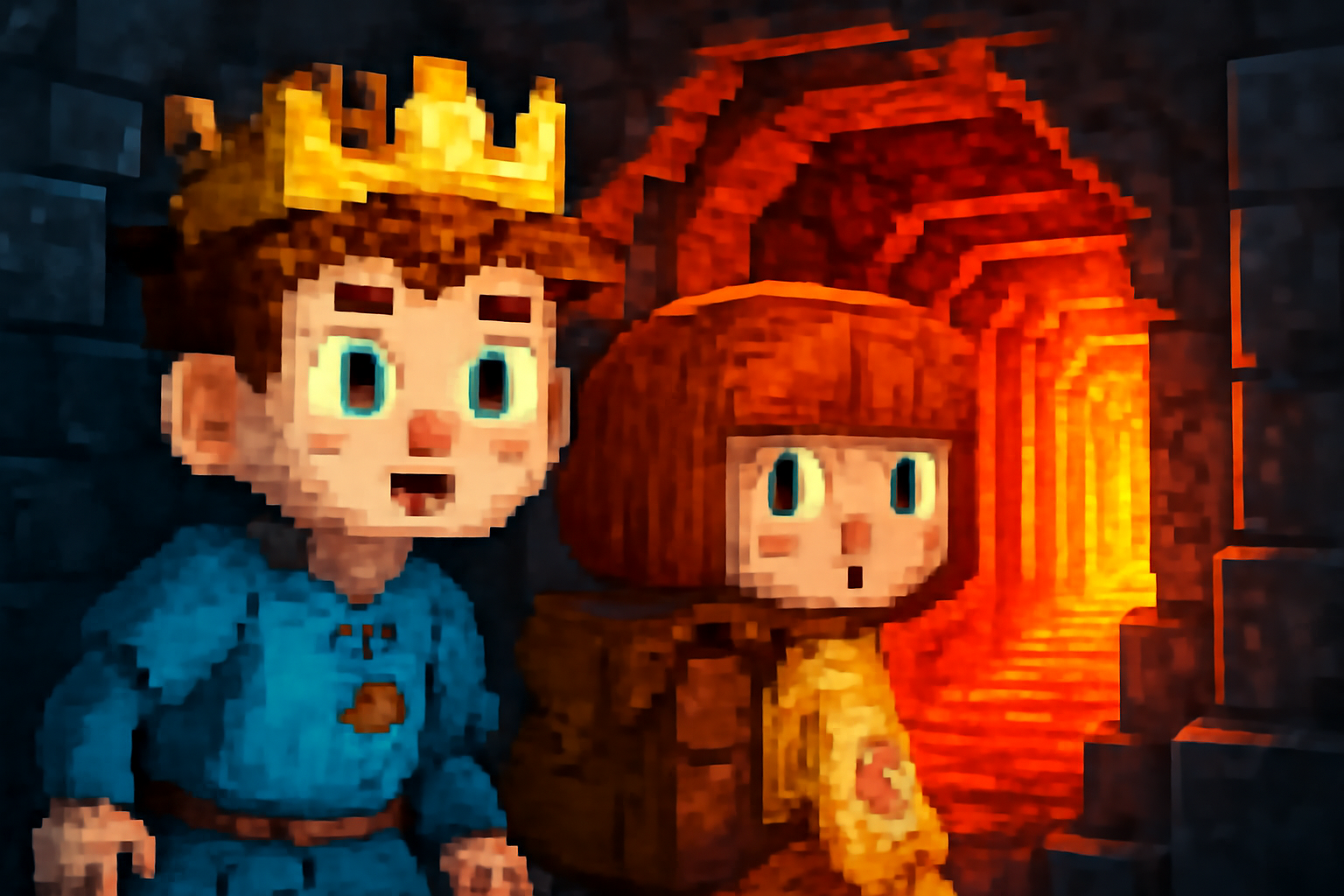
Ollie and Biscuit — Chapter 19, scene 1

Old maps fascinate me — not just as navigation tools but as documents of how people imagined the world, where they placed the edges of the known and the beginning of the mythological. Sacred geography and legendary places reflect something deep about how a culture understood power and meaning. And if you think about it, … Read more

Chapter 2: The Sheep Who Stole the Show

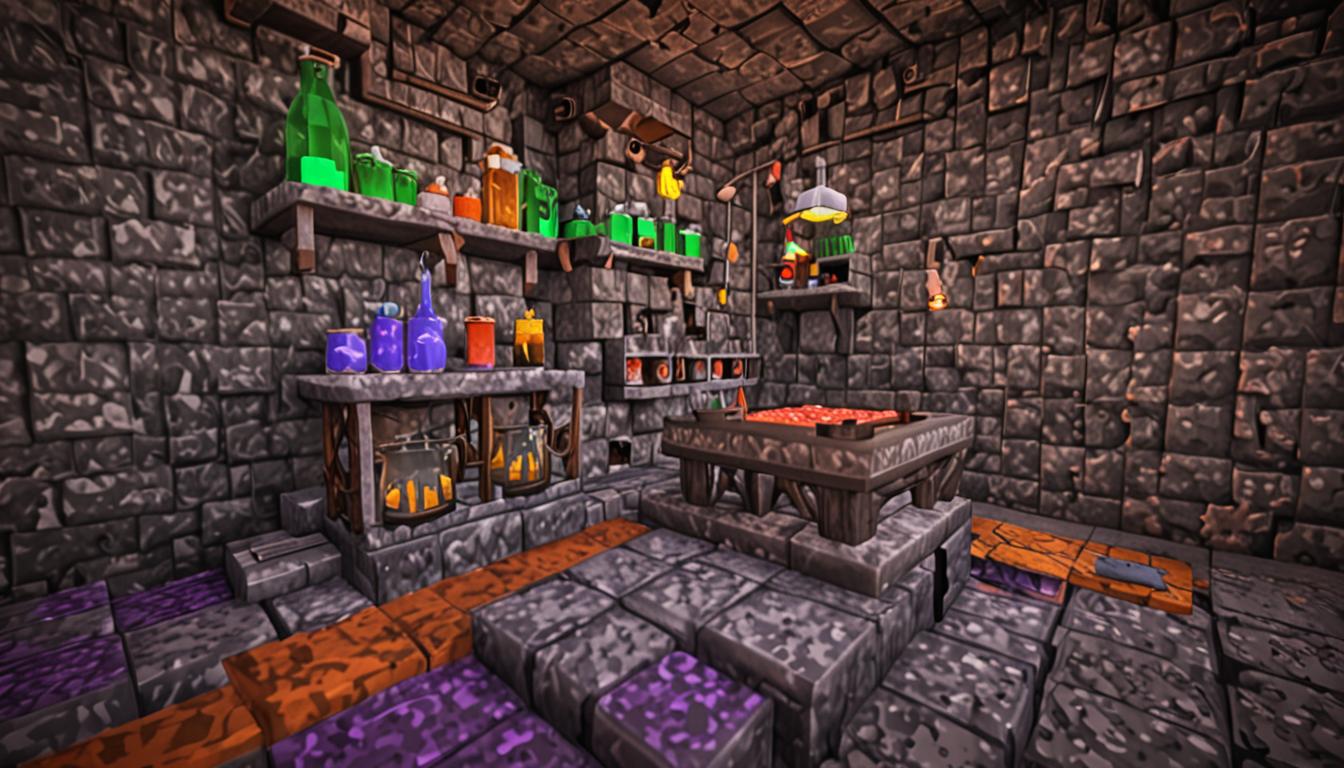
Ollie and Biscuit — Chapter 2, scene 1

Reading legendary lore feels, to me, like taking field notes on a civilization — you’re assembling a picture of how people organized meaning, justified authority, and explained the inexplicable. Every detail is a data point. That’s the mindset I bring to every piece of deep mythological or legendary content I encounter. And sheep — humble, … Read more

Chapter 1: Upside-Down and Absolutely Fine

Ollie and Biscuit — Chapter 1, scene 1

What you won’t find in glossy retellings or superhero origin stories is the sheer *ordinariness* of how transformative figures actually arrive in the world—not through prophetic fanfare, but through spectacle, confusion, and the kind of undignified entry that makes witnesses question whether anything meaningful just happened at all. Yet across mythology, this pattern repeats with … Read more

What Is Dionysus’ Symbol? The Main Symbols of the Greek Wine God

What Is Dionysus Symbol? The Main Symbols of the Greek Wine God

Introduction: Why Dionysus’ Symbols Still Fascinate Us Today I’ve spent years diving deep into Greek mythology, and few figures have captured my imagination quite like Dionysus — the god of wine, ecstasy, fertility, and theatre. If you’ve ever wondered what is Dionysus’ symbol, the short answer is this: his most iconic and primary symbol is … Read more

Chapter 10: The Riddle Contest Nobody Asked For

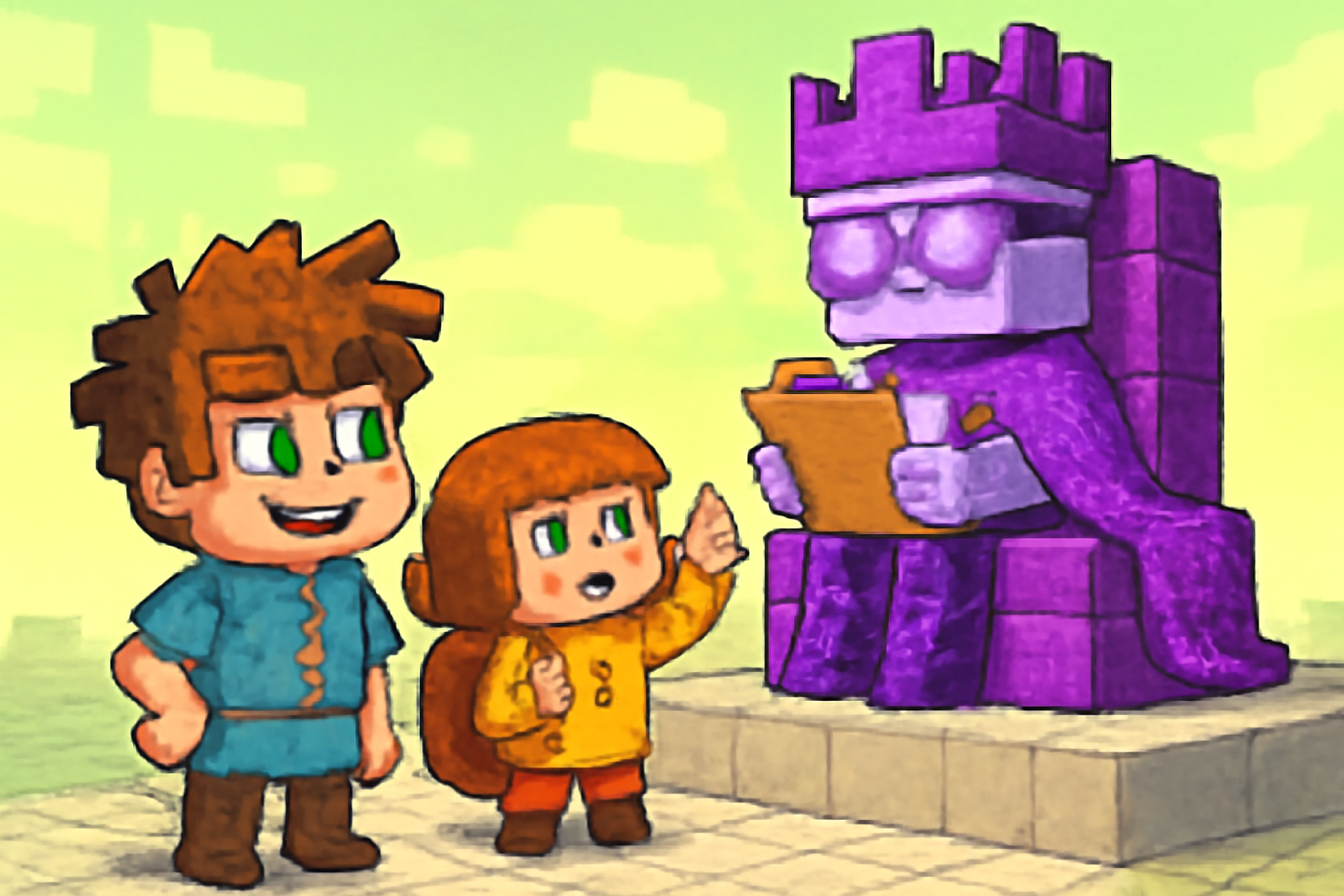
Ollie and Biscuit — Chapter 10, scene 1

Ritual practices in ancient cultures weren’t superstition — they were the technology of meaning, the systematic way a society maintained its connection to the stories that held it together. When you read about ancient rites with that understanding, they stop being strange and start being completely logical. The riddle contest, in particular, is one of … Read more

The Myths of Dionysus: From Birth to Divine Ascension

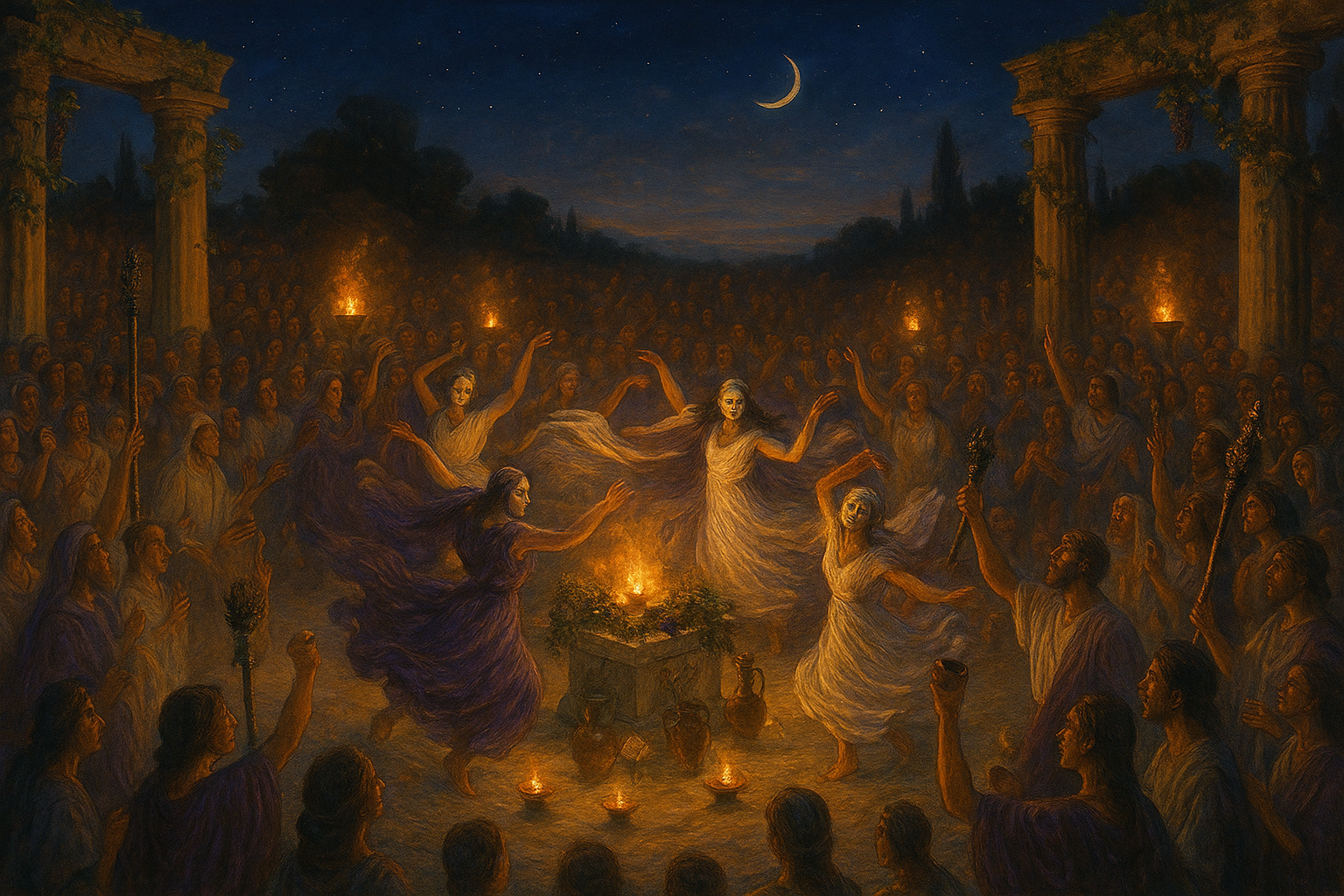
A dramatic ancient Greek ceremonial scene unfolds in a torch-lit outdoor amphitheater at dusk, where hundreds of devotees gather in flowing white and purple robes to honor Dionysus through sacred rituals. In the center, masked dancers whirl ecstatically around a marble altar adorned with grapevines, wine amphoras, and flickering oil lamps, their movements creating dynamic swirls of fabric against the golden firelight. The crowd forms concentric circles, some participants holding thyrsus staffs topped with pinecones and ivy, others raising wine cups toward the darkening sky filled with stars. Ancient stone columns draped in grape clusters and ivy frame the scene, while the warm glow of braziers illuminates faces expressing joy, reverence, and spiritual connection. The atmosphere pulses with communal energy as wine flows freely, musicians play reed pipes and drums in the shadows, and the entire gathering moves in harmonious celebration beneath a crescent moon, embodying the intoxicating power and divine ecstasy associated with the god of wine and revelry.

Ancient Greek mythology presents few figures as complex and fascinating as Dionysus, the god of wine, ecstasy, and divine madness. His journey from miraculous birth to divine recognition weaves through some of mythology’s most captivating tales. Moreover, these stories reveal profound themes about transformation, acceptance, and the struggle between civilization and wild nature. The Miraculous … Read more

Dionysus: The Greek God of Wine, Ecstasy, and Ritual Madness

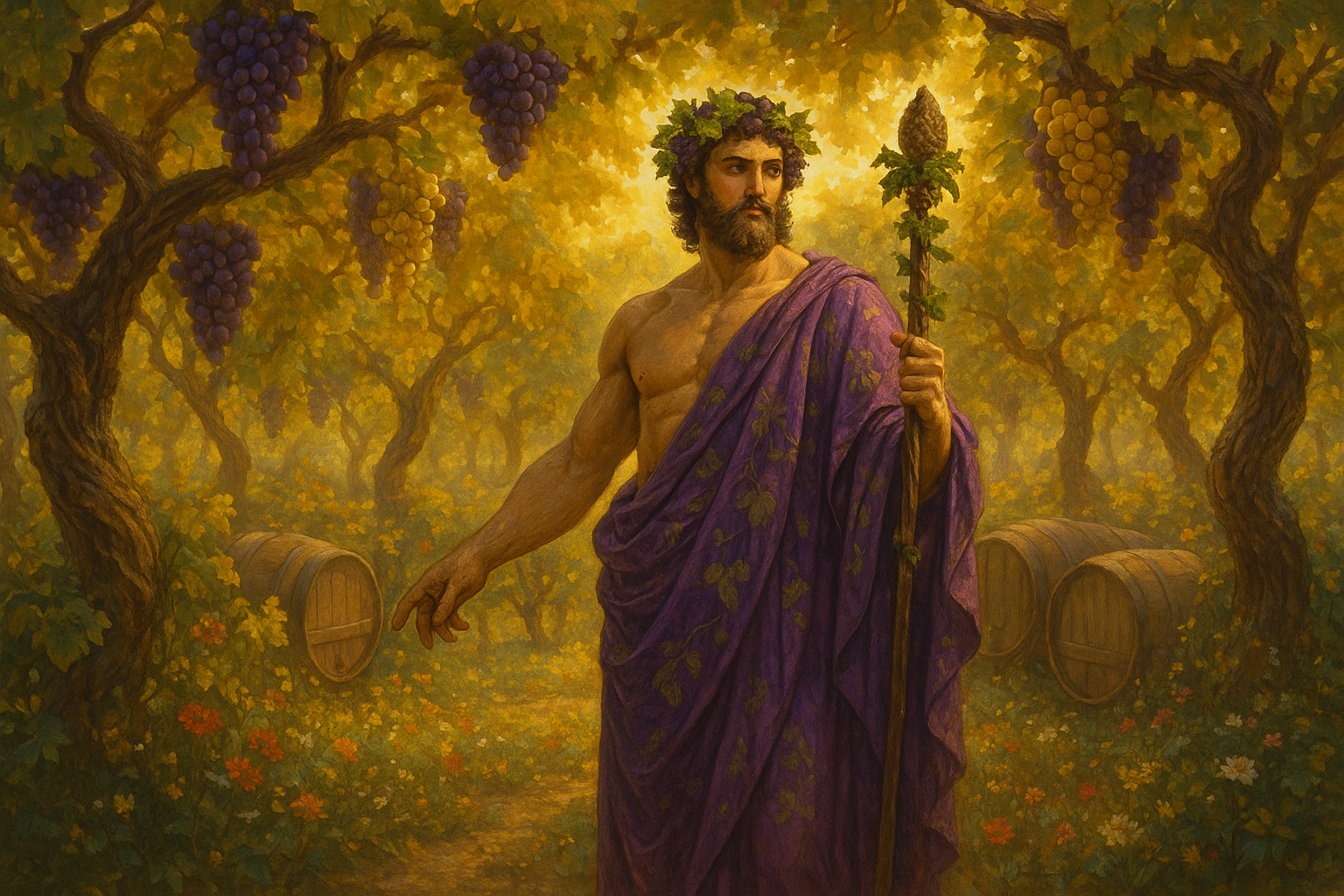
A majestic scene depicting Dionysus, the Greek god of wine and fertility, standing in a lush vineyard during the peak of harvest season, his powerful muscular form draped in flowing purple robes adorned with grape vine patterns. Golden sunlight filters through heavy clusters of ripe grapes hanging from ancient twisted vines, casting dappled shadows across the fertile earth below. The god holds a ornate thyrsus staff topped with pine cones and wrapped in ivy, while a crown of grape leaves and small purple grapes adorns his curly dark hair. Around him, the natural world pulses with divine energy - wine barrels rest among the vines, wild flowers bloom in vibrant colors, and the air shimmers with an otherworldly golden glow that suggests the mystical connection between the changing seasons and divine power. The composition captures the essence of autumn's abundance and the sacred relationship between nature's cycles and ancient Greek religious symbolism.

Far from a simple deity, Dionysus stands as a profound paradox, a god whose very essence challenged the ordered world of the Olympians and the rational thought prized by Greek philosophy. His compelling allure stemmed from his embodiment of life’s most potent, often contradictory, forces. The Duality: Divine Ecstasy vs. Terrifying Madness Dionysus was the … Read more