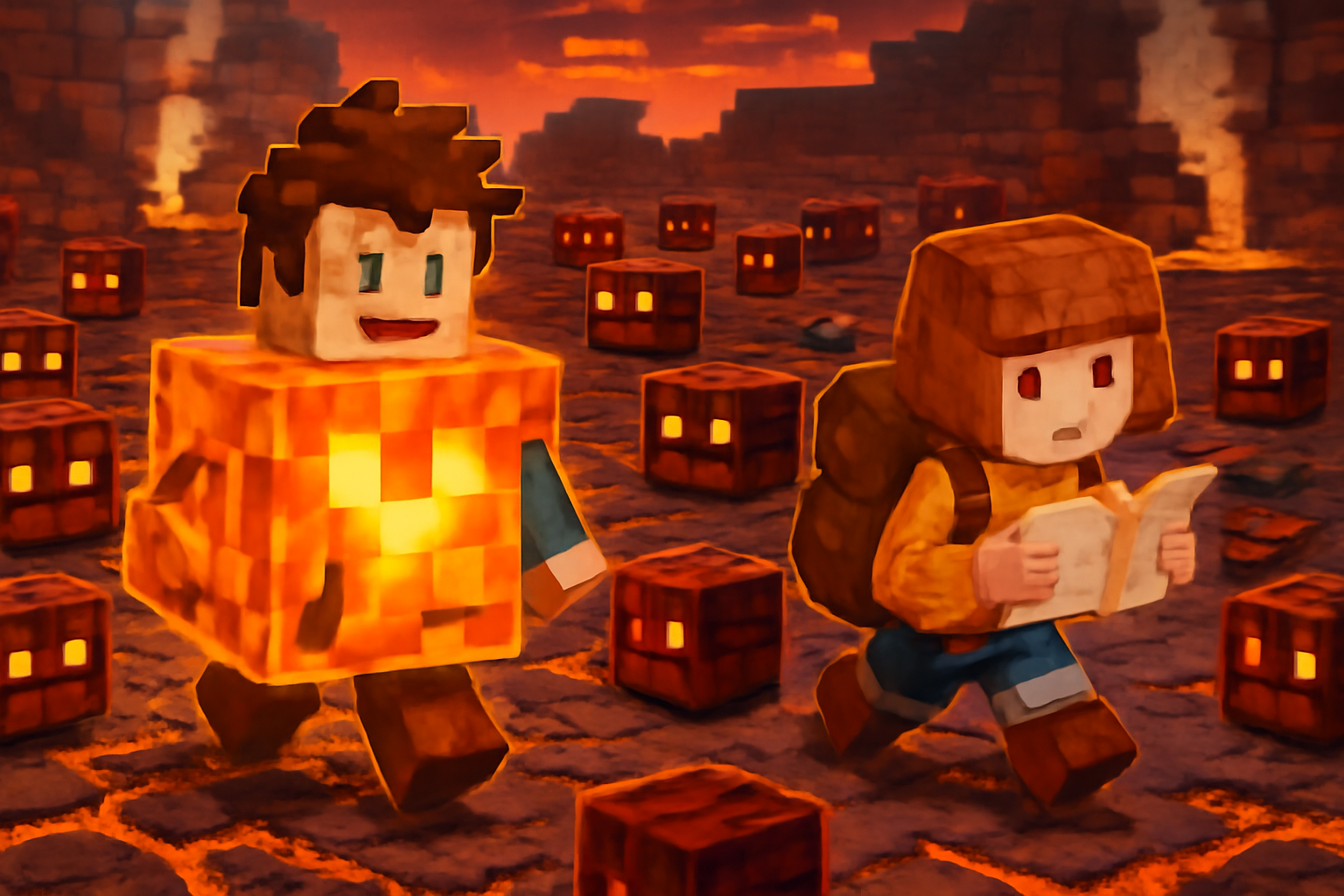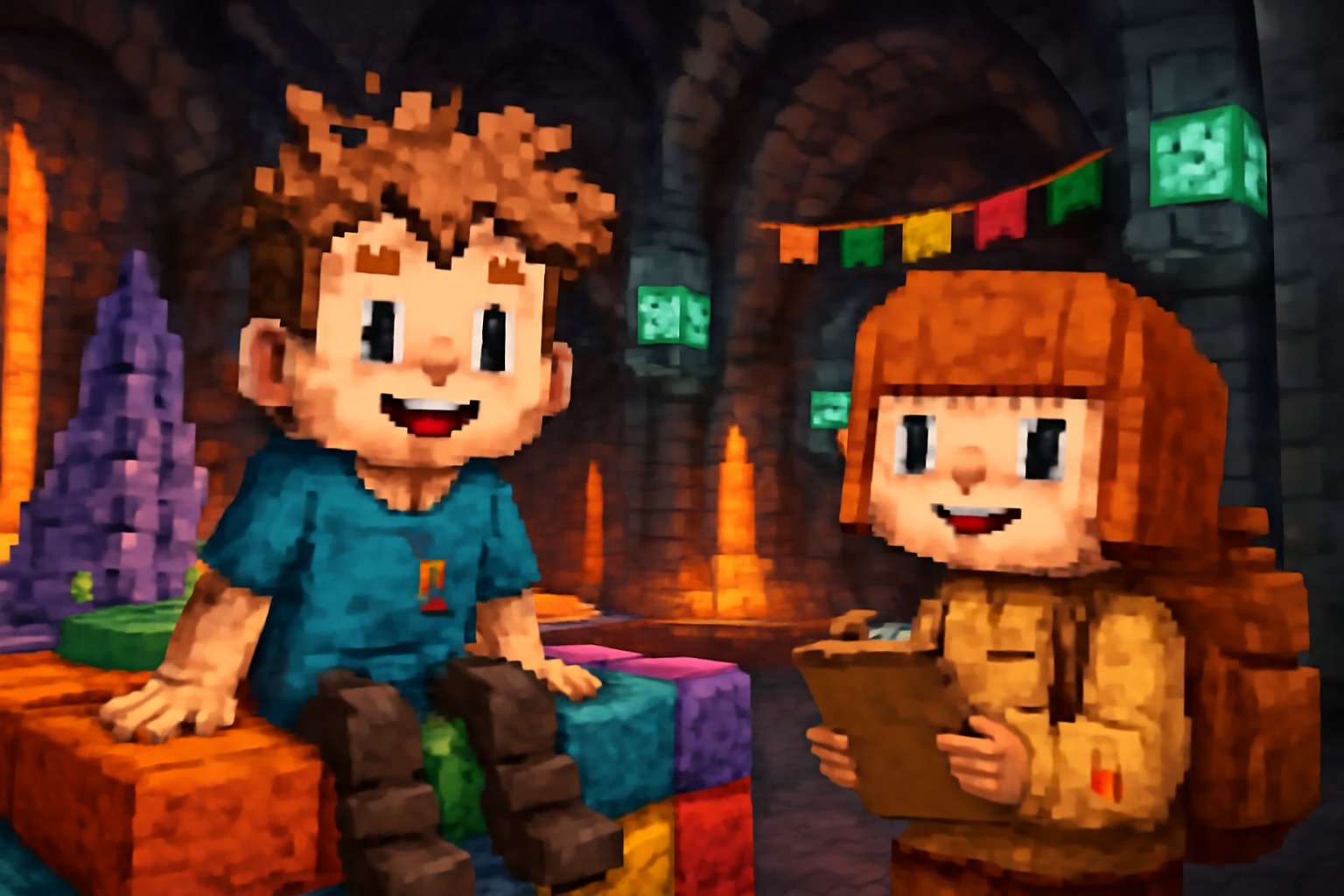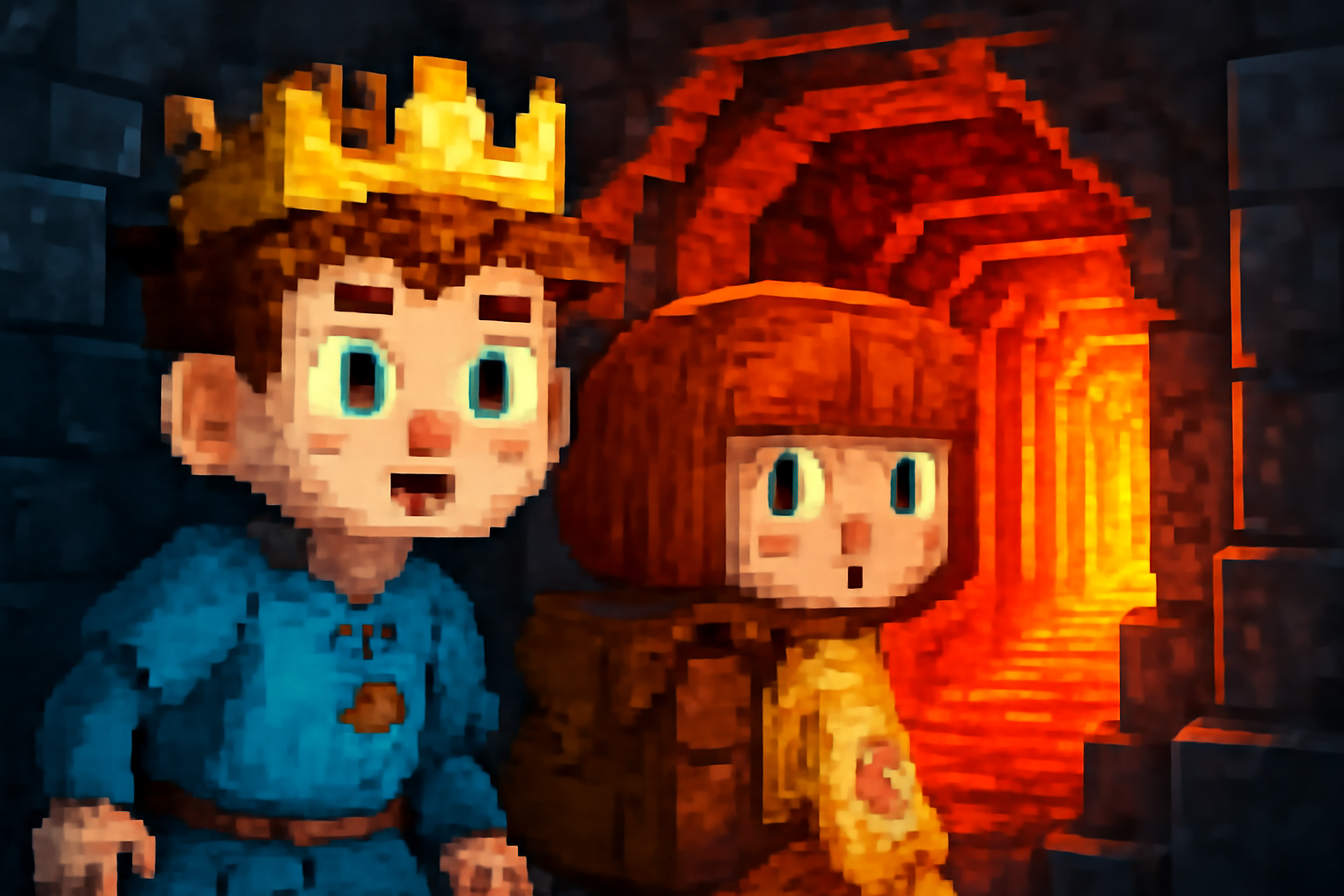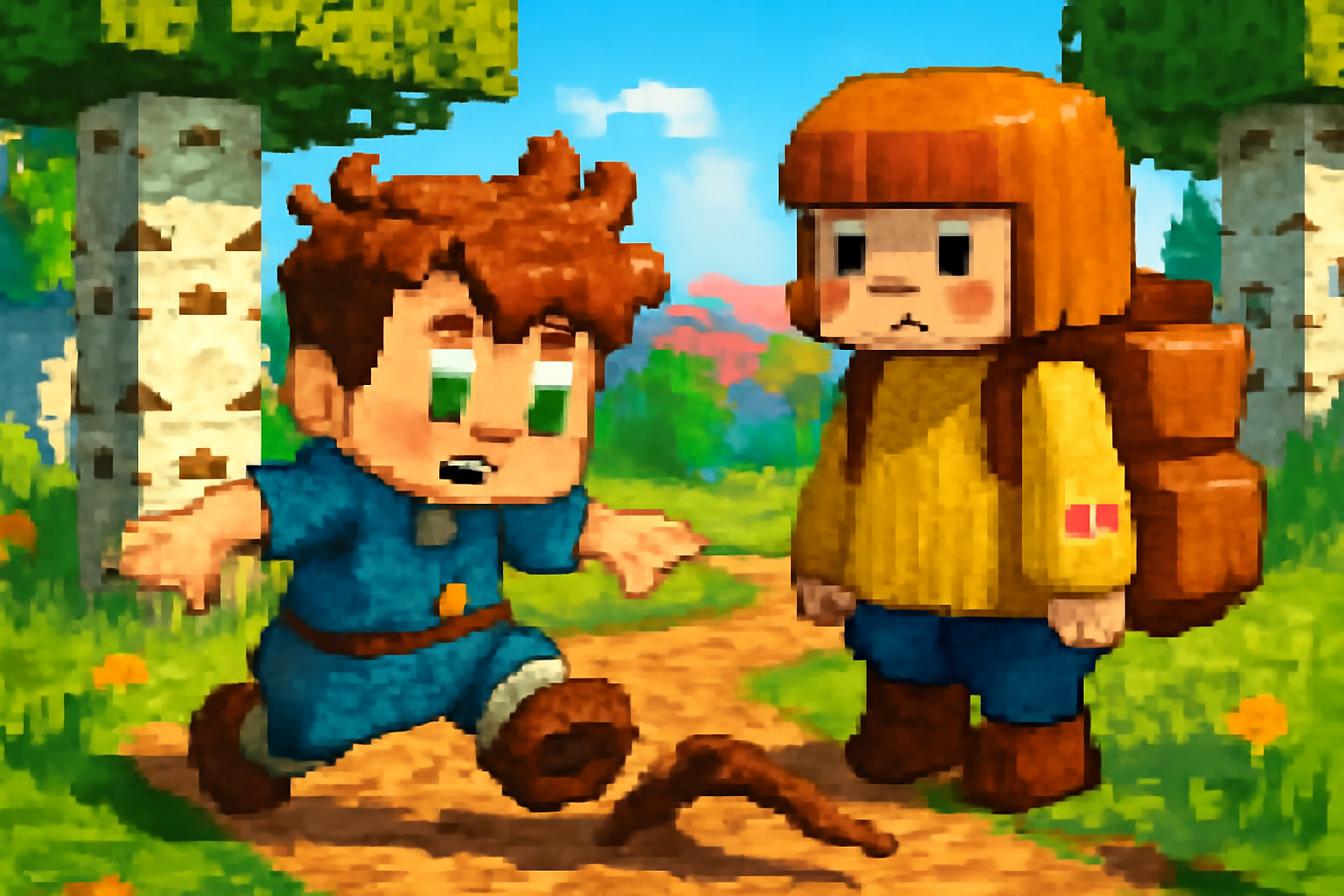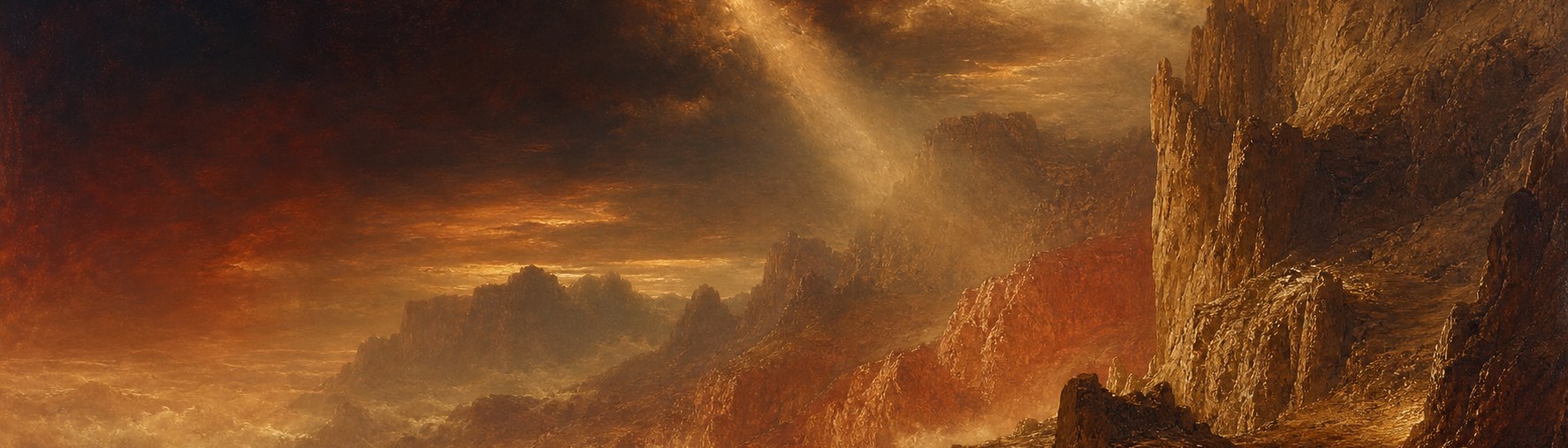
No mythological tradition is complete without its understanding of death and what comes after — and no aspect of a culture’s worldview tells you more about what they valued in life. The afterlife myths of any civilization are always, in some sense, a portrait of its highest ideals. That’s what makes a sky that refuses to wake up — gray, flat, drained of color — so viscerally loaded with meaning across nearly every mythological tradition humanity has ever produced: from the ashen fields of the Greek Asphodel Meadows to the dimming of the Norse heavens before Ragnarök, a world losing its light is never just weather, it’s a statement. When the color drains from a place like Rainbow Meadows — a landscape defined entirely by its vibrancy — the legendary imagination in all of us should immediately recognize that something cosmologically significant is either approaching or has already quietly begun. This chapter deserves to be read slowly, because if the old myths taught us anything, it’s that the moments just before the world changes forever almost always look, at first glance, like nothing much at all.
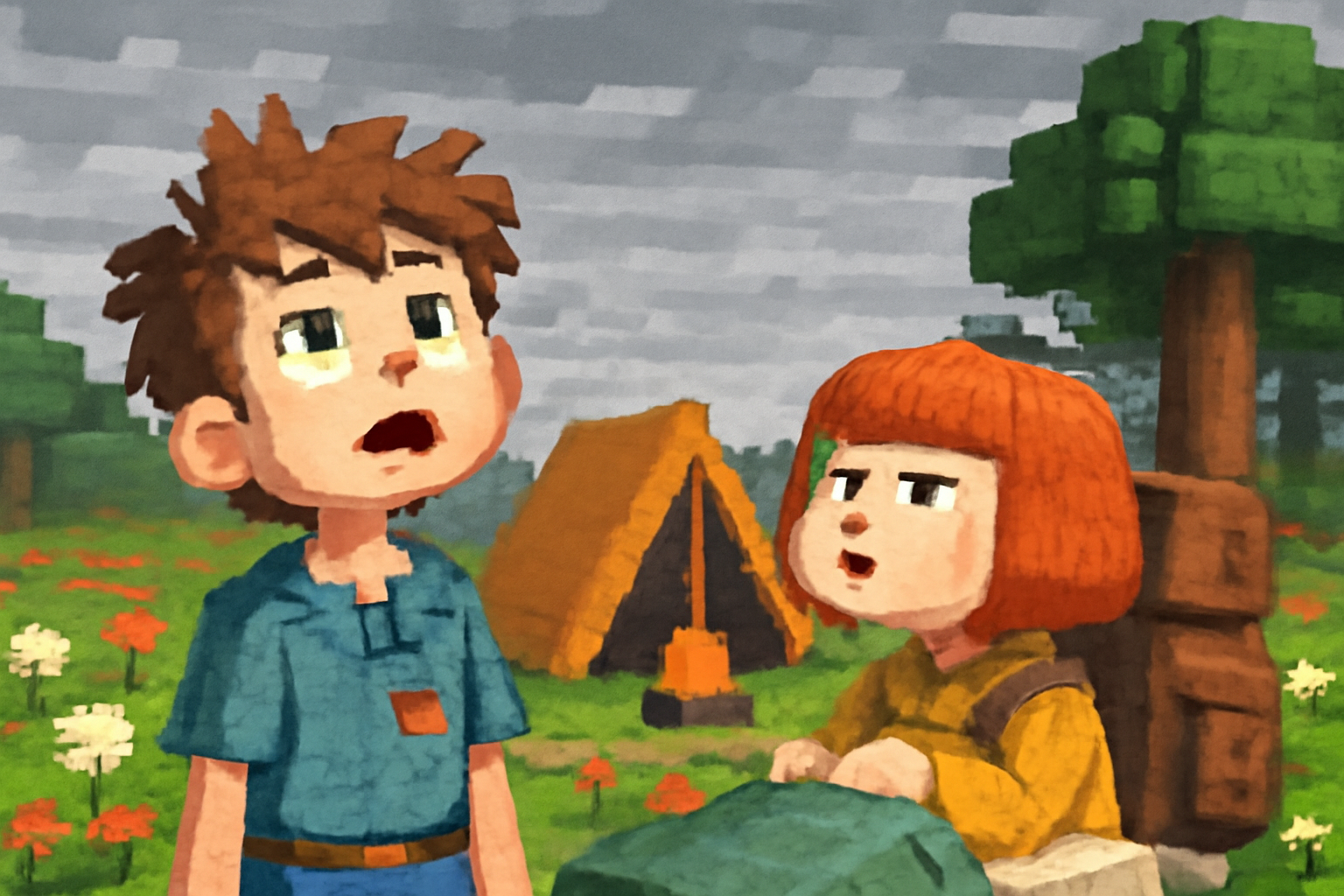
I blinked. I looked left. I looked right. I looked up again, just in case I’d missed something.
Nope. Still cardboard.
“Biscuit,” I said. “The sky is broken.”
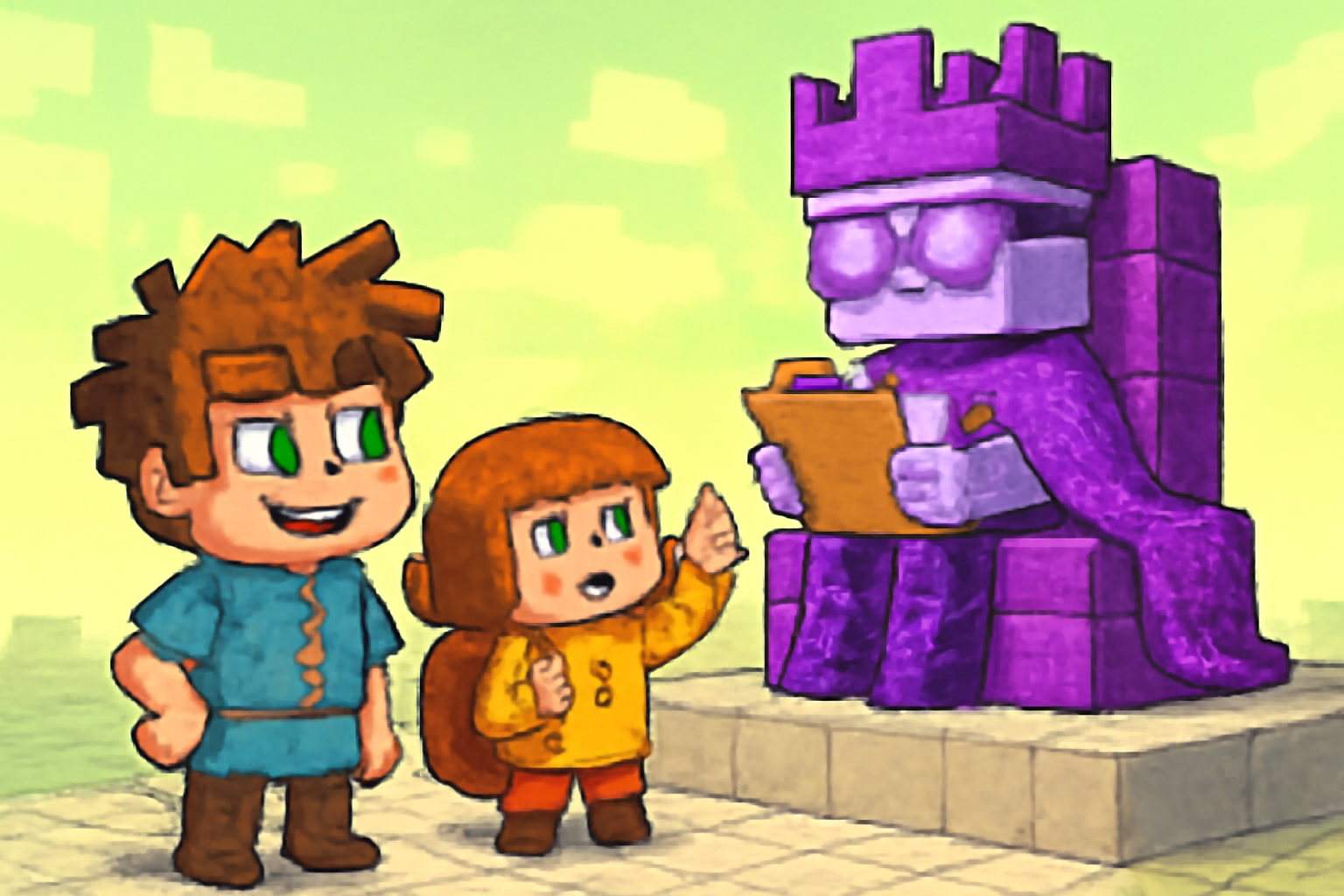
Biscuit was already sitting up in her bedroll, her copper bowl-cut hair perfectly neat on one side and completely sideways on the other, which was unusual for her. She was staring upward with an expression I recognized — the one where her nose twitched like a rabbit’s before a big sneeze.
“It’s not broken,” she said slowly. “It smells like old socks. And also…” She sniffed again, more deliberately. “Sadness. Coming from the north.”
I had learned, since our adventures in Rainbow Meadows and everything with Baron Blaze’s ridiculous cape, to take Biscuit’s nose very seriously indeed. If Biscuit said something smelled like old socks and sadness, something was definitely, horribly wrong.

This post contains affiliate links. As an Amazon Associate, I earn from qualifying purchases at no extra cost to you. If “The Sky Went Gray” has you wondering who’s actually in charge of all those storm clouds (spoiler: the Greeks had a LOT of opinions about that), then the Treasury of Greek Mythology: Classic Stories of Gods, Goddesses, Heroes & Monsters is exactly what you need on your shelf. National Geographic packed it with stunning artwork and the real stories behind the gods who threw those thunderbolts — it’s the kind of book you crack open for one myth and somehow lose two hours to.