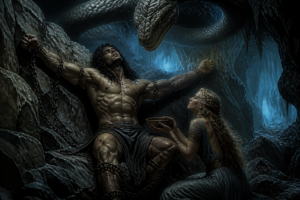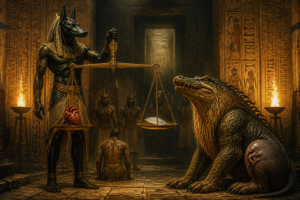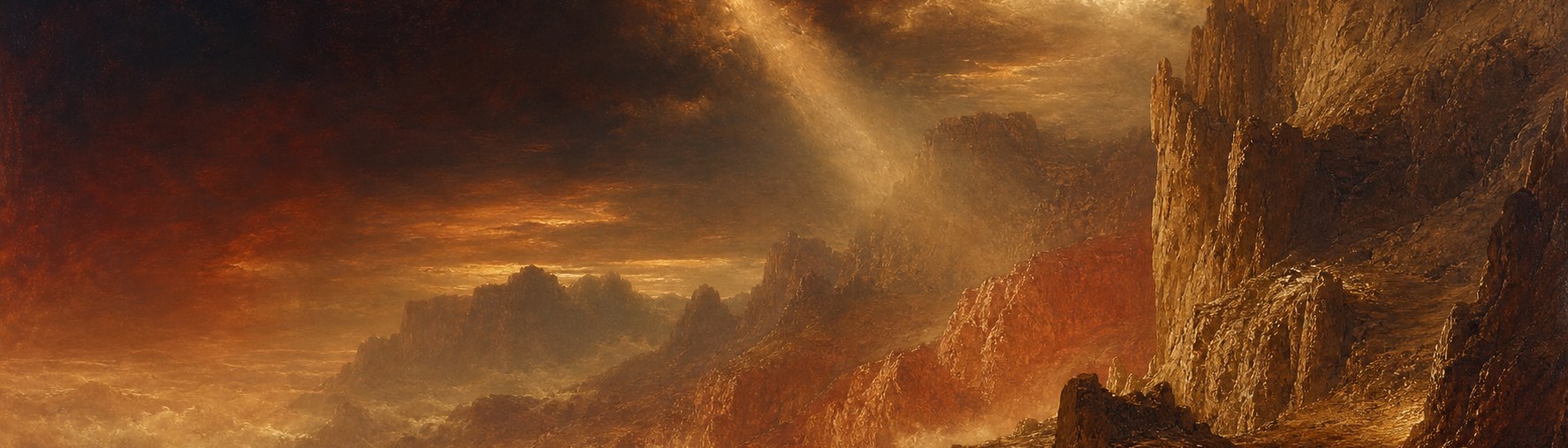
Deep in the vaulted lower corridors of the Magic Academy, behind a locked iron gate that most students never notice, rests a scroll so old its edges have turned the colour of ash. Young Ollie stumbled upon it on a rainy Thursday, and what he read rewrote every lesson he had ever sat through. The Starveil history Legendaria’s archivists recorded on that ancient parchment was never meant for a schoolboy’s eyes — and for very good reason. It told the truth about how the legendary kingdom was born, who truly built it, and what impossible bargain made it all possible.

The Founding of Starveil: Separating Legend from Truth
Most scholars agree that Starveil emerged sometime during what historians call the Luminous Age, though the exact circumstances remained obscured for centuries beneath layers of romanticized storytelling. The official Academy histories taught that the kingdom rose through the vision of a single great leader—a wise monarch who united warring provinces through diplomacy and virtue. But the scroll that Ollie discovered told a far more complex and troubling story.
According to the archival records, Starveil’s true foundation involved not one founder, but three: a mortal nobleman, an ancient magical entity bound by oath, and a common person whose name was deliberately erased from subsequent histories. Their collaboration wasn’t born from noble ideals alone, but from desperation. The lands that would become Starveil were dying—crops failed year after year, livestock perished, and the population faced starvation within a generation.
The Impossible Bargain
This is where the scroll’s revelations become truly extraordinary. The founders made a pact with forces that the Academy’s current instructors would barely acknowledge exists. In exchange for transforming Starveil’s barren lands into the most fertile kingdom in the known world, they agreed to a condition that would shape the nation’s destiny for millennia: a cyclical price paid once every generation, collected in ways that the founding documents deliberately obscured.
The scroll doesn’t explicitly state what this price entailed, which itself became part of the mystery that consumed Ollie’s investigation. But scattered references to “the Quiet Years,” periods where no records were kept and entire cohorts of young people seemed to vanish from official genealogies, suggest something far darker than simple taxation or military service.
How Starveil’s Prosperity Became Its Curse
What makes this history so compelling is the paradox it creates. Starveil became legendary precisely because of what the founders had purchased with their bargain. Within three generations, the kingdom’s harvests were the envy of the known world. Its cities grew wealthy beyond measure. Its art, architecture, and magical traditions became the standard others aspired to match. But all of it—every golden spire, every philosopher’s achievement, every child born into comfort—was built on a foundation that required periodic, terrible sacrifice.
The archivists who preserved this scroll faced an impossible ethical choice: expose the truth and shatter the kingdom’s self-image, or protect the comfortable lie that held society together? They chose silence, but not destruction. Instead, they locked the scroll away where only those destined to find it might stumble upon the knowledge. It’s a pattern we see throughout history: uncomfortable truths hidden in plain sight, waiting for the right person to ask the difficult questions.
The Worldbuilding Toolkit That Matches Starveil’s Complexity
If you’re inspired by the hidden depths and layered history revealed in Starveil’s founding, you’ll want a companion resource that helps you build your own legendary kingdoms with the same rigor. This comprehensive RPG sourcebook walks you through the entire process of creating interconnected worlds, magic systems, and the kind of authoritative lore that makes readers question what they thought they knew.
What works
- Dedicated chapters on constructing believable historical timelines and mythologies that feel as real as Starveil’s archived truth
- Step-by-step character creation and magic system design that gives your world the depth needed to surprise even your most attentive readers
- Practical templates for campaign and world documentation that help you organize hidden lore, lost histories, and revelation moments
What doesn’t
- If you’re brand new to tabletop RPGs, this assumes familiarity with d20 mechanics and core RPG terminology—it’s built for people ready to design, not learn the basics
- Geared toward game masters and world architects rather than casual readers; you’ll get the most from it if you’re actively building your own world
This is for the worldbuilder who’s ready to go deep—who wants to understand the mechanics behind stories like Starveil’s. The Ultimate d20 RPG Systems: Create Your Own Tabletop Adventures — A Comprehensive Guide to World-Building, Character Creation, Magic Systems, and More
About This Article

Written by Elias Blackwood. Elias Blackwood has spent 25 years as an obsessive collector of world mythology and folklore, from Greek and Norse epics to Japanese yokai and West African trickster tales — entirely self-taught, for the love of it. His reading draws on comparative mythology, cultural anthropology, and a personal library of translations most people have never heard of. More about this site.
Verify this against a primary source
Specifics change, and your situation may differ from the one described here. These are the authorities worth checking directly:
- Theoi Project — Greek mythology texts with primary source citations
- Perseus Digital Library — classical texts in the original and in translation
- Encyclopaedia Britannica — edited reference for figures and traditions