The Cult of Dionysus: Ancient Greek Rites and Festivals
The Revolutionary Nature of Dionysian Worship
The Dionysiac mysteries represented a radical departure from traditional Greek religious practices, offering participants an intoxicating blend of spiritual transcendence and physical liberation. Unlike the formal ceremonies conducted in marble temples for gods like Apollo or Athena, Dionysian worship took place in:
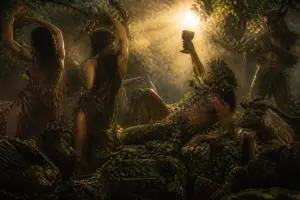
- Natural settings such as mountainsides, forests, and secluded groves
- Underground sanctuaries where initiates could practice away from public scrutiny
- Private homes during intimate gathering called thiasoi
The Ecstatic Experience: More Than Just Wine
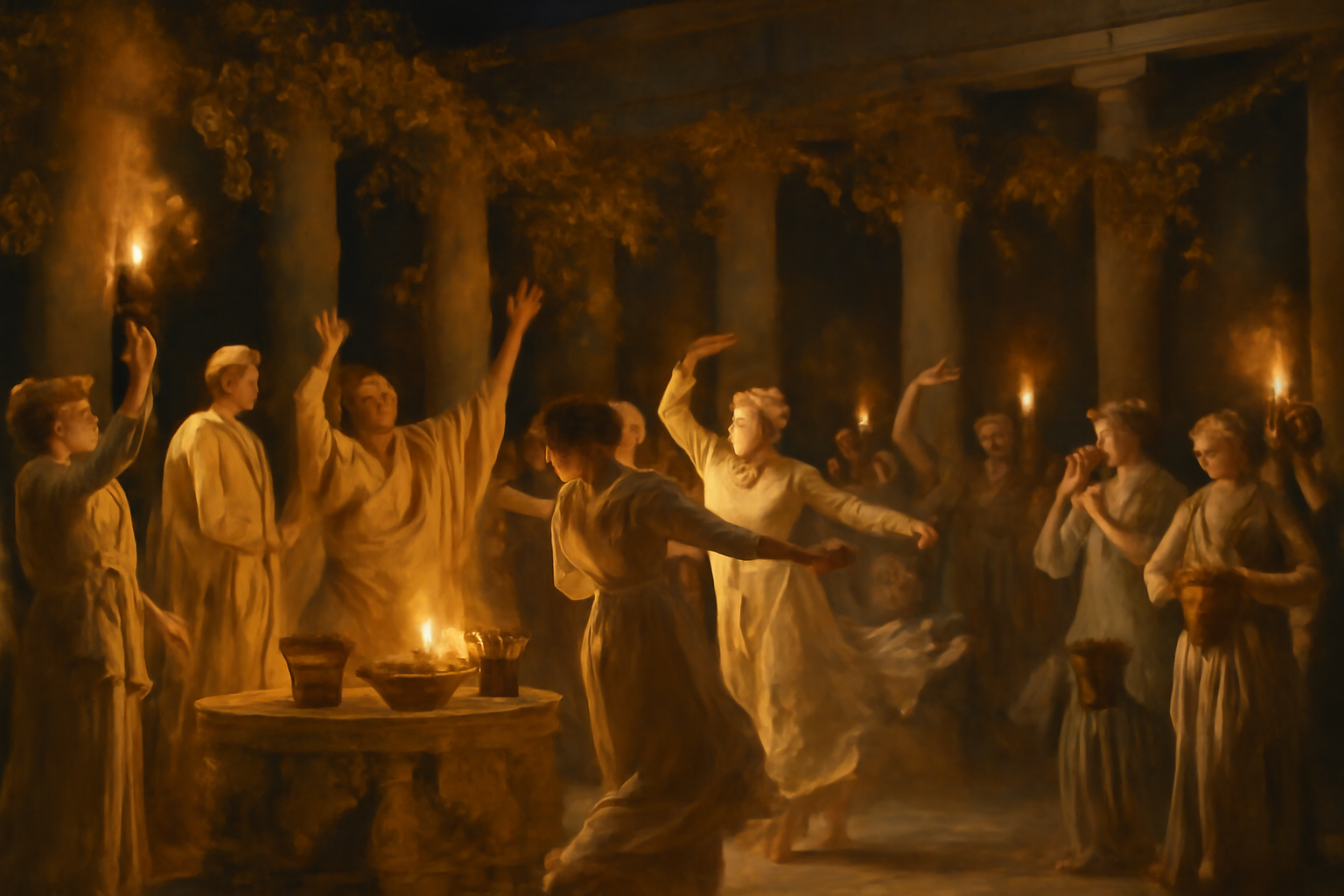
The ecstatic rituals at the heart of Dionysian worship involved far more than simple intoxication. Participants, known as maenads (female followers) and satyrs (male devotees), engaged in:
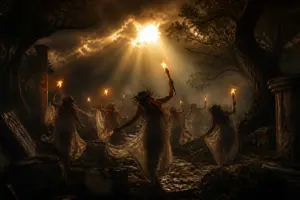
- Ritualistic dancing that could last for hours, designed to induce trance-like states
- Consumption of wine mixed with herbs that heightened spiritual awareness
- Frenzied celebrations including the handling of live snakes and wild animals
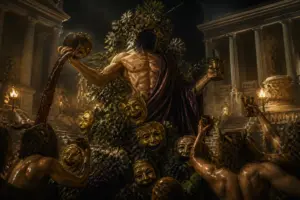
- Sacred drama performances that reenacted the god’s death and resurrection
These practices served as a gateway to divine possession, allowing worshippers to temporarily merge with the divine essence of Dionysus himself.
Social Disruption and Religious Innovation
The Teen-Friendly Guide to Understanding Dionysus Beyond the Wine God Stereotype
If this post has challenged what you thought you knew about Dionysian worship—that it was chaotic, exclusively about intoxication, or confined to bacchanals—you’re ready for a resource that digs deeper into how ancient Greek teens would have encountered these mysteries firsthand. This Chronicle offers accessible retellings grounded in primary sources, helping you build a more accurate picture of Dionysus’s role in Greek religious life.
What works
- Written specifically for teen readers without oversimplifying the spiritual and psychological dimensions of ecstatic worship
- Connects Dionysus to broader Greek culture and religious practice, not just isolated myths
- Grounded in ancient sources, so you’re learning from the same material scholars use to reconstruct these rites
What doesn’t
- If you’re looking for deep analysis of the Orphic mysteries or esoteric mystery-cult theology, you’ll need to move on to academic sources after this
- Doesn’t include original Greek text or extensive primary source excerpts—it’s interpretation, not translation
This book works best if you want to solidify your understanding of how Dionysus fit into lived Greek religion, rather than chase scholarly debates about mystery-cult initiation. If you’re ready to move beyond general mythology surveys, Greek Mythology Book for Teens: A Chronicle of Ancient Tales is the natural next step.
About This Article

Written by Elias Blackwood. Elias Blackwood has spent 25 years as an obsessive collector of world mythology and folklore, from Greek and Norse epics to Japanese yokai and West African trickster tales — entirely self-taught, for the love of it. His reading draws on comparative mythology, cultural anthropology, and a personal library of translations most people have never heard of. More about this site.
Verify this against a primary source
Specifics change, and your situation may differ from the one described here. These are the authorities worth checking directly:
- Theoi Project — Greek mythology texts with primary source citations
- Perseus Digital Library — classical texts in the original and in translation
- Encyclopaedia Britannica — edited reference for figures and traditions