Maenad Rituals: The Wild Rites of Dionysus’s Female Followers

Maenad Rituals: The Wild Rites of Dionysus’s Female Followers

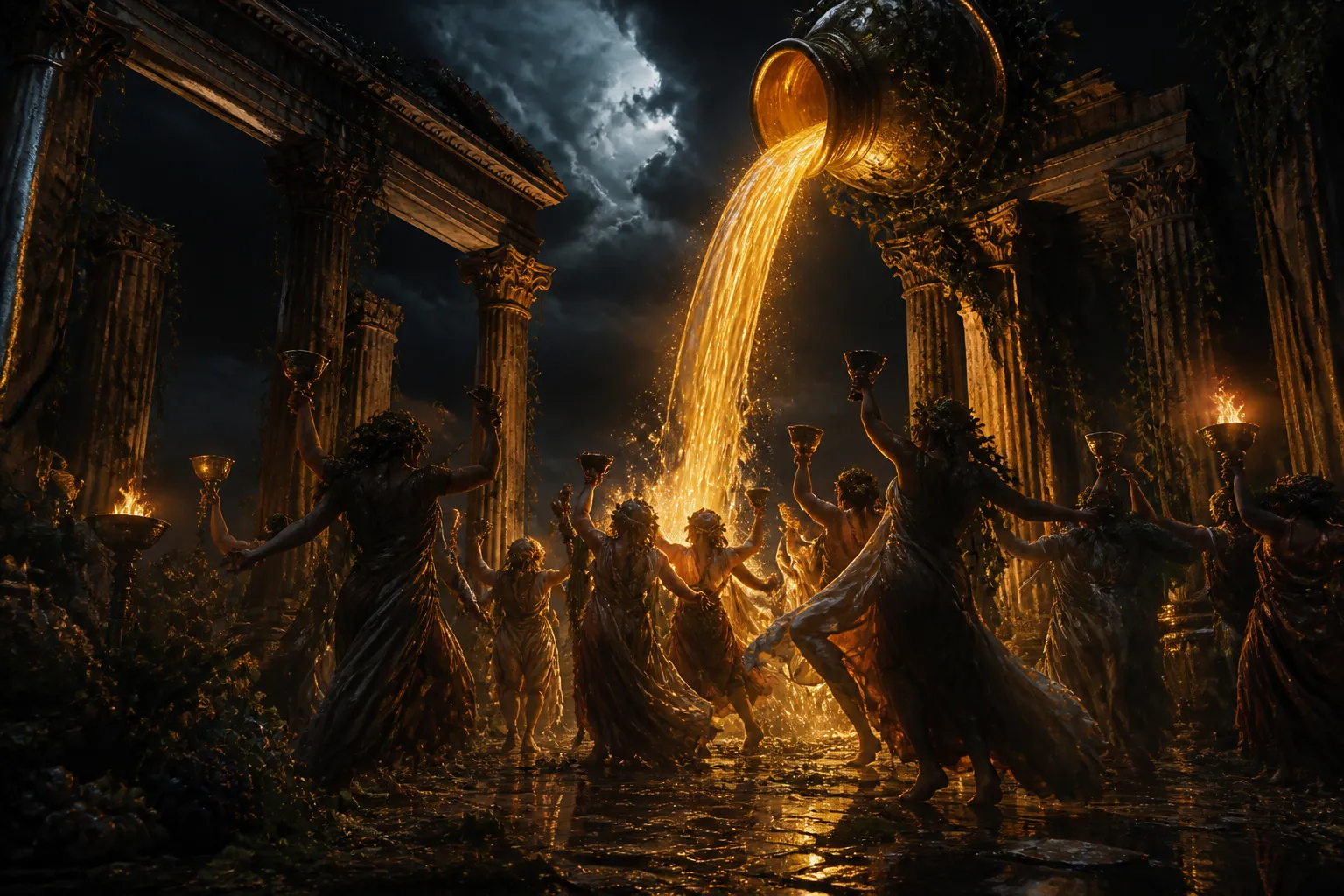
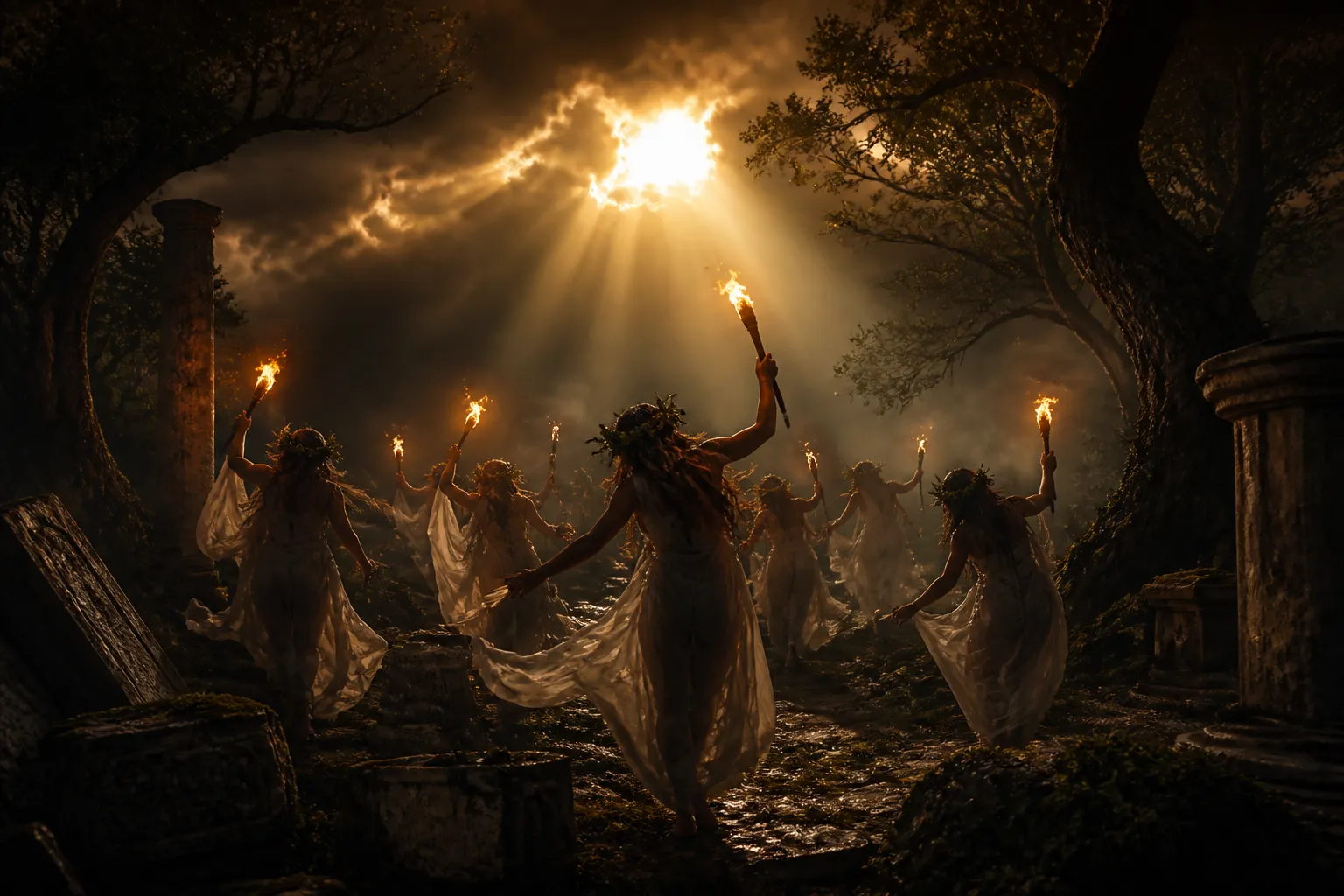
Of all the figures in Greek mythology, few are as simultaneously fascinating and disturbing as the maenads — the ecstatic female followers of Dionysus who appear throughout ancient art, literature, and religious record as women in the grip of divine madness, dancing on mountaintops, tearing animals apart with their bare hands, and immune to pain … Read more

Dionysus and Grapes: Sacred Plants and Flowers of the Wine God

Dionysus and Grapes: Sacred Plants and Flowers of the Wine God

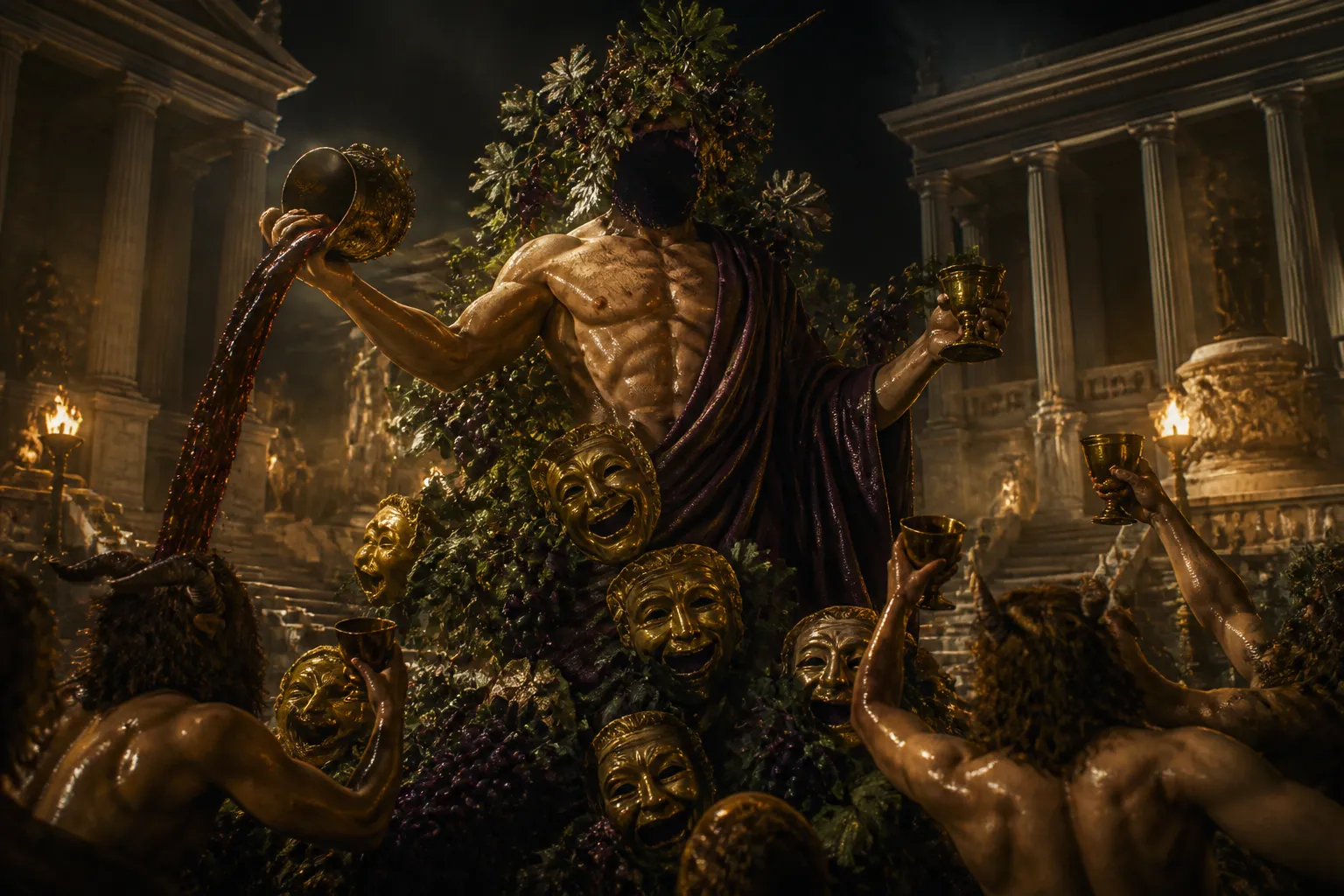
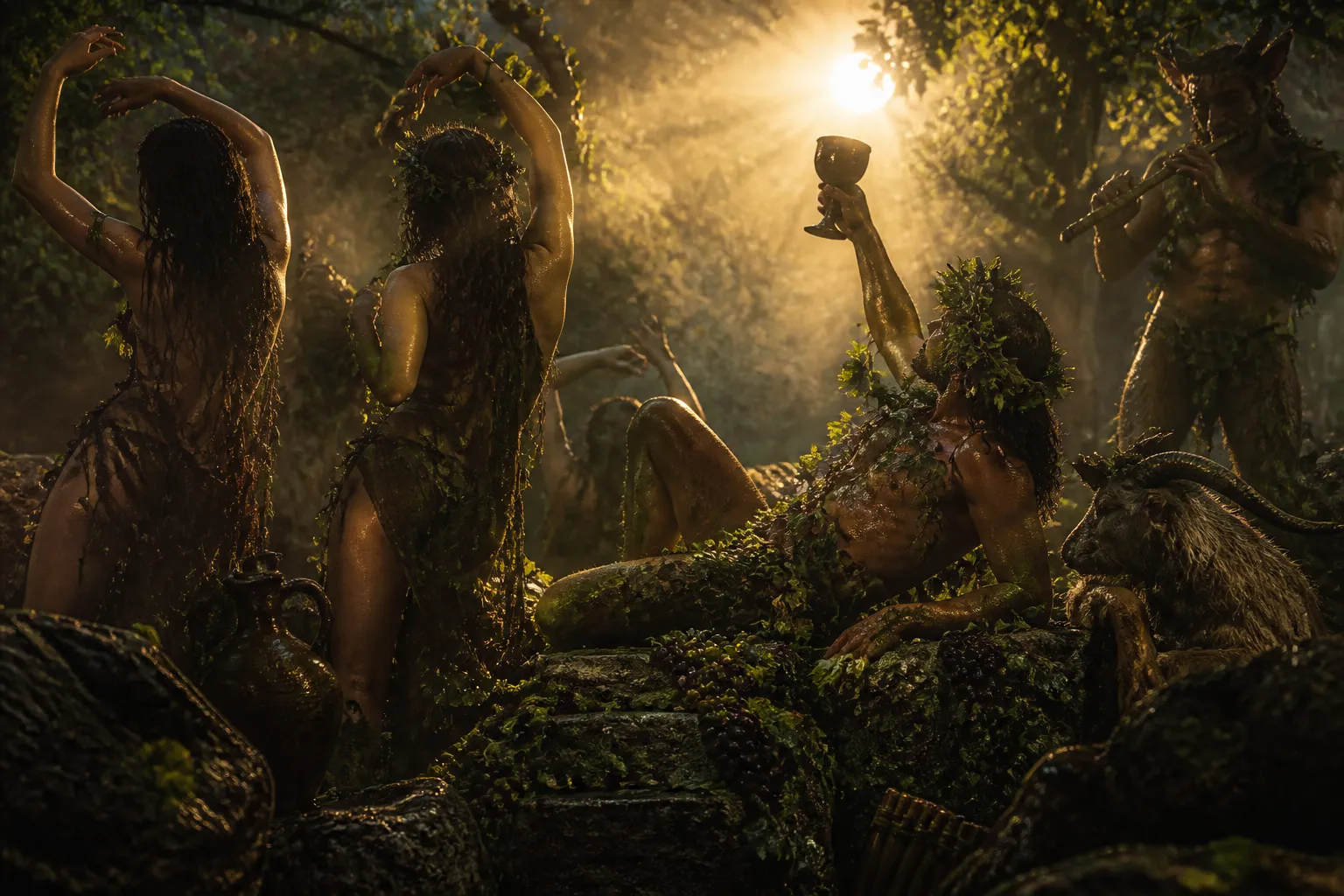
Among the gods of the Greek pantheon, Dionysus had one of the richest relationships with the plant world. While Zeus commanded thunder and Poseidon ruled the sea, Dionysus’s power was expressed through growing things — through the vine, the ivy, the pine, the fig — the fertile, intoxicating, and sometimes dangerous bounty of the earth. … Read more

Anubis and the Weighing of the Heart: Egypt’s Judgment of the Dead

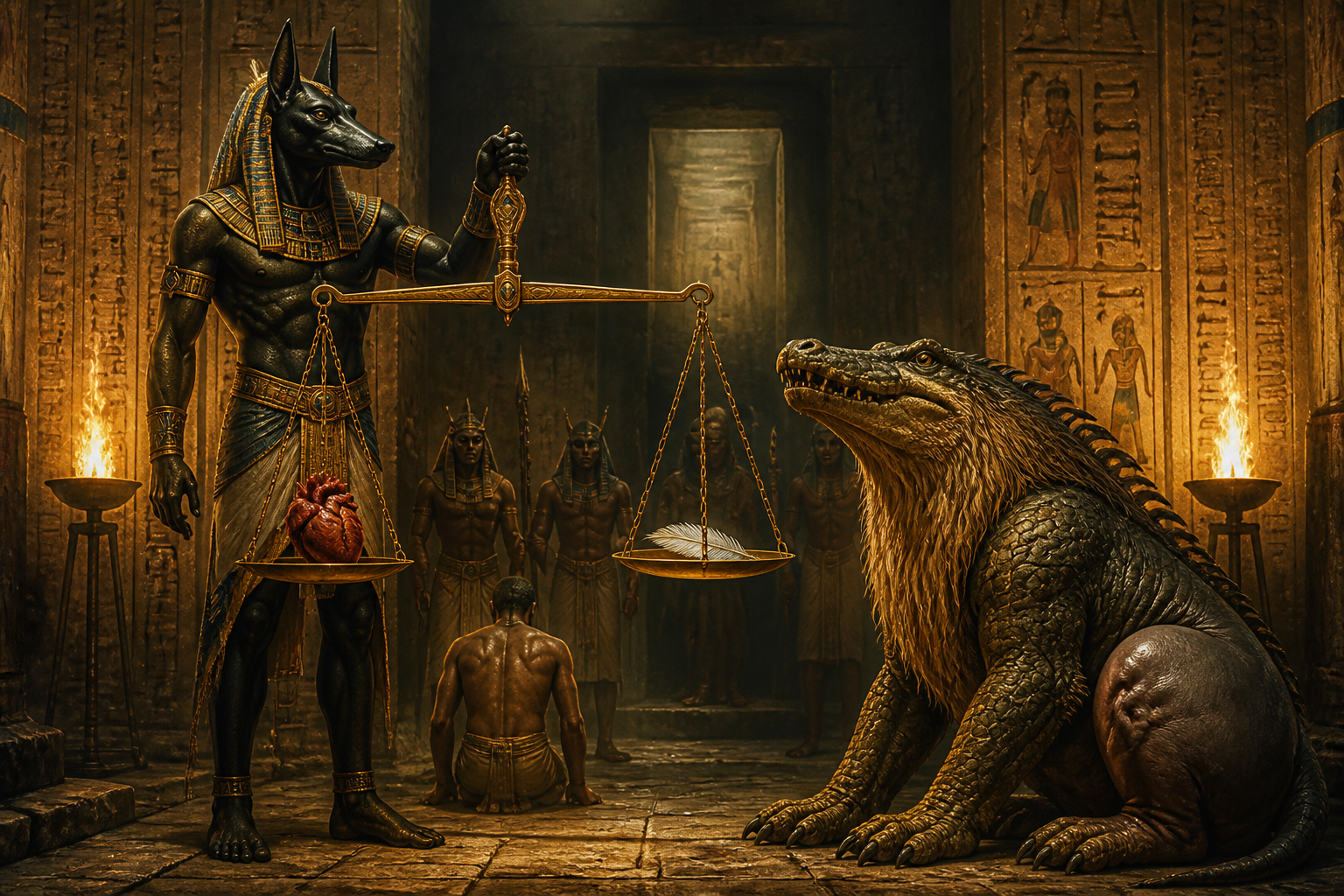
Anubis and the Weighing of the Heart: Egypt's Judgment of the Dead

Anubis and the Weighing of the Heart represent the heart of ancient Egyptian afterlife belief. This ceremony—called the “psychostasia” or judgment of the soul—determined whether a deceased person would achieve eternal life or face obliteration. Anubis, the jackal-headed god of mummification and the dead, presided over this cosmic trial. Understanding this ritual reveals why Egyptians … Read more

Loki Bound: The Punishment That Waits for Ragnarok

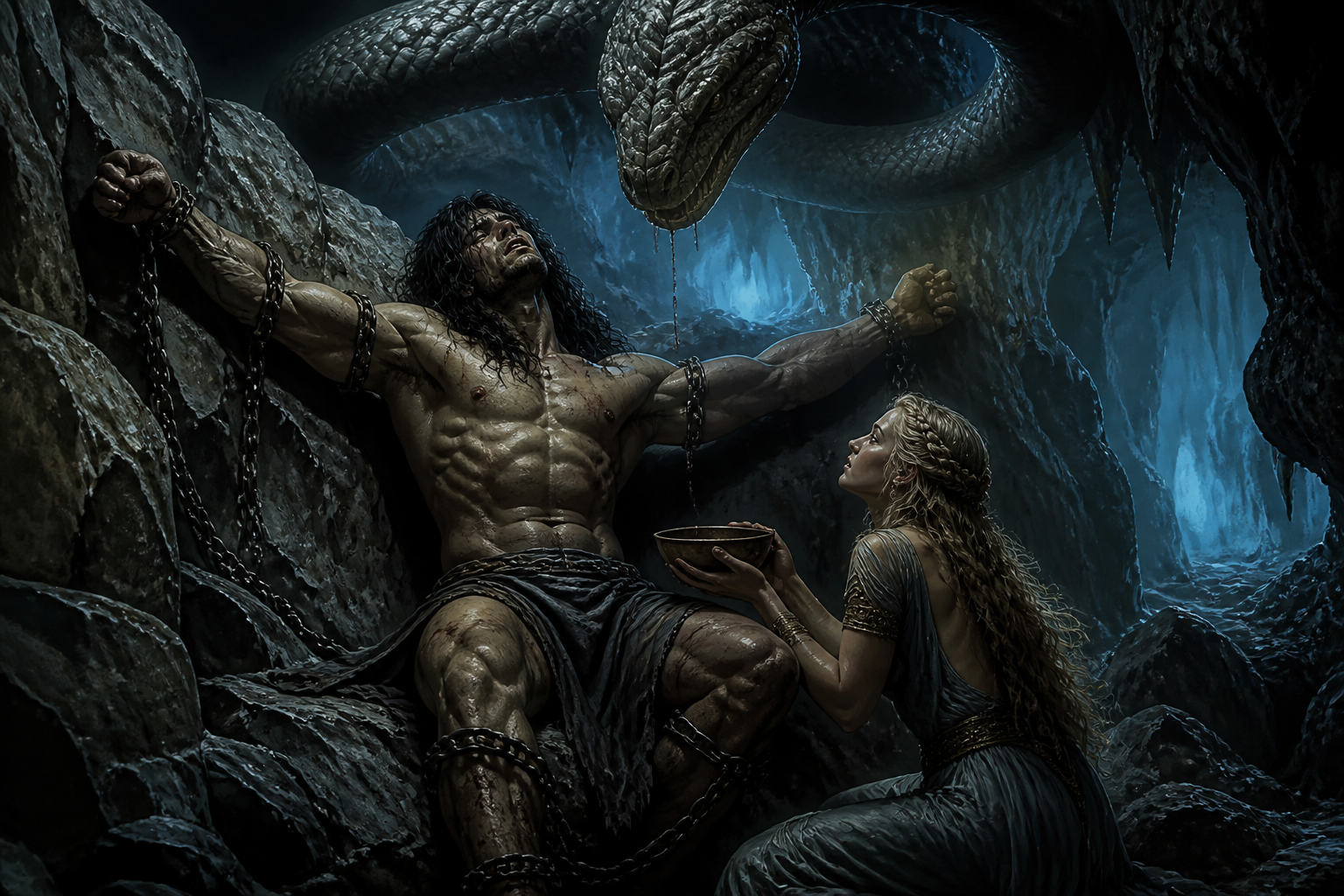
Loki Bound: The Punishment That Waits for Ragnarok

Loki’s bound punishment stands as one of Norse mythology’s most visceral and unsettling punishments—not a final damnation, but a temporary torment with an apocalyptic expiration date. After engineering the death of Baldur the Beautiful and then mocking the gods relentlessly at their feast, Loki faced capture, binding with the entrails of his own son, and … Read more

The Morrigan: Ireland’s Shapeshifting Goddess of War and Fate

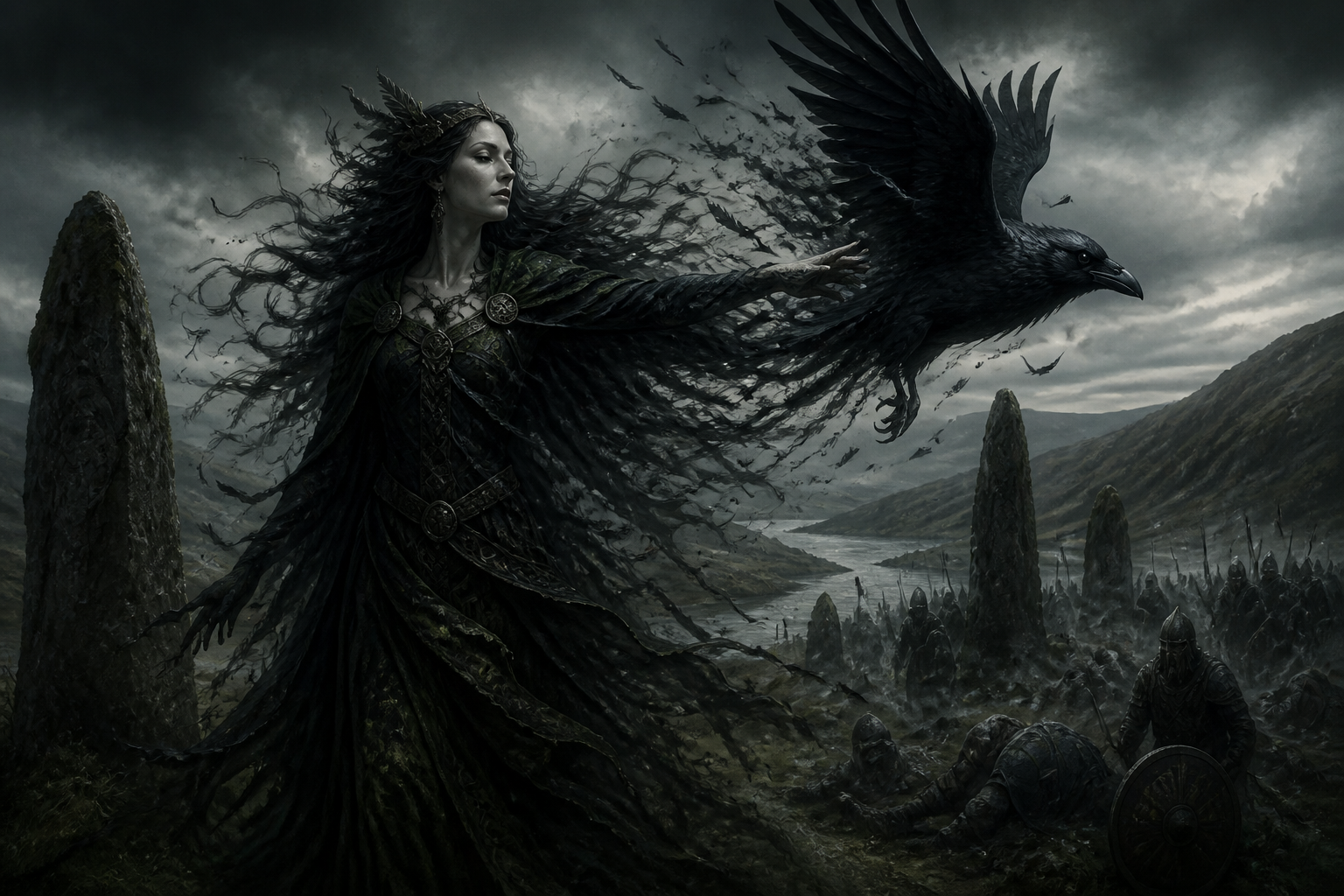
The Morrigan: Ireland's Shapeshifting Goddess of War and Fate

The Morrigan goddess stands as one of Celtic mythology’s most enigmatic and terrifying figures. Often described as a triple deity—or three aspects of a single, shape-shifting being—she embodied war, death, fate, and the sovereignty of the land itself. Her name possibly derives from Old Irish *Mór-Ríghan*, meaning “Great Queen,” though some scholars propose “Phantom Queen.” … Read more

Persephone’s Descent: How One Goddess Explained the Seasons

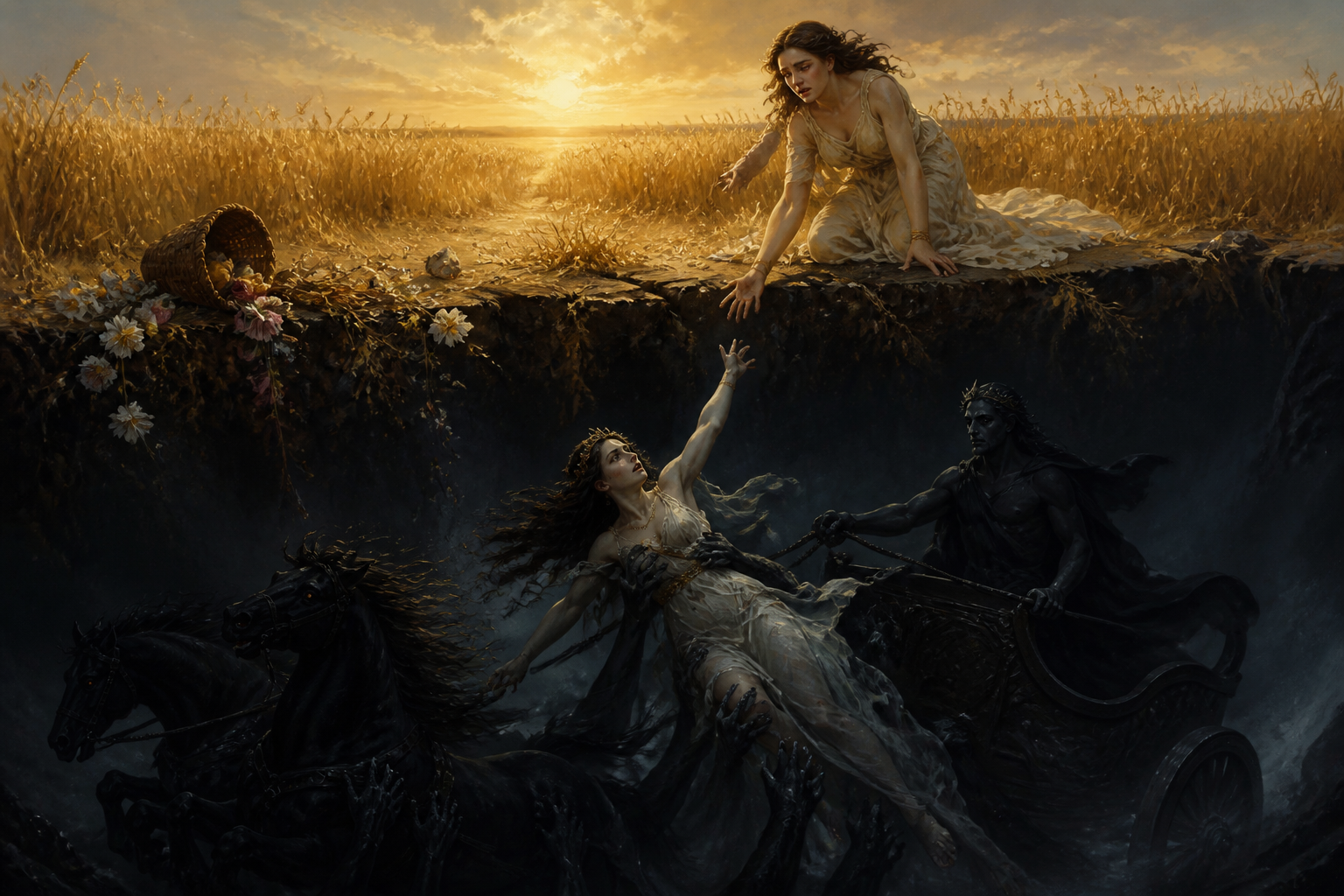
Persephone's Descent: How One Goddess Explained the Seasons

The Persephone myth seasons cycle stands at the heart of ancient Greek religious thought. It explained why winter comes, why spring returns, and why the earth itself grieves and rejoices. At its core lies a story of abduction, divine compromise, and a daughter who becomes queen of the dead—yet returns each year to bring the … Read more

Odin’s Eye and Odin’s Wound: What the All-Father Sacrificed for Wisdom

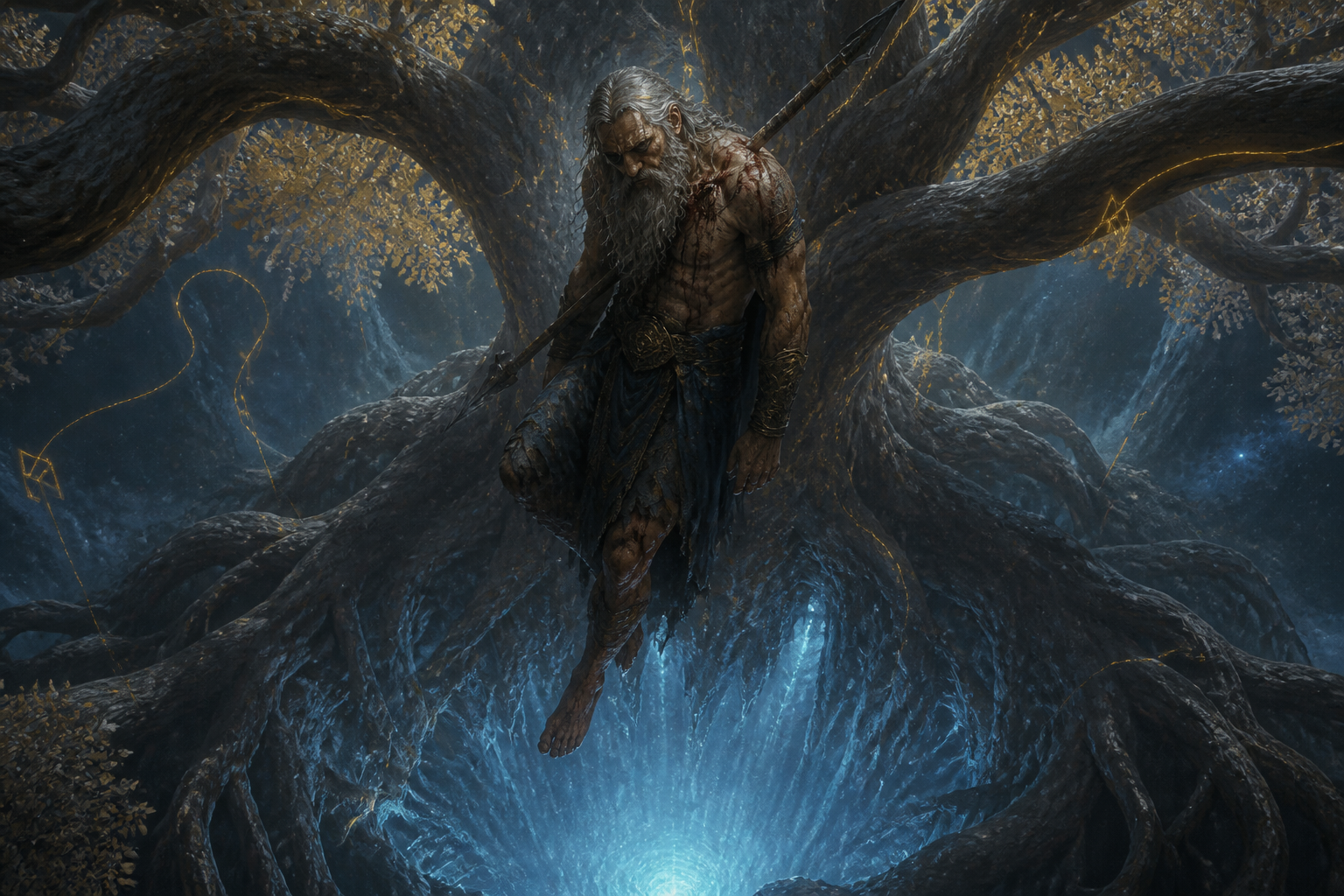
Odin's Eye and Odin's Wound: What the All-Father Sacrificed for Wisdom

Among the Norse gods, Odin stands apart. Thor embodies strength. Freyr represents fertility and peace. But Odin’s entire character revolves around a single, driving obsession: the relentless pursuit of wisdom, no matter what the cost. He is a god willing to mutilate himself, starve himself, and risk his life—again and again—for knowledge that no one … Read more